





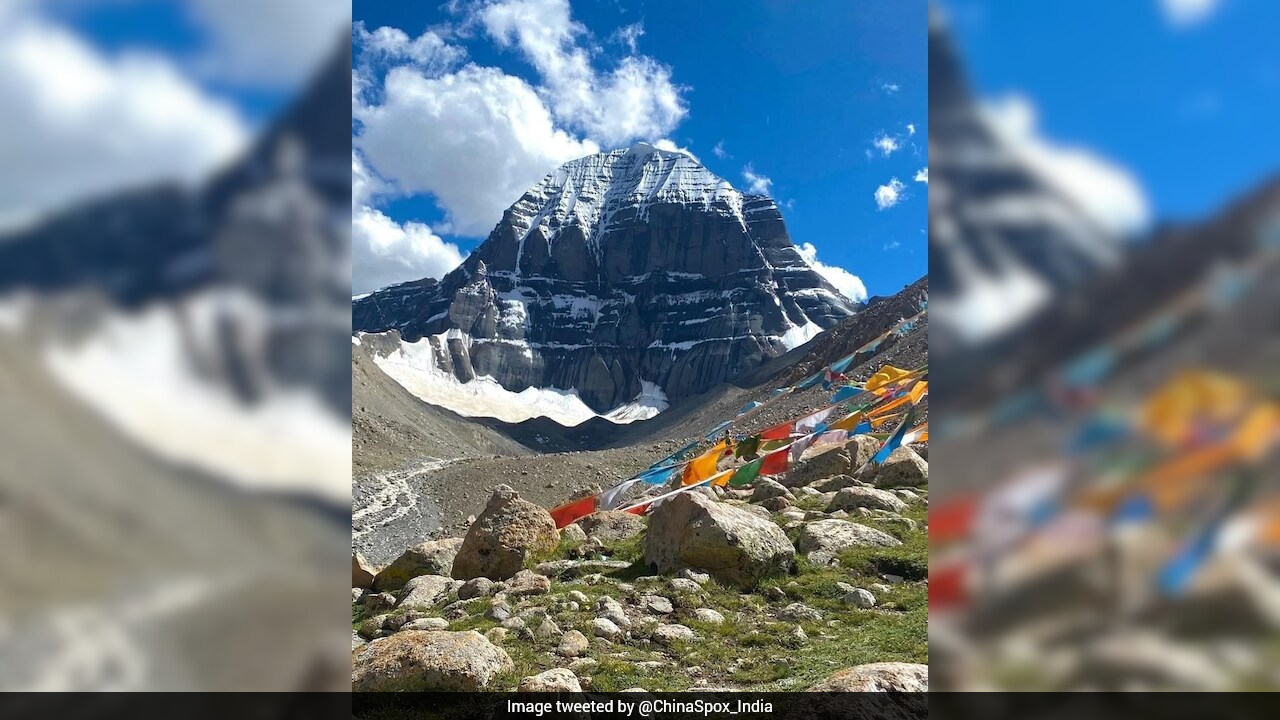
The Kailash Mansarovar Yatra has once again made headlines after nearly 400 pilgrims, including at least 108 Indians, went missing following devastating flash floods in Nepal's Rasuwa district near the Tibet border. The floodwater came from the Tibetan side of the border, causing extensive damage and washing away several villages in Nepal, according to news agency AFP.
The floods destroyed roads, bridges, and communication links on one of the key routes used by pilgrims travelling to Mount Kailash and Lake Mansarovar. Rescue operations are underway, while India has also extended assistance to Nepal.
What is the Kailash Mansarovar Yatra?
Kailash Mansarovar Yatra is one of the holiest pilgrimages for Hindus, Buddhists, Jains, and followers of the Bon faith. It takes devotees to Mount Kailash (6,638 metres) and Lake Mansarovar in Tibet, China. Hindus believe Mount Kailash is the abode of Lord Shiva and Goddess Parvati, while Lake Mansarovar is considered sacred and is believed to cleanse devotees of sins and help attain moksha.
The pilgrimage is believed to be thousands of years old and finds mention in Hindu Puranas, Buddhist texts and Jain traditions. After the 1962 India-China war, the yatra was suspended for almost two decades. It resumed in 1981 following an agreement between India and China and was again halted during the COVID-19 pandemic before restarting in 2025 after nearly six years.
Routes Indians Take
Indian pilgrims can reach Kailash Mansarovar through three main routes:
Lipulekh Pass Route (Uttarakhand): This route begins in Delhi and passes through Almora and Dharchula before continuing as a trek via Gunji and the Lipulekh Pass (5,200 metres) into Tibet. It is officially organised by the Ministry of External Affairs in collaboration with the Kumaon Mandal Vikas Nigam. While it traditionally involves high-altitude trekking, recent road development now extends almost up to the border.
Nathu La Pass (Sikkim): The route travels from Delhi to Gangtok, crosses the Nathu La Pass and continues into Tibet with vehicle support. Conducted through government channels, it involves less trekking and more vehicular travel, making it relatively easier for senior citizens, though the journey still takes over 20 days.
Kathmandu (Nepal): Pilgrims fly or drive from Kathmandu to Nepalgunj or Simikot and then travel via Hilsa or overland into Tibet. Unlike the government-organised routes, this one is managed by private tour operators. It is highly flexible and popular, with helicopter options available to avoid arduous trekking. However, the current flash floods have hit this route the hardest.
Why is the Yatra so difficult?
The pilgrimage takes place at altitudes above 4,500 metres, where oxygen levels are low. Pilgrims face freezing temperatures, unpredictable weather, landslides, and challenging terrain. The toughest part is the 52-km parikrama (kora) around Mount Kailash, which includes crossing the Dolma La Pass at nearly 5,630 metres.
Document, visa and permit requirements
To visit Kailash Mansarovar, travellers must obtain a Chinese visa, a Tibet Group visa, and specialised regional entry permits processed exclusively through approved tour operators or government bodies. Independent travel is not allowed.
Documents Needed
- Valid Passport: Must have a minimum validity of 6 months from your planned date of return and clear, blank pages.
- Passport-Sized Photos: Recent colour photographs with a white background.
- Medical Fitness Certificate: A health clearance certificate proving you are physically fit for high-altitude travel above 5,000 metres.
- Travel Insurance: Recommended policy covering high-altitude emergency medical evacuation.
Application Process and Guidelines
Through Government (MEA): Indian citizens can apply through the Ministry of External Affairs (MEA) official Kailash Mansarovar Yatra Portal when applications are open, subject to age limits (typically 18–70 years) and fitness criteria. The Ministry of External Affairs strongly warns pilgrims not to start their journey or move into transit areas like Nepal until all Chinese visas and travel permits are physically confirmed and issued to avoid being stranded.
Through Private Operators: If going via private channels through Nepal or Tibet, you must submit scanned passport copies and documents to a licensed tour operator 45 to 60 days in advance.
Track Latest News Live on NDTV.com and get news updates from India and around the world

