





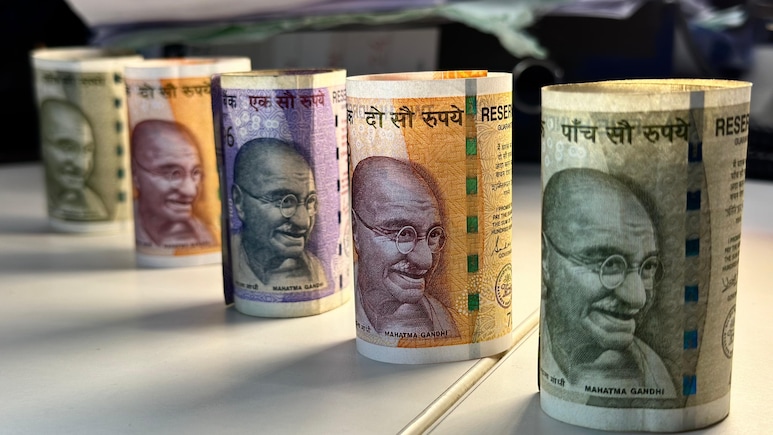
The Indian rupee slid to its weakest level in a month on Monday, while benchmark equities fell sharply as the escalating Iran conflict rattled global risk assets and sent oil prices surging. For the Indian economy, dependent on energy supplies from West Asia, the double blow of rising crude and shaky capital flows revived familiar concerns.
The rupee weakened 0.3% to 91.2350 against the dollar -- its lowest level since early February. The Nifty 50 and the BSE Sensex also opened to a gap down on Monday, tracking losses across Asian markets.
Over the weekend, the United States and Israel launched strikes on Iran, triggering retaliatory action and raising the risk of a wider regional conflict. Investors moved swiftly into safe-haven assets as crude prices spiked, prompting a sell-off in emerging market currencies and equities.
Brent crude futures jumped nearly 6%, after briefly touching $82 a barrel. Other Asian currencies also came under pressure, falling between 0.2% and 0.6%.
Follow LIVE Updates On US-Israel Strikes On Iran
Why Is Rupee Sliding?
Currency markets typically react faster than equities during geopolitical shocks. When tensions escalate, foreign investors tend to trim exposure to emerging markets, pulling funds out of risk assets.
For India, the oil channel is critical. West Asia (Middle East) supplies a little over half of the country's crude requirements. A sharp rise in oil prices widens the current account deficit and increases dollar demand from oil marketing companies, both of which weigh on the rupee.
Besides high oil prices, weak capital flows also weigh. Indian government bonds also felt the strain. The yield on the 10-year benchmark note rose 3 basis points to 6.6901 per cent. If crude remains elevated, bond markets could face renewed pressure amid concerns over fiscal supply and imported inflation.
According to a Reuters report quoting traders, Reserve Bank of India was likely active in the non-deliverable forwards market, while foreign banks were seen offering spot dollars, helping limit deeper losses in the currency.
Impact Of A Weaker Rupee
A softer rupee makes imports more expensive, particularly crude oil, electronics and fertilisers. That can feed into inflation and widen trade deficits, complicating macroeconomic management.
However, currency depreciation is not uniformly negative. Export-oriented sectors, especially information technology and pharmaceuticals, tend to benefit. Companies that earn in dollars but report in rupees see their revenues improve in local currency terms when the rupee weakens.
For now, much depends on how long oil prices stay elevated and whether capital outflows intensify. If geopolitical tensions persist, volatility in the rupee and domestic markets could remain elevated in the sessions ahead.
Track Latest News Live on NDTV.com and get news updates from India and around the world

