





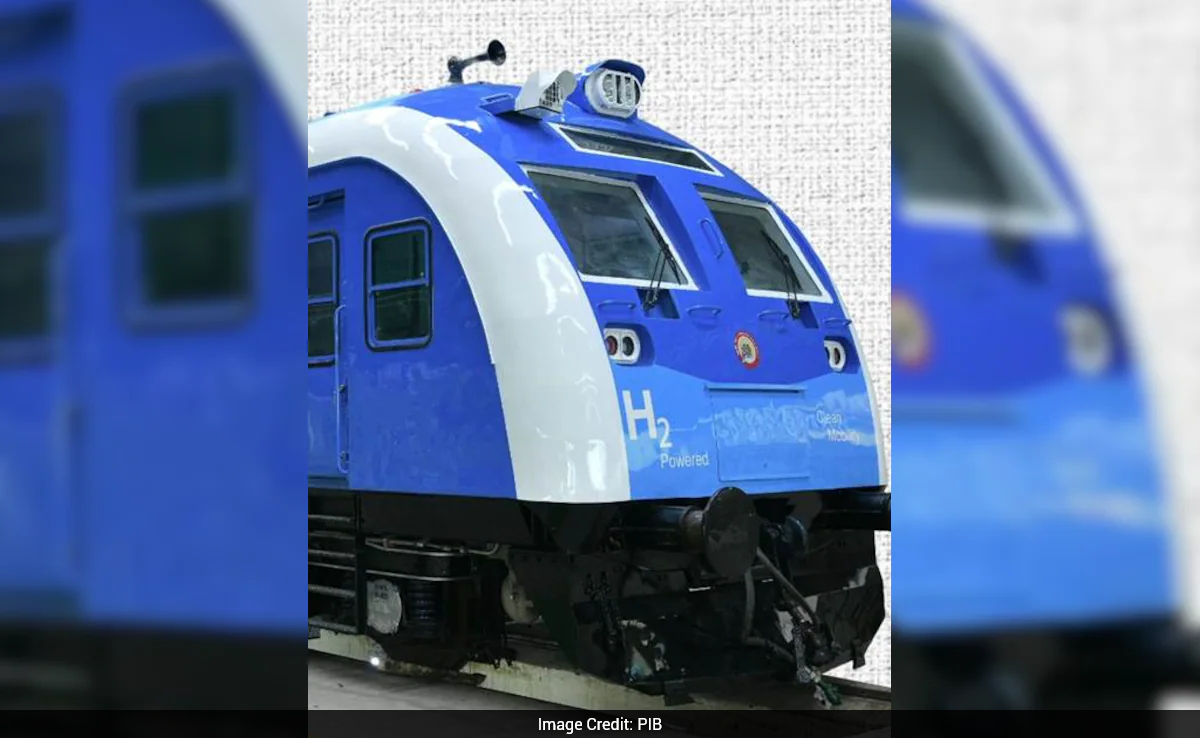
In a major milestone in the country's push towards green, energy-efficient and sustainable transportation, the Indian Railways on Wednesday (May 27) approved the introduction of a 10-car hydrogen fuel cell-based trainset on the dedicated Jind-Sonipat section in Haryana. Powered by a 1,200 KW hydrogen fuel cell propulsion system, the 10-car train will start operations soon with a maximum speed of 75 kmph.
With this, India joins an elite club of nations that includes Germany, Japan, China and the United States, which are exploring the use of hydrogen for cleaner rail transportation.
"The project reflects Indian Railways' broader commitment to innovation, energy efficiency and environmentally sustainable transportation and supports India's national clean energy and net-zero carbon emission goals," read a statement by Indian Railways.
How Does A Hydrogen-Powered Train Work?
Indian Railways has electrified nearly 100 per cent of its network, which has already reduced carbon emissions by a large extent. With the introduction of hydrogen-powered trainsets, Indian Railways is pushing the envelope with trains generating their own electricty onboard.
Hydrogen fuel cell technology generates electricity through a chemical reaction using hydrogen, with water vapour as the only emission, making it a clean alternative to conventional fossil fuel-based traction systems. For the Jind-Sonipat section, an indigenous hydrogen storage and refuelling facility has been set up at Jind, with the Petroleum and Explosives Safety Organisation (PESO) providing the necessary approvals.
During the initial phase of operations, trained technical staff will accompany the train to ensure smooth functioning.
Safety And Precautions
As the technology is still at a nascent stage, only a limited number of countries are currently operating or testing such systems. The Indian Railways said the approval also mandates comprehensive safety and operational protocols, which include:
- 24x7 monitoring of the hydrogen refuelling system.
- Deployment of trained and certified personnel for critical operations.
- Regular inspection and maintenance schedules.
- Various safety sensors, including hydrogen leak detectors and flame detectors, have been installed at the hydrogen production, storage and dispensing facility.
- Regular inspection and cleaning to prevent dust accumulation and ensure safe operation.
Hydrogen-Powered Shuttle Bus
The Indian government has been aggressively pushing for hydrogen-based transport modes. Earlier this month, the Delhi Metro Rail Corporation (DMRC) started the first hydrogen-powered shuttle bus service in New Delhi's Central Vista area.
The Indian Oil Corporation Limited (IOCL) has provided two hydrogen-fuelled buses to DMRC, with each bus having a seating capacity of 35 passengers. The buses come equipped with GPS-based tracking and CCTV systems for real-time monitoring, safety and route adherence.
Track Latest News Live on NDTV.com and get news updates from India and around the world

