





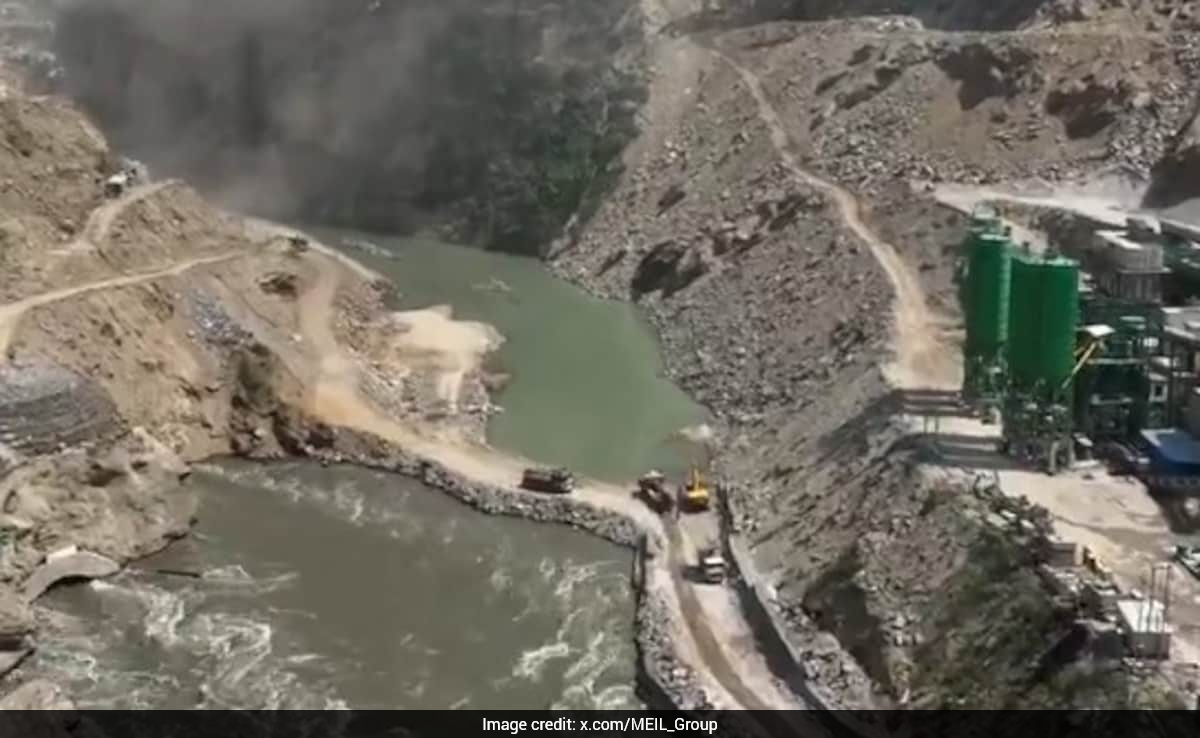
Months after India placed the Indus Water Treaty in abeyance with Pakistan following the April 22 Pahalgam terror attack, the Centre laid the foundation stone for the dam concreting works in Jammu and Kashmir and encouraged the project team to complete the works in an effective and time-bound manner.
The green signal for the 260 MW Dulhasti 2 hydroelectric power project and the accelerated construction of the 850 MW Ratle power project dam are testaments to India's unwavering resolve.
Union Minister of Power Manohar Lal Khattar's visit to Jammu and Kashmir's Kishtwar, where he laid the foundation stone, underscored India's aggressive pursuit of harnessing the Chenab River's hydroelectric potential.
This strategic shift could unlock India's hydroelectric potential, bolstering energy security and economic growth. "This move is a strategic 'water strike' against Pakistan, which has long relied on the Indus River system for its water needs," water expert Sandeep Thappa said.
"Pakistan's unnecessary objections had delayed projects, escalating costs, and making them non-viable. Now, we can accelerate projects, maximizing India's benefits without Pakistani interference," explained Thappa.
Pakistan has been sounding an alarm over India's latest move to bolster its water security, with the green signal for the 260 MW Dulhasti 2 hydroelectric power project on the Chenab River. Tahir Andrabi, Pakistan's foreign ministry spokesperson, has expressed concern, claiming India failed to inform Pakistan about the project. Islamabad dubs India's initiatives as a blatant "weaponisation of water", alleging India is exploiting the suspended Indus Waters Treaty to gain an upper hand.
By keeping the India Water Treaty in abeyance, India is poised to disrupt Pakistan's water security, potentially crippling its agriculture and energy sectors. The suspension of the Indus Waters Treaty, triggered by Pakistan's sponsorship of terrorism, sent a clear message: water and blood cannot flow together. With the treaty in abeyance, India is no longer obligated to share data with Pakistan, a move that could fast-track crucial projects.
Track Latest News Live on NDTV.com and get news updates from India and around the world

