





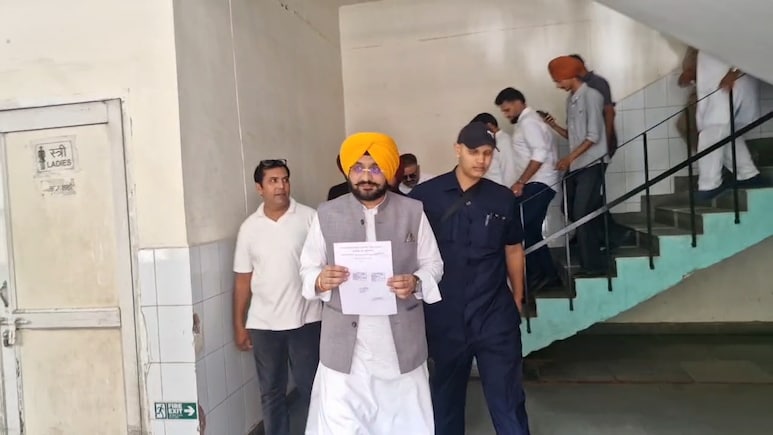
In Punjab's Khanna, a political fight that started with the familiar question of who delivered development and who did not, has taken an unusual turn. The debate over roads, projects and the record of previous governments has now become a contest over something far more personal: Who is willing to prove they are not a drug user.
The sequence is revealing.
Cabinet Minister and Khanna MLA Tarunpreet Singh Sond questioned the development record of previous Congress and Akali governments and challenged their representatives to an open public debate.
Shiromani Akali Dal leader Yadwinder Singh Yadu accepted the challenge and then raised the political stakes by challenging Sond to a dope test. Congress leader and former Khanna MLA Gurkirat Singh Kotli also accepted the dope test challenge, turning what had begun as a two way political confrontation into a wider contest involving the three principal political camps in Khanna.
All three were to undergo the test at Khanna Civil Hospital at 11 am on Sunday. Sond arrived before the scheduled time, gave his urine sample and was declared negative.
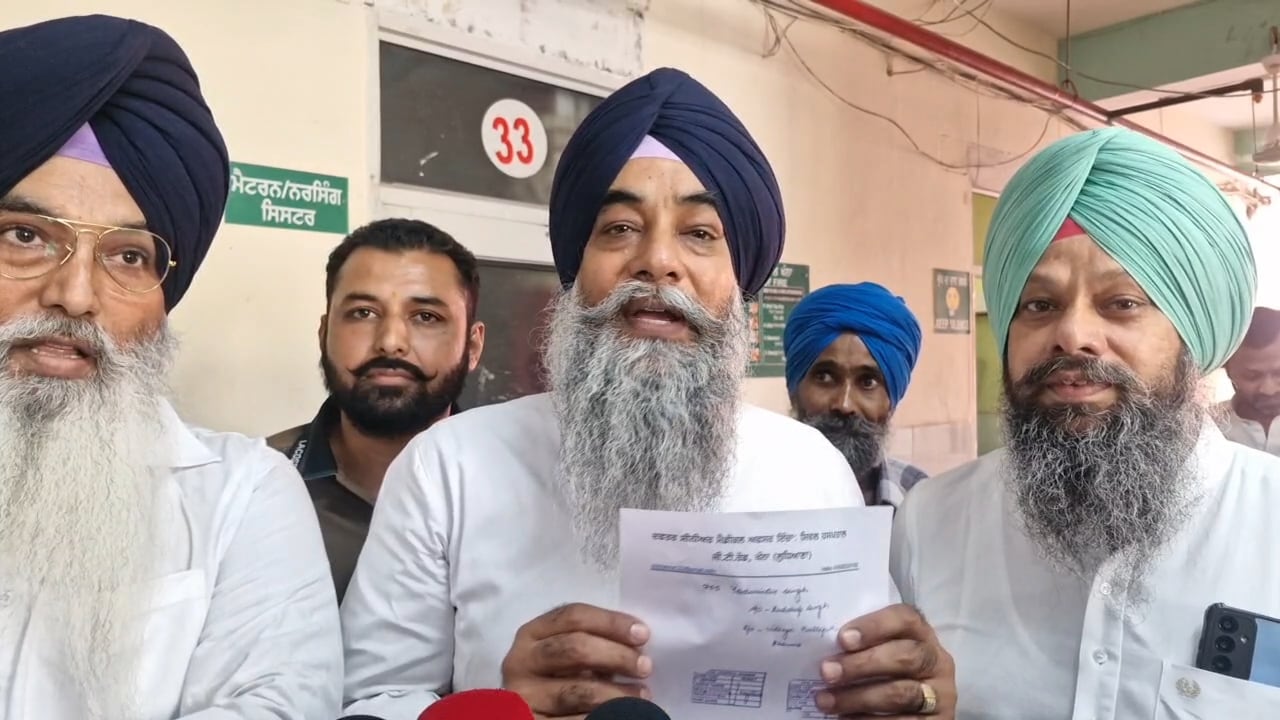
Akali Dal leader Yadwinder Singh Yadu accepted the challenge and then raised the stakes.
"Those Opposition leaders had challenged me to undergo a dope test, and they themselves had suggested Khanna Civil Hospital as the venue. I accepted their challenge, went to the hospital and underwent the test. My report has now come back negative, and that is the biggest truth and the clearest answer to the allegations being made against me," said Sond.
That should, in theory, have ended the matter. It did not.
Instead, the politics shifted from what the test showed to how the test was conducted.
Yadu, Kotli and other Opposition leaders questioned why Sond's sample was taken before the scheduled time and raised questions over the sampling procedure.
"Minister Sond's sample was not collected properly, and a false report was prepared on that basis. The role of the SMO also needs to be questioned. If the minister is confident about his report, let him accompany me to PGI and Ambala and undergo another dope test there. I will also get myself tested and make the report public," said Akali Dal leader Yadwinder Singh Yadu.
The dispute became heated inside the SMO's room, with police eventually stepping in as the confrontation moved towards a physical clash.
After Sond left, Yadu and Kotli also underwent dope tests and both were declared negative. Yet even that did not close the political loop. Yadu challenged Sond to repeat the exercise with him at PGI or in Ambala. Kotli demanded that the entire process, from sampling to testing, be conducted on camera.
That is where this episode becomes politically interesting.
The dope test has ceased to be merely a test. It has become a political credential.
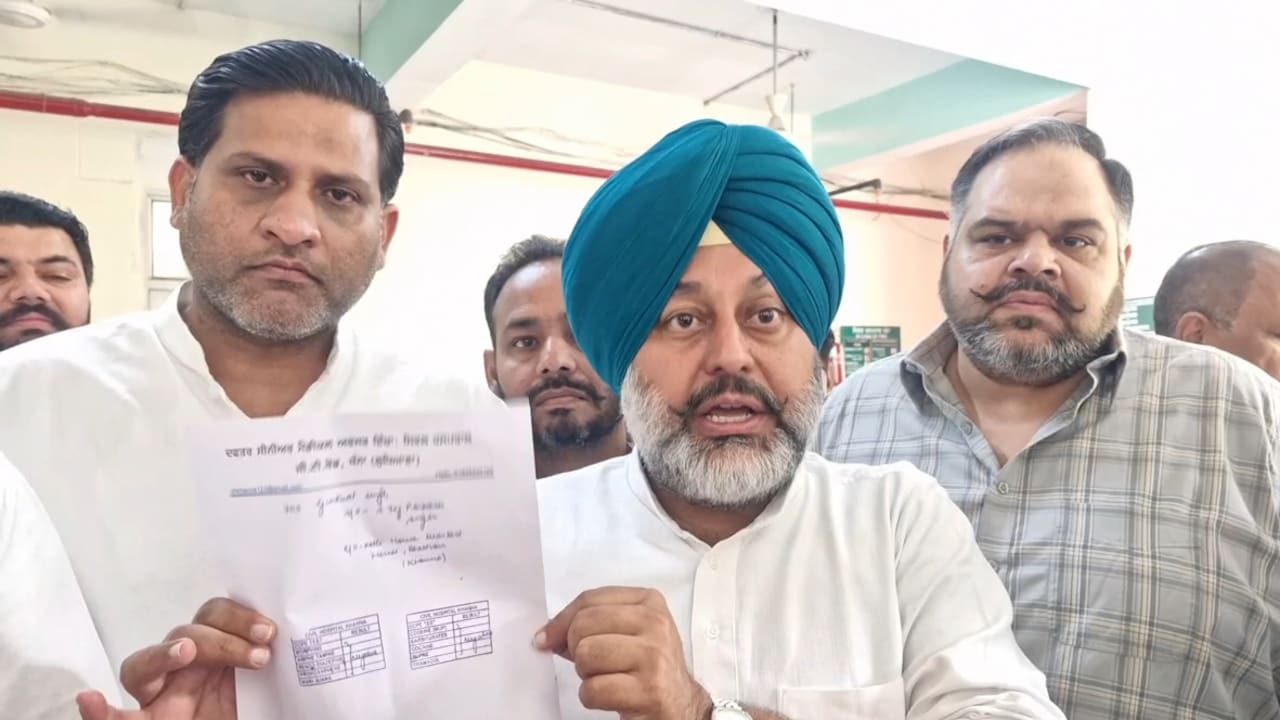
Congress's former Khanna MLA Gurkirat Singh Kotli also accepted the dope test challenge.
In Punjab, where drugs have occupied an unusually prominent place in public and electoral politics for years, allegations of drug use carry a political charge that goes well beyond an individual's private conduct. Politicians have routinely used accusations of addiction and allegations of links to the drug problem to attack opponents and question their credibility.
The dope test challenge effectively turns that rhetoric into a public political exercise. If you say you are clean, prove it.
But there is another political calculation at work. Once one politician accepts a dope test challenge, the burden can quickly shift to everyone else. A rival can ask why they have not taken the test. The politics then moves from policy and performance to personal verification.
And that changes the nature of the political contest.
The original Khanna dispute was about governance and what previous governments did for the constituency. The dope test challenge transformed it into a question of personal credibility and whether individual politicians can establish that they themselves are drug free.
The subsequent dispute over the testing procedure shows another feature of this new politics. Even a negative result may not end the contest. The battle can move from the result to the laboratory, from the laboratory to the sampling process, and from the sampling process to demands for a new test elsewhere.
The test can settle a medical question without necessarily settling a political one.
And that may be the most revealing part of the Khanna episode. Drugs have become such a powerful political subject in Punjab that even a development debate can be pulled into their orbit. What began with an argument over the past performance of governments, ended with politicians challenging each other for a test.
The larger question is what this says about Punjab's political discourse. When allegations of drug use become a measure of political credibility, does the politics remain focused on tackling the drug crisis, or does the drug test itself become the politics?
Khanna offers a striking example of that shift.
Track Latest News Live on NDTV.com and get news updates from India and around the world

