





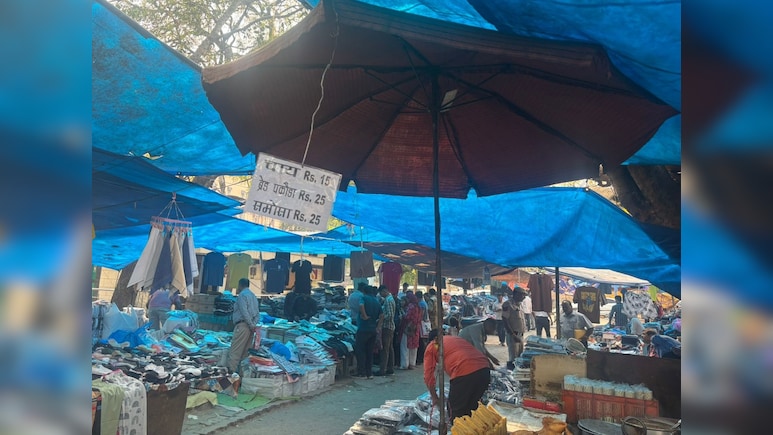
- Food prices have risen by 10-25% as vendors face higher LPG costs and reduced sales
- Iran's blockade of Strait of Hormuz has disrupted 20% oil and gas supplies globally
- Commercial LPG supply has been limited despite 38% rise in domestic production, say shop keepers
A growing LPG crisis in the national capital is forcing small vendors and eateries to shut down operations, while customers are left grappling with rising food prices. The crisis hit after Iran - engaged in war with the US and Israel - has retaliated by blocking the Strait of Hormuz, a critical route through which one-fifth of global oil and gas supplies from Gulf countries are routed.
Roshan Yadav, who runs a litti chokha stall in Mayur Vihar, said he had to close his shop on March 10 because of LPG supply issues.
"When I tried to buy gas on the black market, it was being sold at Rs 600 per kg. My earnings don't even cover such high costs, how can I continue working like this?" he said.
Yadav added that he had briefly reopened his stall after purchasing gas at Rs 400 per kg and increased prices by Rs 10, but customers have been reluctant to pay higher rates. "We will reduce prices when we get gas at cheaper rates," he explained.
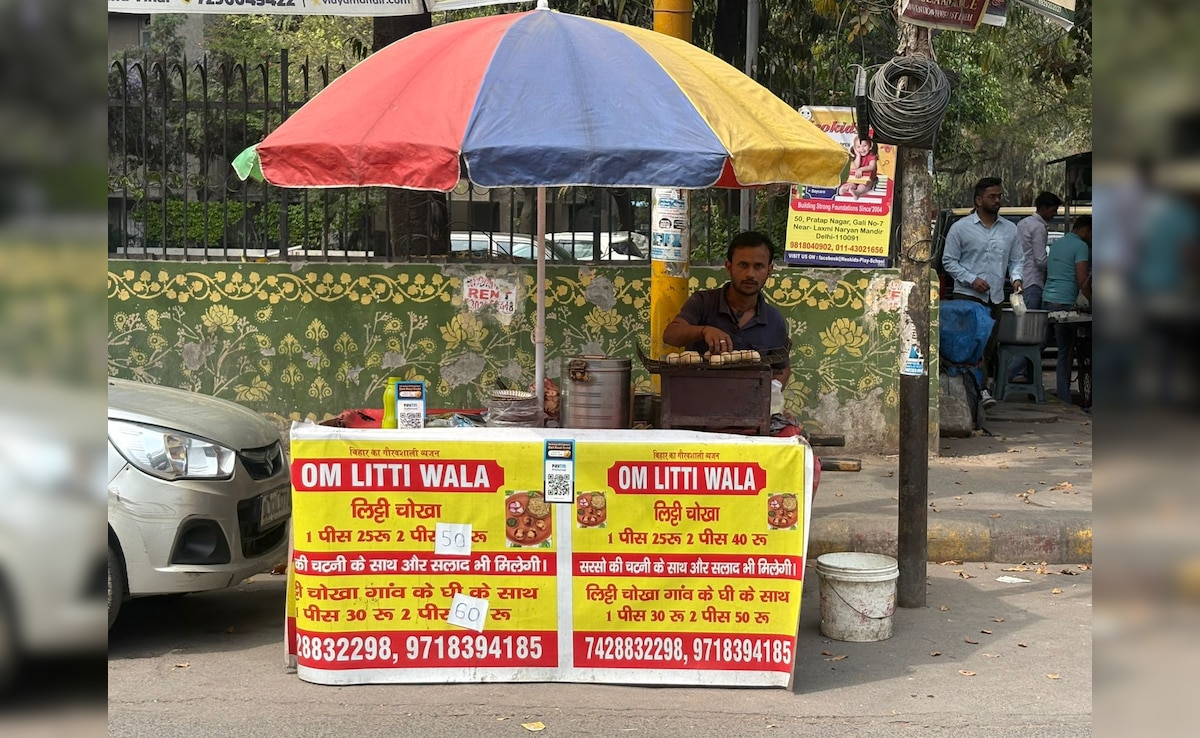
Yadav's struggle is not an isolated one. Thousands of street vendors and small restaurant owners across Delhi are facing similar challenges. Ashu, who has been running a samosa, kachori, and tea stall near Shastri Bhavan for nearly 40 years, said commercial LPG cylinders are unavailable. "We are somehow managing by using domestic gas cylinders to keep our livelihood going," he said.
However, he admitted that prices have been raised and sales have declined. "This is our last cylinder. If we don't get more, we'll have no option but to shut down," he added.
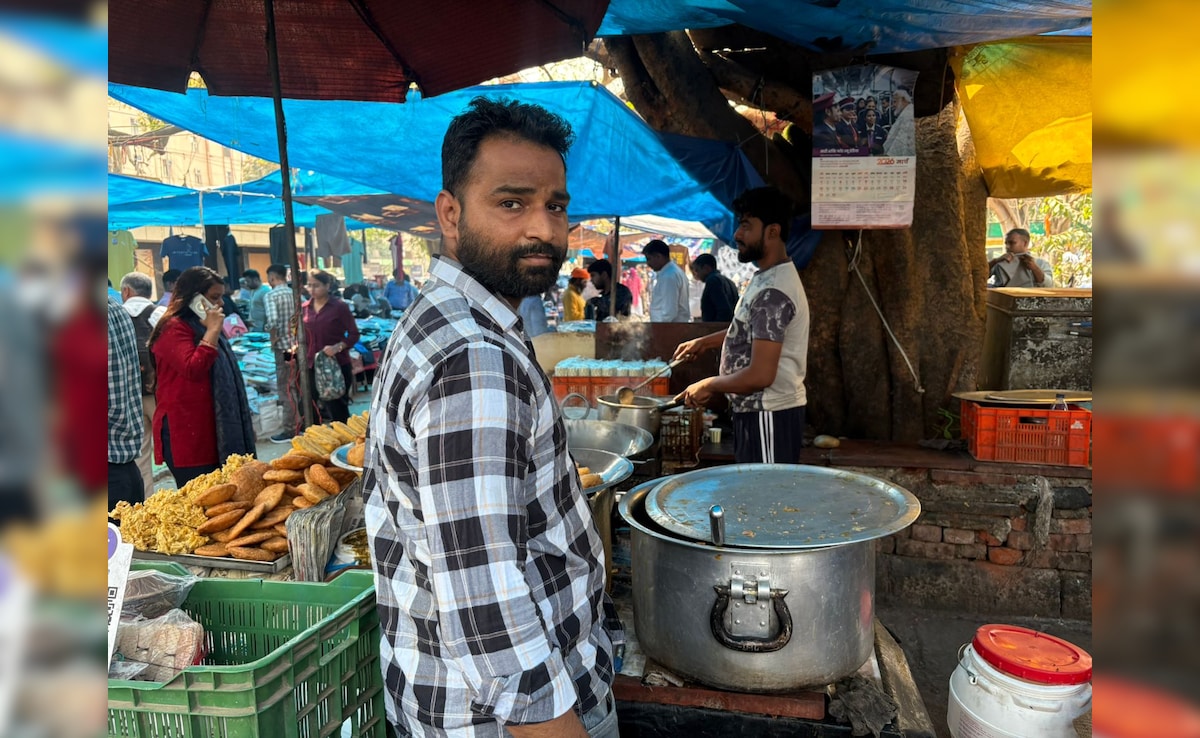
The government has assured that commercial LPG supply has resumed, but many vendors claim they are yet to receive any. As a result, most food sellers have shut shop. To make ends meet, and some have increased their prices.
India imports about 62 per cent of its LPG needs, with nearly 90% of it transported via Hormuz.
According to Joint Secretary Sujata Sharma of Petroleum Ministry, India has increased domestic LPG production by 38 per cent. While the situation remains concerning, authorities have assured that domestic LPG supply will continue.
Demand, however, has surged significantly, with daily gas bookings rising from 70 lakh to 89 lakh in recent days. But supply remains limited at 50 to 60 lakh cylinders a day.
The disruption has not only led to shop closures but also contributed to inflation, directly affecting consumers. The government has advised citizens to consider alternative fuel options.
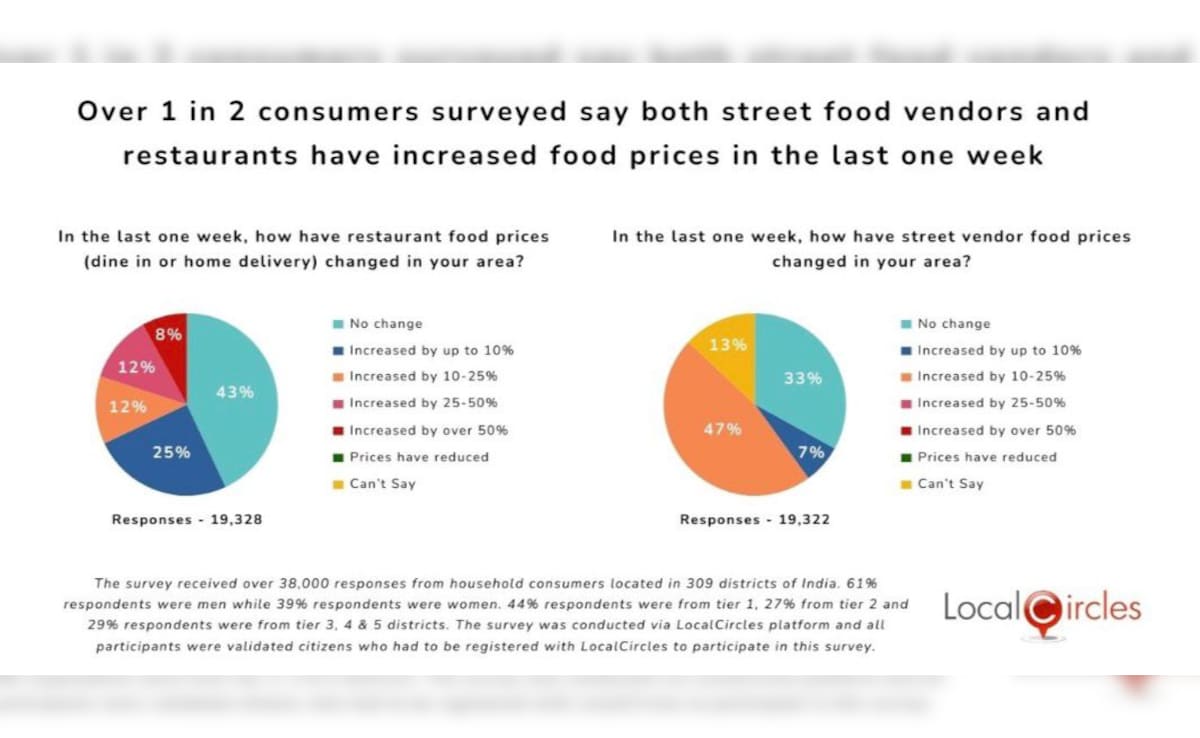
A recent LocalCircles survey of 38,000 respondents revealed that one in two customers has noticed price hikes at street vendors and restaurants. Street food prices have risen by 10-25 per cent in the past week, while restaurants have increased prices by up to 25 per cent. Around 57 per cent of respondents reported higher prices when ordering food online or dining out, and 54 per cent noticed increased costs at street stalls.
Although two LPG shipments carrying 92,700 metric tonnes of gas recently reached India, this quantity meets only about one day's requirement. Meanwhile, six Indian LPG vessels carrying approximately 300,000 metric tonnes remain stranded in the Persian Gulf. But this too, is sufficient only for 3.5 to 4 days.
With no immediate resolution in sight, the gas supply crisis is expected to persist, continuing to strain business and household budgets alike.
Track Latest News Live on NDTV.com and get news updates from India and around the world

