



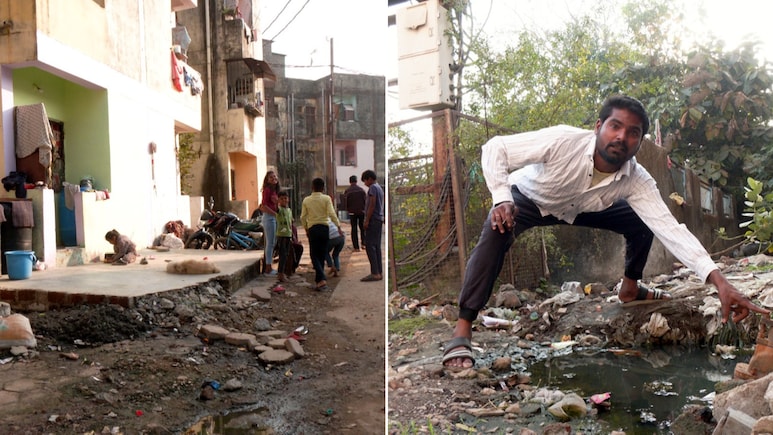
Groundwater in several parts of Bhopal, including Khanugaon, Adampur Cantonment, and Vajpayee Nagar, has tested positive for E coli bacteria. This is the same pathogen recently detected in Indore's Bhagirathpura area, where contaminated water claimed 20 lives.
Four samples collected from these locations failed quality tests, confirming bacterial contamination. In response, the Bhopal Municipal Corporation (BMC) has immediately prohibited the use of groundwater in these areas.
BMC Clarifies Piped Water Is Safe
The BMC has clarified that the contamination is limited to groundwater sources and has not affected the city's treated, piped water supply. Learning from the recent tragedy in Indore, the corporation has intensified its monitoring, recently sampling water at over 1,500 locations across Bhopal.
Of these, contamination was found at only four points. Officials stated that supply lines in the affected areas have already been replaced or diverted to ensure residents receive safe water.
"The purpose of this exercise is not to create fear, but to ensure that our system remains foolproof," said Municipal Commissioner Sanskriti Jain. "We are testing water from source to tap."
Water from major sources, including the Narmada, Kolar, Upper Lake (Bada Talab), and Kerwa, is treated at filtration plants and retested at the household level. As a further precaution, even 264 tube wells currently not in use have been tested.
Health Risk Of E Coli
E. coli in water typically indicates contamination by sewage or organic waste. Ingesting the bacteria can lead to severe stomach cramps, diarrhoea, vomiting and life-threatening complications if left untreated.
Despite the immediate response, officials admit that long-term structural issues remain a significant worry. In 22 wards, approximately 400 km of water pipelines run directly alongside sewer lines. This setup affects roughly 5 lakh people in densely populated areas like Navibagh and the Govindpura Industrial Area.
Many of these iron pipelines have exceeded their natural lifespan and are prone to leaks, which allows sewage to seep into the water supply. Replacing this ageing infrastructure is estimated to cost ₹500 crore. Currently, about 75,000 of the city's 2.71 lakh tap connections require replacement. Under the AMRUT 2.0 scheme, work is underway to lay 750 km of new pipelines across the city to resolve these risks.
Track Latest News Live on NDTV.com and get news updates from India and around the world

