





On February 28, 2026, the US and Israel launched coordinated airstrikes against Iran, killing the country's Supreme Leader Ayatollah Ali Khamenei. This sparked a conflict across the Middle East that continues to this day, with Iran blocking the Strait of Hormuz, a shipping route through which 20 per cent of the world's oil passes. The hostilities in the Middle East have stretched global supply chains, pushing Prime Minister Narendra Modi to urge Indians to cut down on unnecessary investments and travel to save fuel.
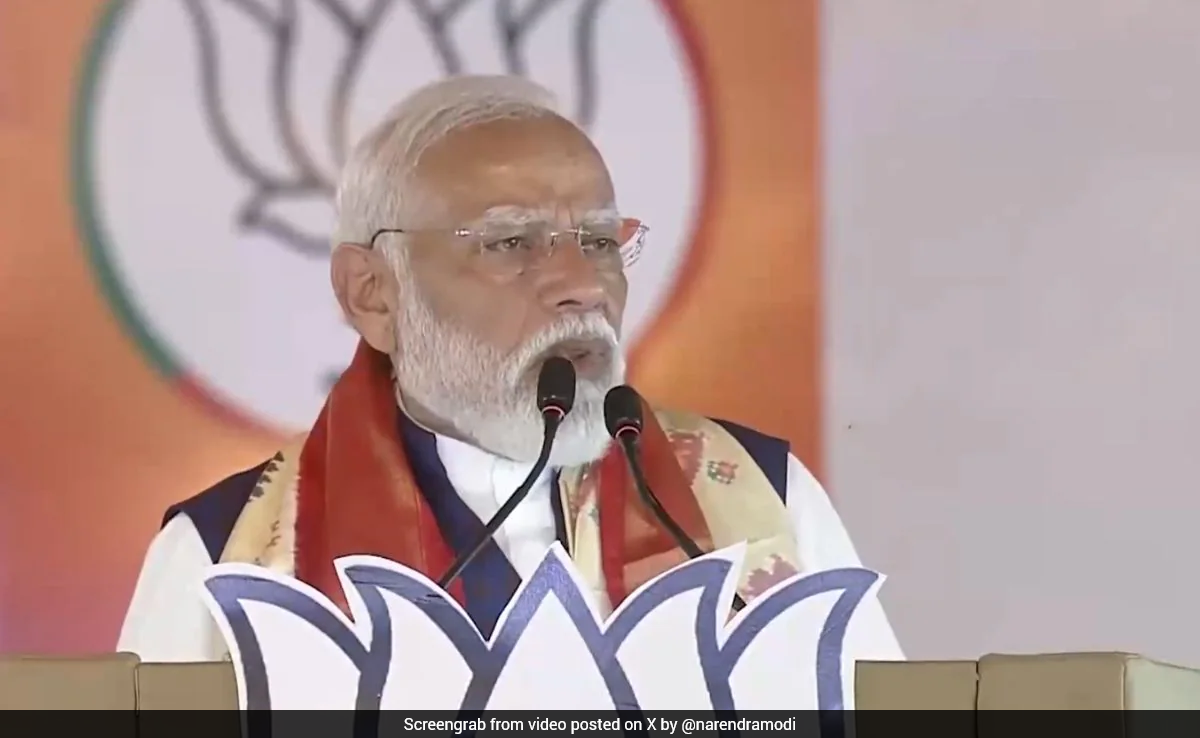
Speaking in Secunderabad on Sunday after inaugurating projects worth around Rs 9,400 crore in Telangana, PM Modi made seven appeals that served as a deja vu, reminding people of the restrictions imposed during the COVID-19 pandemic.
ఈ ప్రపంచ సంక్షోభ సమయంలో, మన బాధ్యతలకే అత్యంత ప్రాధాన్యత ఇస్తూ కొన్ని సంకల్పాలు చేసుకుని, వాటిని ఎట్టి పరిస్థితుల్లోనూ నెరవేర్చాలి. ఈ సందర్భంలో నాకు ఒక ప్రత్యేక విజ్ఞప్తి ఉంది… pic.twitter.com/Ktp0I10Jvm
— Narendra Modi (@narendramodi) May 10, 2026
PM Modi's 7 Appeals
- Prioritise work from home wherever possible
- Avoid buying gold for one year
- Reduce petrol and diesel consumption; use the metro and public transport
- Cut down the use of cooking oil
- Reduce dependence on chemical fertilisers and move toward natural farming
- Use fewer foreign-branded products and adopt Swadeshi (indigenous products)
- Avoid foreign travel for one year
Nation First Duty Above Comfort!
— MyGovIndia (@mygovindia) May 10, 2026
PM @narendramodi gave 7 important appeals to strengthen India during challenging global times prioritize work from home wherever possible, reduce fuel consumption, avoid foreign travel for a year, adopt Swadeshi products, cut down cooking oil… pic.twitter.com/jhDGYTarH6
The government is urging people to be responsible and go local for a "stronger and more self-reliant" India.
Also Read | PM Modi's WFH Appeal Sparks Debate: Is Corporate India Ready Again?
How These Cuts Will Help India
Restrictions on travel were imposed during the pandemic to prevent the spread of the virus and contain the disease burden. Seven years later, similar restrictions are being put in place in the interest of the nation's economy.
Why now?
US President Donald Trump on Sunday (local time) rejected Iran's peace proposals, pushing the global crude oil price to over $105 a barrel.
A rise in crude oil prices directly impacts India, the world's third-largest oil importer. If higher fuel costs are passed on to consumers, the public could face inflation.
To limit the import of crude oil, the government is suggesting reducing fuel consumption, thereby curbing inflation.
Additionally, India imports $72 billion worth of gold annually, according to data compiled by Trading Economics. Reducing gold purchase will give India more money to invest in crude oil.
Track Latest News Live on NDTV.com and get news updates from India and around the world

