





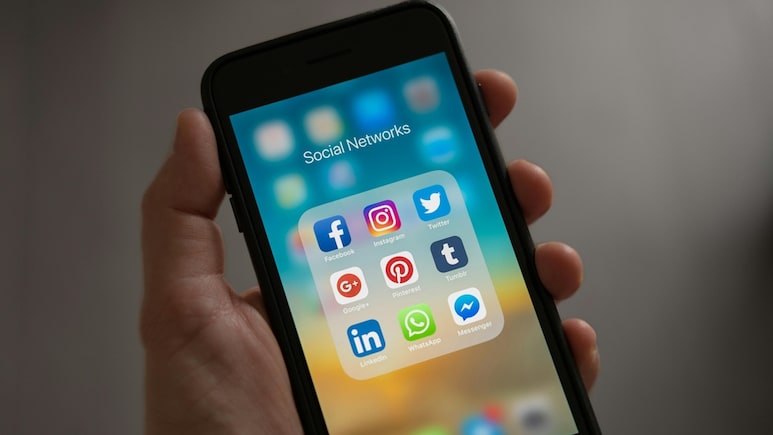
The Bihar government has issued new social media guidelines for its employees to clearly define how they should behave on platforms like Facebook, X, Instagram, and YouTube. These rules have been approved by the state cabinet and will apply to all government officers and staff, from senior officials to lower-level employees.
According to the government, the aim is not to ban social media use, but to ensure discipline, responsibility and dignity in the digital space.
Under the new guidelines, government employees will need prior permission from their department authority before opening a social media account. Anonymous or fake accounts are not allowed. Employees cannot use their official designation, government logo, or any symbol linked to their post while posting personal content online. They are also advised not to use official email IDs or government phone numbers for running personal social media accounts. The idea is to clearly separate a person's private views from the government's official position.
The rules also put clear limits on what kind of content government employees can post or share. They are barred from posting material that is obscene, abusive, inflammatory or capable of disturbing social harmony. Content that targets any caste, religion, community or individual is strictly prohibited. Employees have also been warned against sharing photos or videos from official meetings, government programmes or offices, especially if the material is sensitive or confidential. Posting or commenting on internal government matters on social media is discouraged.
Another key part of the guidelines relates to political neutrality. Government employees are expected to avoid public criticism of government policies, decisions or senior officials on social media platforms. The rules also clearly state that revealing the identity of sexual assault survivors or sharing sensitive personal information of any individual will invite strict disciplinary action. Any violation of these guidelines can lead to departmental inquiry, punishment and other service-related consequences.
The Bihar government said these rules were introduced because of repeated cases where social media posts by government employees led to controversies, embarrassment for the administration and law-and-order concerns.
In recent years, social media has become a powerful and instant medium, where one post can spread rapidly and create confusion or misinformation. The government feels that careless or provocative posts by employees can damage the image of the administration and affect public trust.
The impact of these guidelines is likely to be mixed. On the positive side, they can bring more discipline and caution among government employees while using social media. Clear rules can help prevent misuse, stop the spread of harmful content and protect the dignity of public service. They also give the government a formal mechanism to act against serious violations.
However, critics argue that the rules may discourage employees from raising genuine issues or concerns, even in a constructive manner. Fear of punishment could create a chilling effect, where employees avoid speaking up about problems in service delivery or workplace conditions.
Track Latest News Live on NDTV.com and get news updates from India and around the world

