





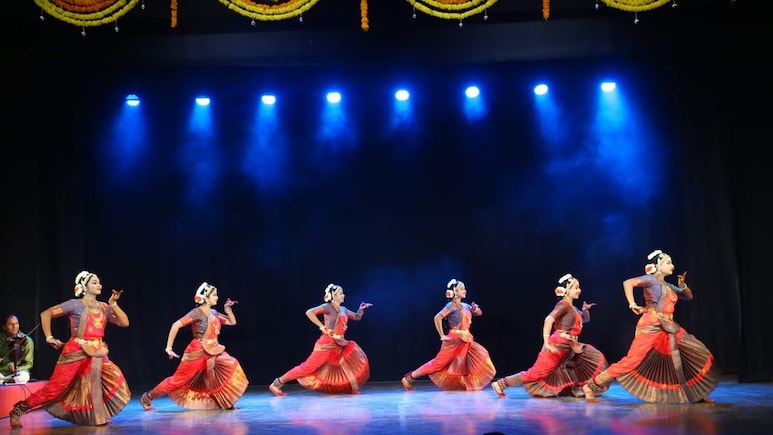
On stage, a dancer's eyes widen in fear, her hands shaping the grace of a wild cat moving through the forest. In the next moment, the same dancer expresses grief -- telling the story of a young leopardess killed amid human-wildlife conflict.
For Dr Sathya SN, a Bharatanatyam dancer and wildlife conservationist based in Hyderabad, dance is not merely performance. It is activism.
Through powerful storytelling rooted in the classical dance form, Dr Sathya is using Bharatanatyam to raise awareness about conservation while simultaneously empowering women and children from marginalised communities.
Speaking to NDTV, she said Bharatanatyam has long been a vehicle for social transformation.
"Bharatanatyam has been used as a powerful tool for social change since the days of the freedom movement," she said. "Through abhinaya, the emotional storytelling of dance, audiences can experience the wilderness and understand the struggles of wildlife."
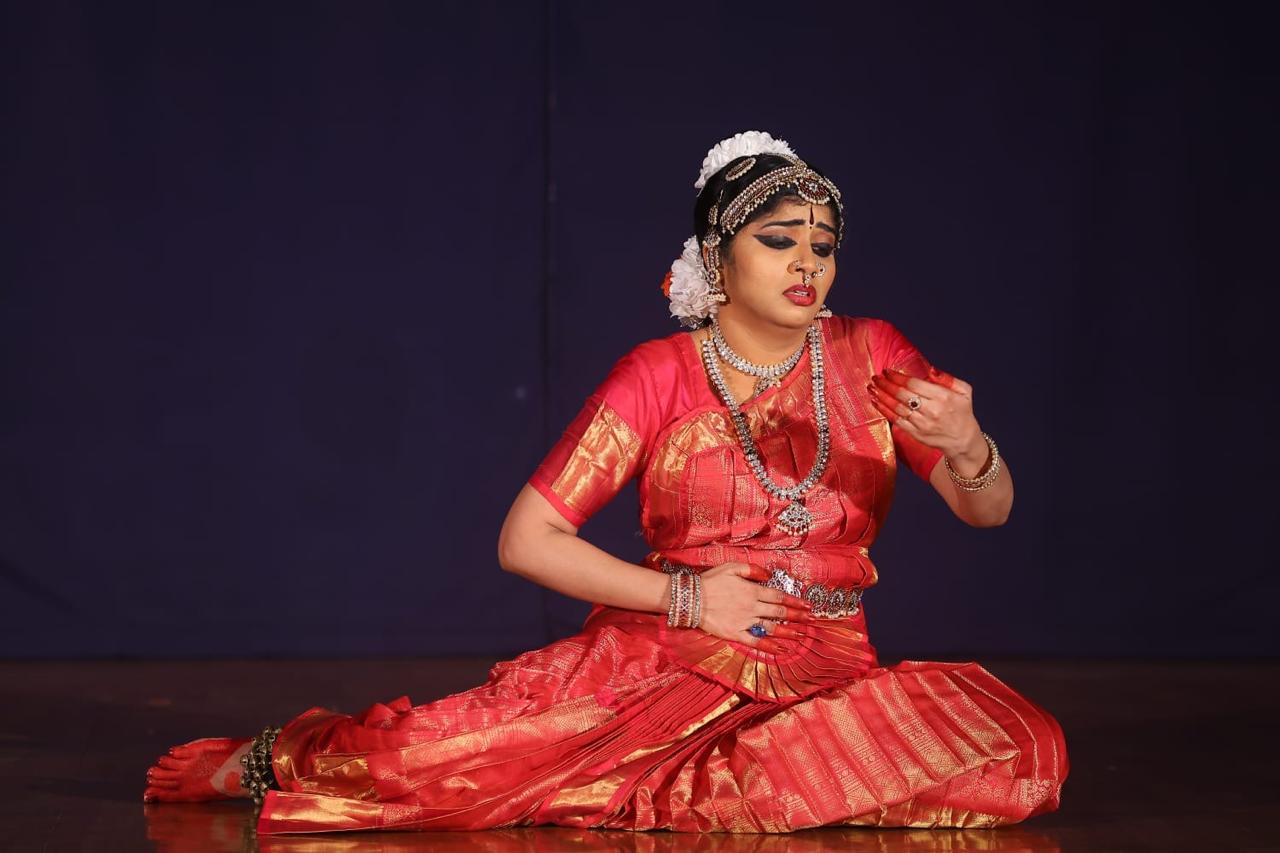
"My dream is to conserve India's diversity and pristine wildlife," she said.
One of her performances depicts the real-life story of a weaning leopardess killed in a human-wildlife conflict. Through soul-stirring music and expressive abhinaya, the tragedy of shrinking forests and rising human-animal encounters is conveyed to audiences in an emotionally compelling way.
But conservation is only one dimension of her work. Dr Sathya also runs initiatives that teach Bharatanatyam to children from oppressed communities, challenging the caste barriers that historically limited access to classical arts.
"Inclusive Bharatanatyam is my life's work. Art transforms lives," she said.
Many girls who train under her come from socially and economically marginalised backgrounds. For them, dance becomes a path to confidence, dignity and recognition.
"Bharatanatyam gives confidence and respect to girls from oppressed communities," she explains. "Several of them have grown into performing artistes."
Dr Sathya recalls that when she began teaching in underserved neighbourhoods, she was sometimes labelled a "basti teacher" or "slum teacher".
"I took that with pride," she said.
The transformation, she added, extends beyond the students.
"Mothers who once faced caste discrimination gain a new identity when their daughters learn dance, perform on stage and are respected."
Her journey into this unique blend of art and activism, she said, took shape during her time studying in the United States, where she discovered a new identity as a dancer.
Today, her dream is clear.
"My dream is to conserve India's diversity and pristine wildlife," she said, using Bharatanatyam as the bridge between culture, conservation and social justice.
Track Latest News Live on NDTV.com and get news updates from India and around the world

