





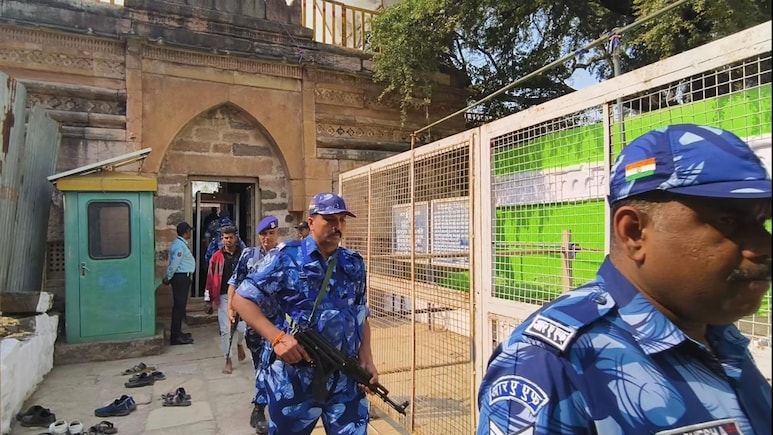
With Basant Panchami on a Friday on January 23 -- only the fourth such coincidence after 2006, 2013 and 2016 -- the administration in Madhya Pradesh's Dhar district has stepped up security around the communally sensitive Bhojshala complex, amid memories of past violence, arson and curfews on similar occasions.
Police and civil authorities have launched extensive preventive measures. Around 2,000 personnel carried out a flag march on Sunday, while drone surveillance and nearly 1,000 CCTV cameras are being used to monitor the area. As per orders of the AIG (Law and Order), additional forces began arriving in Dhar from January 20 and will remain deployed till January 27. In total, 2,435 state police personnel and about 8,000 CRPF members are part of the security plan. The Bhojshala premises have been divided into six security sectors, with a dedicated police outpost and control room set up inside the complex.
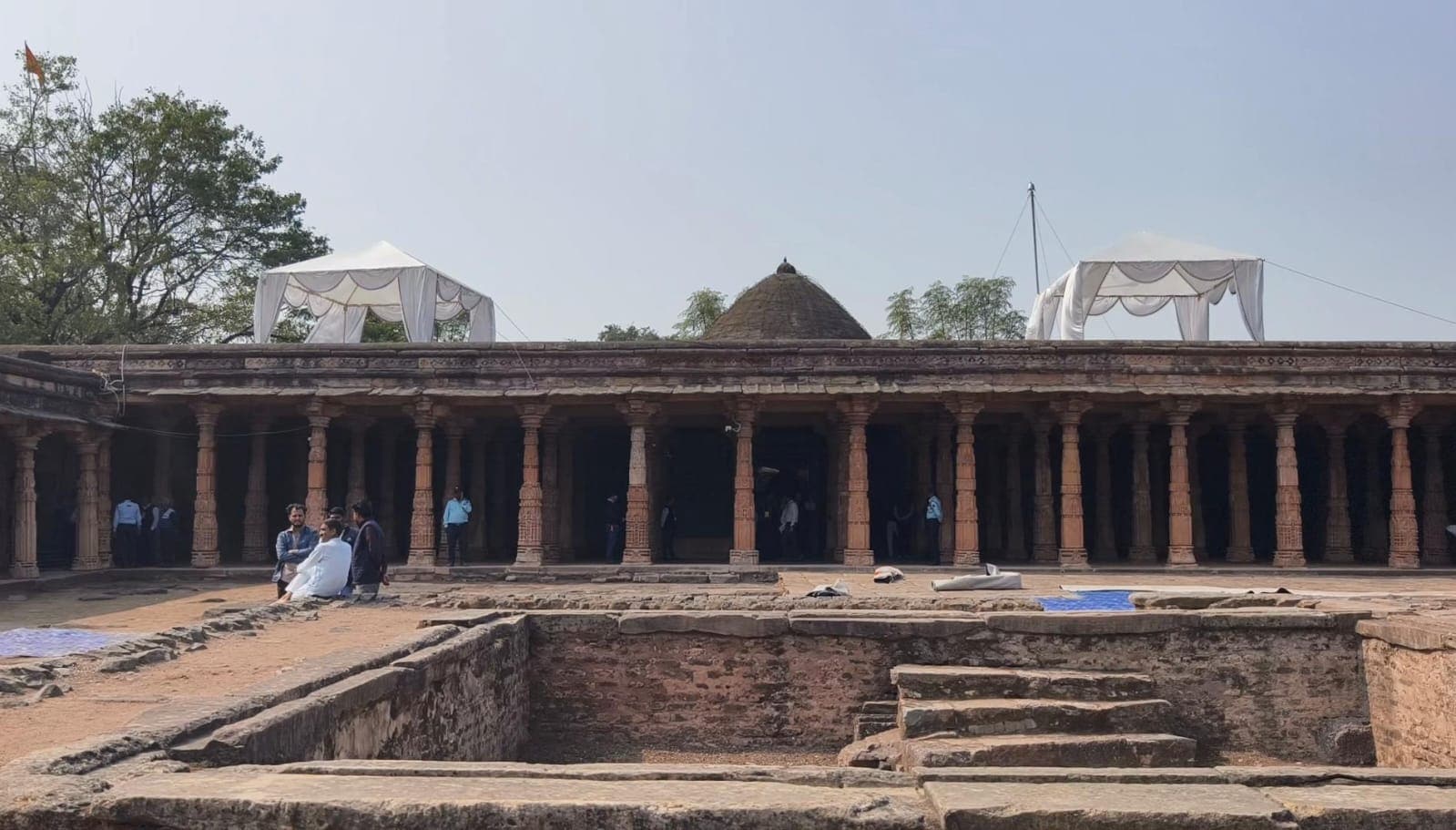
The heightened alert stems from competing religious claims on the same day. Hindu organisations have called for akhand puja (continuous worship) at Bhojshala from sunrise to sunset on Basant Panchami, while the Muslim community has sought security to offer Friday namaz. Dialogue is ongoing with both sides to prevent escalation.
The dispute has also reached the Supreme Court of India, which will hear a plea on January 22 a day before Basant Panchami filed by the Hindu Front for Justice (HFJ). The petition seeks exclusive rights for Hindus to worship Goddess Saraswati (Vagdevi) at Bhojshala throughout January 23, arguing that the existing order of the Archaeological Survey of India dated April 7, 2003, does not clarify what should happen when Basant Panchami coincides with a Friday.
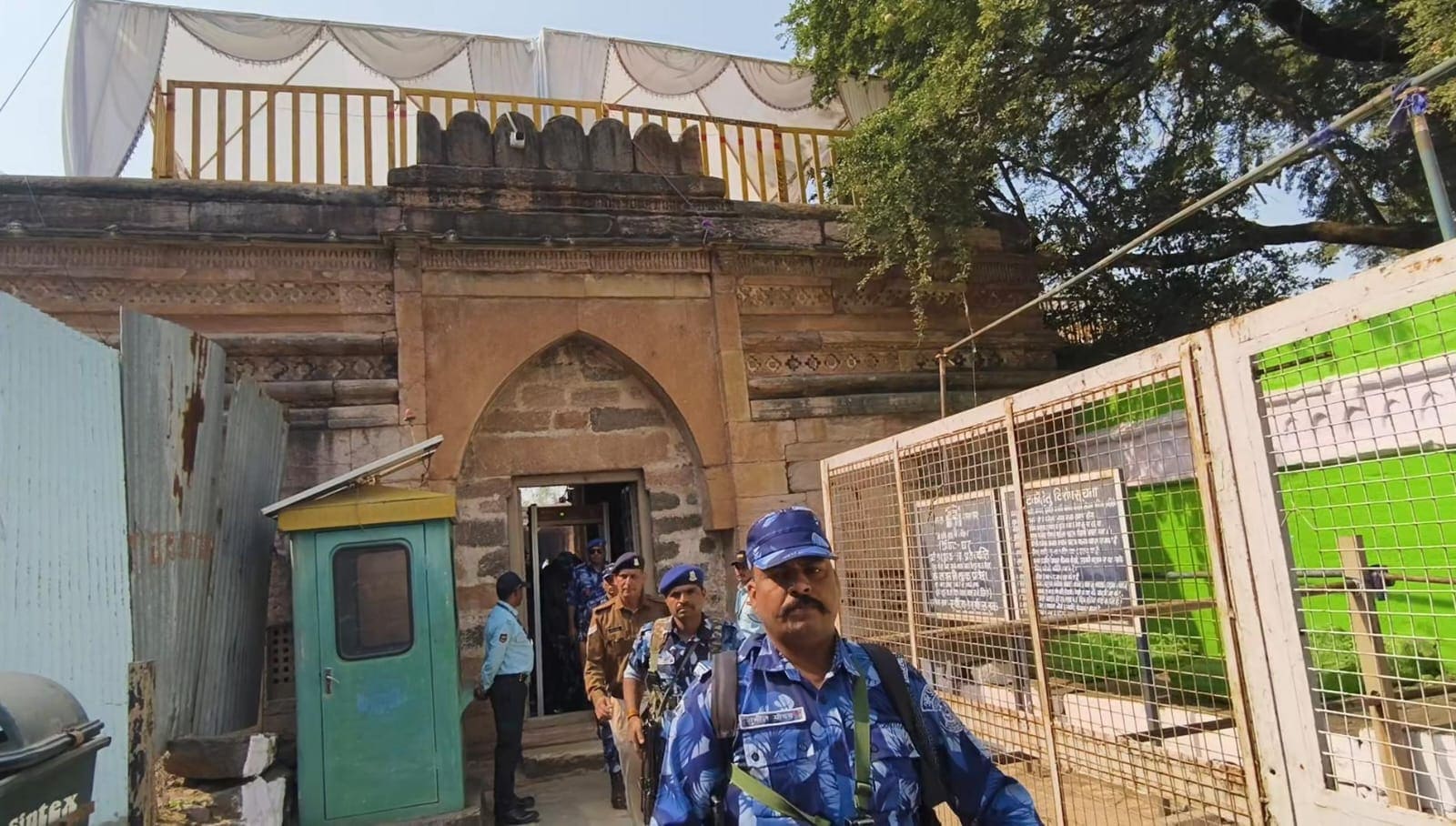
Under the 2003 ASI order, Hindus are permitted worship at Bhojshala every Tuesday and on Basant Panchami, while Muslims are allowed Friday prayers between 1 pm and 3 pm. In previous years when the dates coincided 2013 and 2016 the ASI issued special, time-split orders in advance. This year, however, no fresh ASI order has yet been issued, making the Supreme Court hearing crucial.
HFJ's petition cites past incidents, particularly clashes in 2013, to argue that simultaneous prayers risk law-and-order breakdown. It contends that Basant Panchami occurs only once a year, while Friday prayers take place around 50 times annually and there are 25 mosques in Dhar city. The Muslim side, however, maintains that Friday namaz was allowed even in earlier such years and has assured the administration it will abide by official orders.
The Bhojshala dispute itself dates back nearly 700 years. Hindus believe the site was originally an 11th-century Vagdevi temple built by Parmar king Bhoj, while Muslims consider it the Kamal Maula Mosque constructed during the Malwa Sultanate period. The complex is an ASI-protected monument, and its religious character is currently under judicial scrutiny following a detailed ASI survey ordered by the Madhya Pradesh High Court in 2024, the findings of which are yet to be heard due to a Supreme Court stay.
With both communities firm on their positions and Basant Panchami just days away, the Dhar administration remains on maximum alert, hoping tight security and court clarity will ensure the day passes peacefully.
Track Latest News Live on NDTV.com and get news updates from India and around the world

