





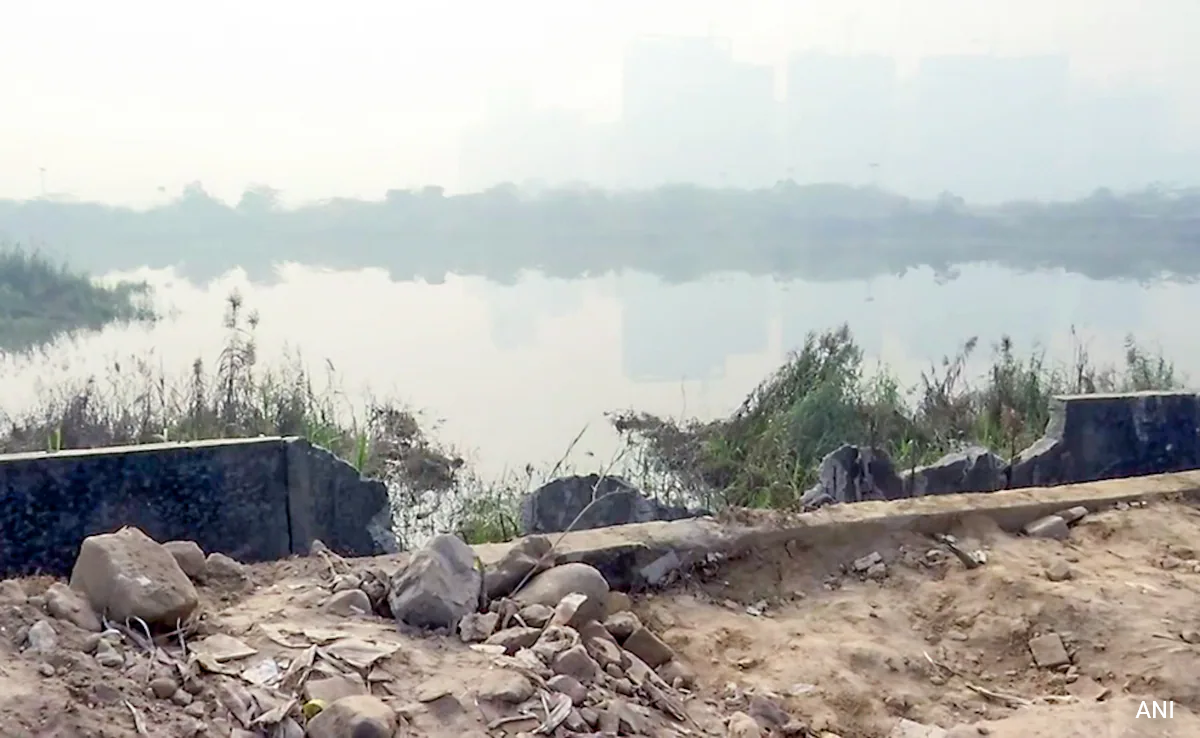
The death of a young software engineer who drowned in a waterlogged pit in Noida has once again raised alarm over urban safety in the national capital region. Even as the incident occurred nearly 40 km away from Delhi, data from the Delhi Assembly reveals that between January 2024 and December 2025, 239 people lost their lives to accidents and natural disasters in the capital, with drowning emerging as the deadliest threat.
Of the 239 deaths, 89 were due to drowning - more than any other single accidental cause. These fatalities were rarely in deep rivers; instead, they occurred in everyday urban spaces turned into death traps by poor drainage.
Many deaths occurred in underpasses, waterlogged streets, and central urban areas. The government data also identified the hotspots, which included the Sarita Vihar underpass, Barat Ghar near Ali Vihar, Kalindi Kunj Canal, the DND Flyover, and Jaitpur.
Other accidental deaths reported during the same period included 53 fatalities from fires, 46 deaths due to building collapses during heavy rains, three deaths from electric shocks, and 48 deaths from other natural or man-made disasters. Experts warn that poor drainage, unsafe urban infrastructure, and delayed emergency response continue to put residents at risk.
Read | Satellite Images Show Noida Pit Existed For 3 Years Before Techie's Death
Traffic Accidents Make Streets Even Riskier
Parallel to the drowning crisis, Delhi's road infrastructure and public transit network remain high-risk zones. During this same two-year window, nearly 150 accidents involved Delhi Transport Corporation (DTC) and cluster buses, resulting in 41 fatalities.
Specifically, DTC buses were involved in 97 accidents, 21 fatal, while cluster buses operated under the Delhi Integrated Multi-Modal Transit System (DIMTS) were linked to 50 accidents, 20 fatal.
Accident severity included 27 major crashes- 15 DTC and 12 cluster buses, and 79 minor crashes- 61 DTC and 18 cluster buses.
Scale of Delhi's Bus Network Increases Risk
Delhi moves lakhs of commuters daily. DTC runs about 3,500 buses daily from a fleet of 3,800, while DIMTS cluster buses operate close to 3,000 from a total fleet of 3,150. Overall, more than 6,400 buses operate across Delhi-NCR every day, navigating arterial roads and congested inner-city streets, making accidents more likely, particularly during peak hours.
Why Crashes Keep Happening
Internal assessments and Delhi government sources point to recurring causes: overspeeding, poor road design, weak enforcement of dedicated bus lanes, low compliance with traffic rules, mobile phone use while driving, sudden medical emergencies among drivers, poor training, and occasional drunk driving.
Officials also flagged that penalties for lane violations by bus drivers have declined in recent years, creating a growing enforcement gap.
Recent incidents highlight the risk: in June 2024, two DTC buses collided near Shadipur depot, killing one and injuring two. In August 2024, a DTC bus lost control in Shakarpur, killing a 63-year-old autorickshaw driver. October 2024 saw multiple crashes in Vishwas Nagar and Dayalpur, injuring several and killing one. In November, an electric DTC bus crashed in Shastri Nagar, leaving two critically injured, while in December, a bus driving on the wrong side in West Delhi hit a car and an autorickshaw, injuring at least two people.
Read | Noida Techie's Car Pulled Out 3 Days After It Fell Into Pit, May Offer Vital Clues
Authorities Respond, But Risks Grow
Delhi authorities have strengthened driver training, particularly for electric buses, and are involving private operators. Drivers found guilty of causing accidents now face license suspensions of at least six months.
However, as Delhi expands its bus fleet to improve connectivity and cut pollution, experts warn that safety systems, enforcement, and driver training must scale alongside fleet growth, or accidents and fatalities will continue to rise.
Returning home from Gurugram, 27-year-old Yuvraj Mehta met with the accident around 12.15 am on January 17 when his car broke through a roadside drain and fell into the deep, waterlogged pit in Noida's Sector 150.
A few days earlier, a truck had also crashed at the same location, though the driver survived, according to locals who alleged negligence by local authorities in failing to install barricades and warning signage at the spot.
Track Latest News Live on NDTV.com and get news updates from India and around the world

