





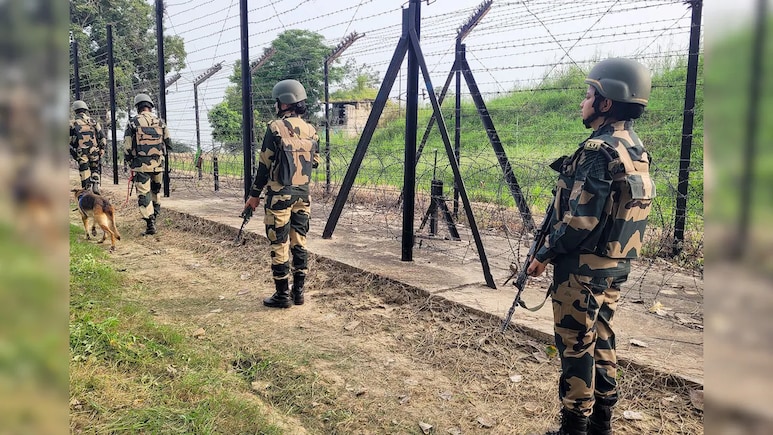
India's eastern frontier with Bangladesh witnessed its most turbulent year in 2025, both in numbers and in narrative.
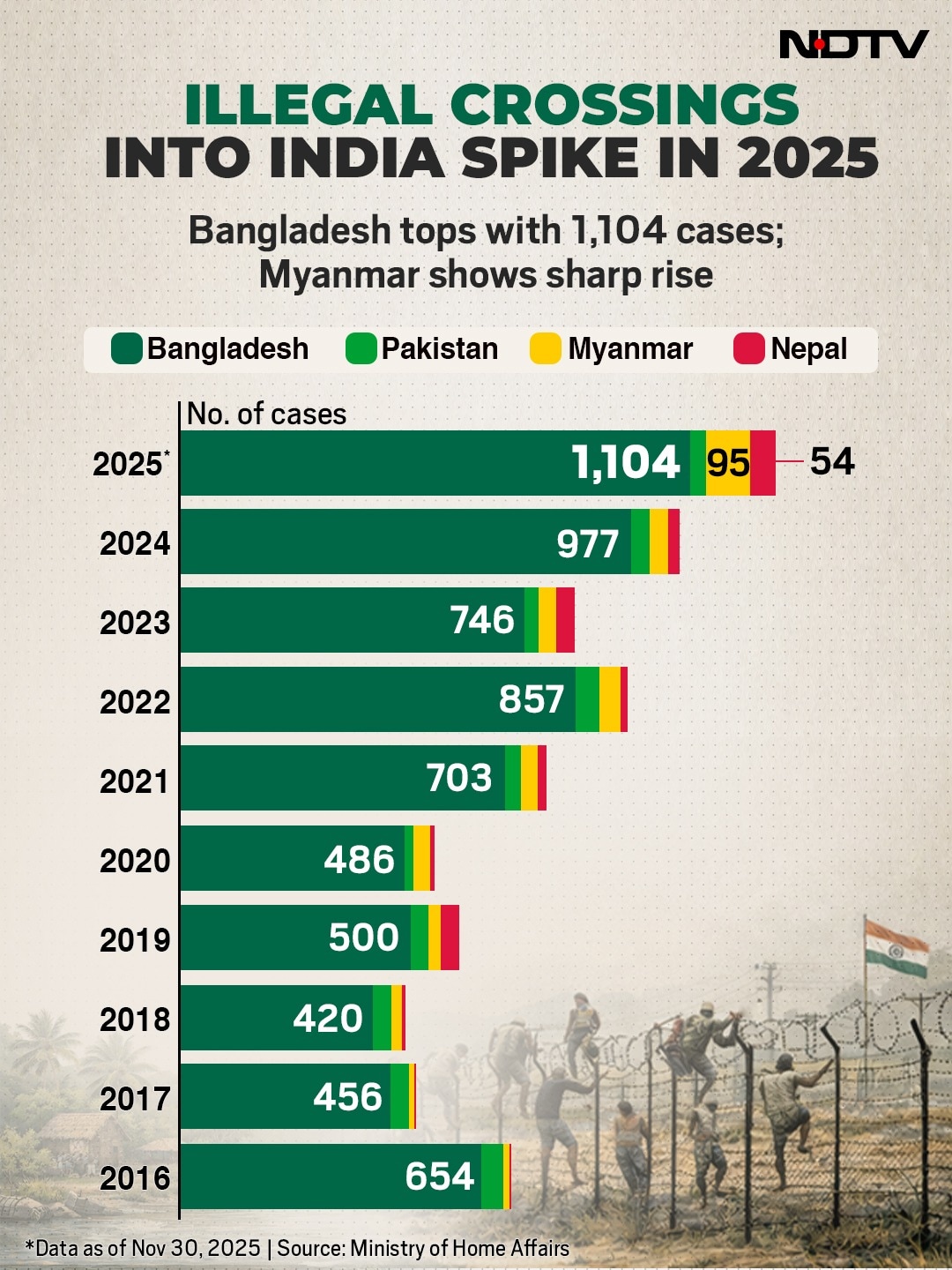
Official data showed 1,104 infiltration attempts detected along the India-Bangladesh border, the highest in nearly a decade and a sharp rise from 977 cases in 2024.
The scale of activity on this front dwarfed detections on other borders was that Pakistan logged 32 infiltration attempt cases, Myanmar 95, and Nepal and Bhutan combined 54, underscoring Bangladesh as the epicentre of India's current border-security challenge.
This spike coincided with political upheaval in Dhaka. After Sheikh Hasina's exit, the interim government grappled with violent protests and attacks on minorities, including Hindus. The lynching of Dipu Chandra Das in Mymensingh triggered anger across India, prompting demonstrations in Kolkata and Siliguri and heating up communal tempers in several districts. In the aftermath, visa services between the two countries were suspended in December-a policy response that both reflected and reinforced tensions at the border.
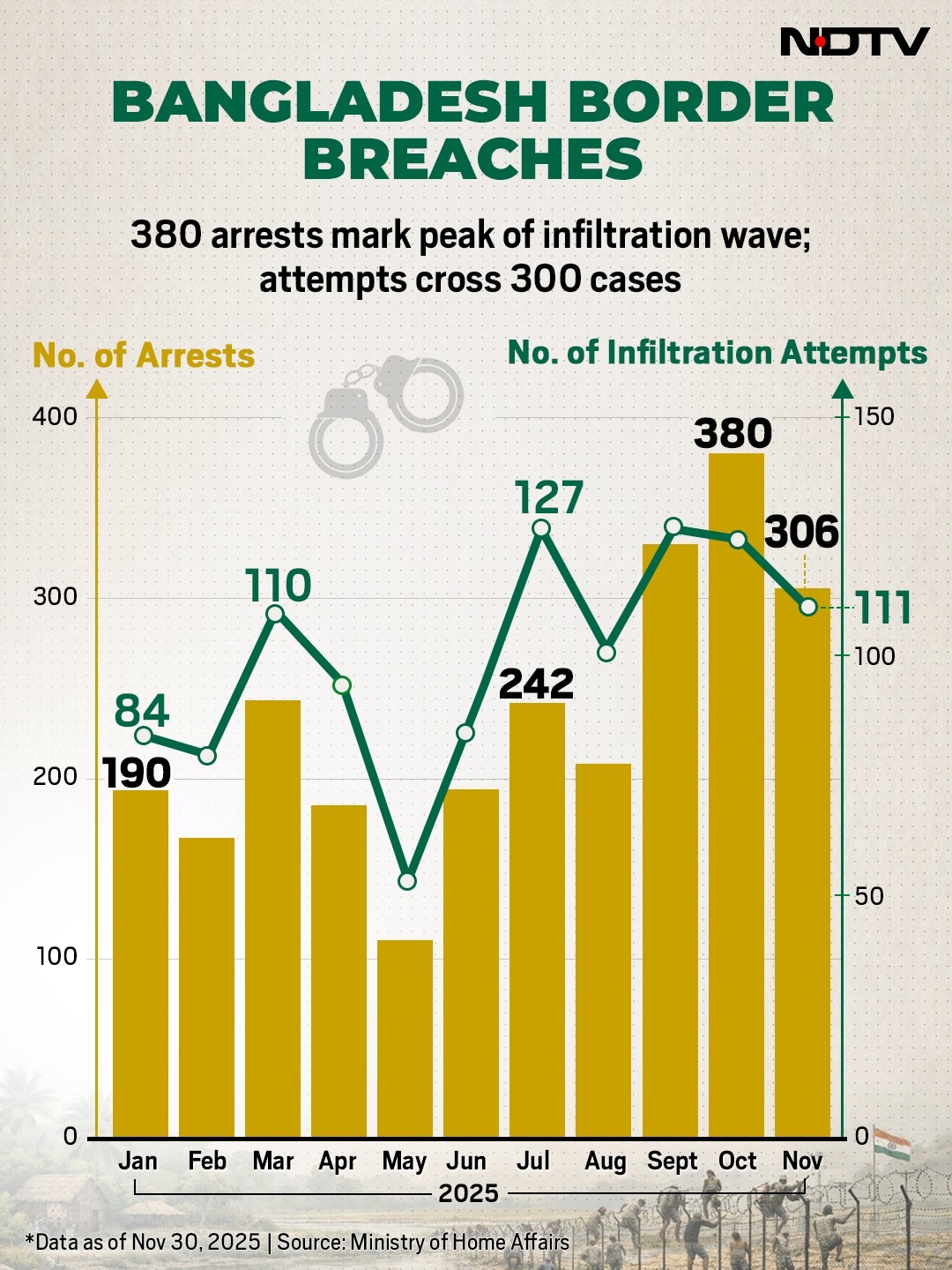
In 2025, Indian agencies detained over 2,550 Bangladeshi nationals attempting illegal entry, with numbers climbing sharply in the second half of the year. October led with 380 arrests, followed by 330 in September and 306 in November, while infiltration attempts remained elevated with 127 in September and 125 in October. The first half of the year was comparatively subdued-monthly arrests ranged between 89 and 110-suggesting that the late-year surge owed as much to desperation and economic stress as to organized smuggling networks taking advantage of instability and porous stretches of terrain.
For West Bengal, the developments are particularly charged. With Assembly polls due by April 2026, parties have sharpened identity-focused campaigns. The Election Commission's Special Intensive Revision (SIR) of voter rolls has unsettled lakhs of residents in border districts such as Nadia, Malda, and North 24 Parganas, where anxieties over citizenship, documentation, and alleged infiltration dominate the local discourse. Communal flashpoints in Murshidabad and protests over Hindu persecution in Bangladesh have further polarized the ground.
Official patterns, according to the data reviewed for this story, suggest that detections tend to rise in election years, including 2016 and 2021, though causality is contested and often muddied by seasonal migration, enforcement drives, and political messaging.
What's Driving the Surge
Multiple factors appear to be converging. Political instability in Bangladesh, sectarian tensions, and economic headwinds have created push factors for movement across the border.
On the Indian side, heightened enforcement, targeted intelligence operations, and pre-election vigilance have increased detections and arrests. Smuggling networks-long entrenched in parts of the border belt-have adapted quickly, exploiting riverine gaps, char islands, and night crossings, while migrants often cite work opportunities, family links, or safety concerns as reasons for attempting entry.
The result is a volatile landscape where security, humanitarian, and political considerations collide. As the West Bengal polls approach, the pressure on enforcement agencies and administrators will intensify, and the rhetoric will likely harden. For policymakers, the challenge is two-fold: safeguard the border with proportionality and avoid conflating communities, particularly by maintaining a clear distinction between Bangladeshi nationals and Rohingya refugees from Myanmar in both policy and public discourse.
Track Latest News Live on NDTV.com and get news updates from India and around the world

