

)
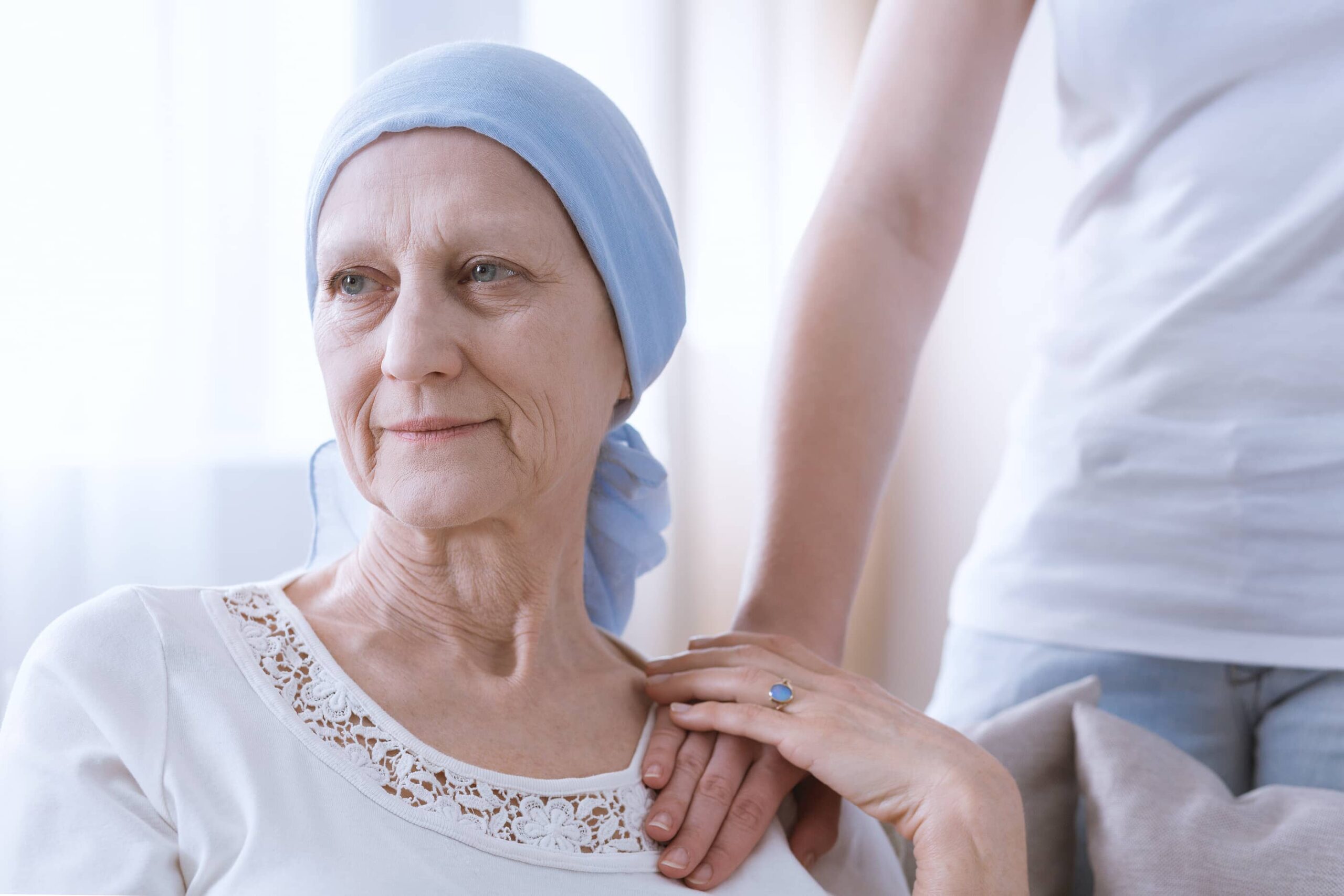
World Cancer Day is a global initiative observed on February 4 each year. It aims to unite the world in raising awareness, improving education, and catalysing personal, collective, and government action against cancer. World Cancer Day is also used as an opportunity to educate the public on early warning signs and symptoms, as many cancers are treatable or curable when detected early. This day also highlights that more than one-third of cancers are preventable through lifestyle changes, such as avoiding tobacco and getting vaccinated. The theme for World Cancer Day 2026 is "United by Unique". This is the second year of a three-year campaign (2025-2027) focused on a people-centred approach to care.
The increase in lifestyle-related cancers in India
Cancer is no longer just a disease of chance or genetics, it is increasingly becoming a disease of the way we live. India has undergone a transformation from infectious diseases and tobacco-related cancers being prevalent as risk factors to having a substantial increase in lifestyle-related cancers, particularly in urban and semi-urban communities.
According to GLOBOCAN 2020 data, India reported over 1.3 million new cancer cases, and this number is expected to rise sharply over the next decade. What is particularly worrying is the increase in cancers linked to lifestyle factors, such as breast, colorectal, prostate, endometrial, pancreatic, and certain head and neck cancers, many of them occurring at a younger age than previously seen.
One of the biggest drivers of this trend is physical inactivity and obesity. India is witnessing a paradox where malnutrition and obesity coexist. Excess body fat leads to chronic inflammation, hormonal imbalance, and insulin resistance, all of which increase cancer risk. Obesity is now a well-established risk factor for breast (post-menopausal), colorectal, endometrial, and pancreatic cancers.
Dietary patterns have also changed dramatically. Increased intake of processed foods, refined carbohydrates, sugar-sweetened beverages, red meat trans-fats; decreased fruit, vegetable and fibre consumption.
Alcohol and tobacco remain major contributors. While tobacco-related cancers continue to be high in India, alcohol consumption-particularly among younger adults-is increasing and is linked to cancers of the breast, liver, oral cavity, and esophagus. The combined use of tobacco and alcohol multiplies cancer risk many times over.
An increase in the number of women delaying childbirth, having fewer pregnancies and breastfeeding for shorter periods of time (particularly among women in urban parts of India) are all contributing to the increased incidence of colorectal and breast cancer in India.
There are currently developing risk factors related to environmental pollution, chronic stress, disrupted sleep patterns and hormone disrupting chemicals (in plastics and cosmetics). More research is needed in these areas.
The good news is that between 30-40% of cancers can be prevented by leading a physically active life, maintaining a healthy weight, eating a balanced diet, not smoking, drinking alcohol only in moderation, managing stress properly and getting enough sleep. In addition to lifestyle changes, early access to screenings for cancer helps improve rates of survival.
This World Cancer Day, India must recognise that fighting cancer is not just about better treatment-it is equally about better lifestyle choices, awareness, and prevention.
(Dr. Meenu Walia -Chairman, Medical Oncology, Max Super Speciality Hospital, Patparganj)
Disclaimer: The opinions expressed within this article are the personal opinions of the author. NDTV is not responsible for the accuracy, completeness, suitability, or validity of any information on this article. All information is provided on an as-is basis. The information, facts or opinions appearing in the article do not reflect the views of NDTV and NDTV does not assume any responsibility or liability for the same.