
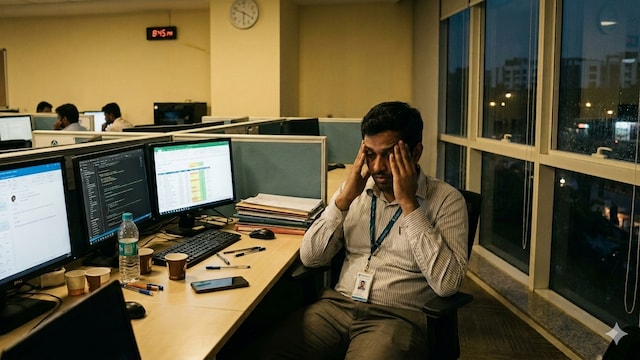
In today's hyper-connected world, the boundary between living and working has blurred. Society has normalised a culture of constant availability, where being overwhelmed is often mistaken for dedication. Office hours do not, and after stepping out of the office, leaving the brain in a perpetual state of high alert. As a result, workplace burnout has become an increasingly prevalent issue. While ordinary stress peaks and subsides, burnout acts like a slow, quiet leak. It drains an individual's vitality so gradually that the profound damage to their health often goes unnoticed until a major crisis occurs. To define, workplace burnout is a state of emotional, physical, and mental exhaustion caused by prolonged and excessive stress. It manifests as feelings of being overwhelmed, drained, and unable to meet constant demands.
According to the World Health Organisation, occupational burnout is characterised by three dimensions:
- Exhaustion: Feelings of severe energy depletion and physical or emotional fatigue.
- Cynicism: Increased mental distance from one's job, accompanied by negative or detached feelings toward work.
- Inefficacy: A reduced sense of professional accomplishment and diminished productivity.
Impact of burnout on health and well-being
Prolonged exposure to unmanaged workplace stress and burnout keeps the body's fight-or-flight response permanently activated. This chronic state damages health in more ways than one:
Silent stress on the heart
Constant release of stress hormones like cortisol and adrenaline quietly strains the cardiovascular system, subtly raising blood pressure and wearing down blood vessels over time. Uncontrolled blood pressure then increases the risk of heart disease.
Sleep issues
Individuals routinely experience chronic insomnia, disrupted sleep cycles, and a total inability to achieve restful sleep, compounding physical exhaustion. The loss of deep, restorative sleep quietly erodes the body's ability to repair its cells and regulate immune function.
Weakened immune system
Burnout lowers the body's natural defences, making individuals highly vulnerable to frequent illnesses like colds, flu, and infections. This can also cause constant fatigue.
Gastrointestinal issues
Stress disrupts the gut-brain axis, leading to chronic stomachaches, ulcers, bowel irregularity, and changes in appetite.
Pains and aches
Persistent muscle tension commonly manifests as frequent tension headaches, migraines, and musculoskeletal back or neck pain.
Poor mental health
Burnout and constant stress can leave a person vulnerable to anxiety, depression, and mood swings. Burnout impairs brain function, resulting in poor concentration, memory gaps, lack of focus, and an inability to make sound professional decisions.
Moreover, the effects of burnout can extend beyond the workplace, affecting personal relationships and overall quality of life.
Burnout is not a sudden crash; it is the slow, quiet wearing away of a person's physical and mental foundation under the guise of everyday routine.
What are the symptoms of burnout?
Burnout symptoms can be divided into three core categories: physical, emotional, and behavioural. Burnout develops gradually, therefore, these warning signs often start small but intensify over time.
Physical symptoms
- Chronic fatigue
- Frequent illness
- Unexplaine pain
- Sleep issues
- Changes in appetite and weight
Emotional symptoms
- Self-doubt
- Cynicism
- Loss of motivation
- Emotional numbness
- Increased irritability
Behavioural symptoms
- Drop in productivity
- Absenteeism
- Isolating from others
- Relying on unhealthy coping mechanisms
Addressing workplace burnout and stress requires both organisational change and individual strategies. Employers can promote a healthier work culture by encouraging open communication, offering flexible schedules, and prioritising employee well-being. Individuals can also take proactive steps to manage their stress levels, such as setting boundaries, practising self-care, and seeking support when needed.
\r\n
\r\n
Disclaimer: This content including advice provides generic information only. It is in no way a substitute for a qualified medical opinion. Always consult a specialist or your own doctor for more information. NDTV does not claim responsibility for this information.