

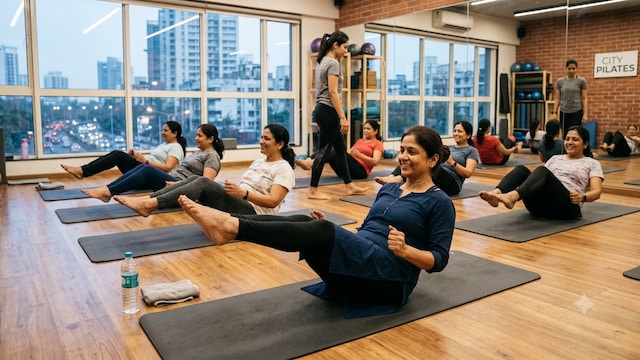
For most women, exercise is the first thing to slip when life gets busy. Between office deadlines, managing the home, and looking after family, that morning walk is easy to skip. One missed workout turns into a few days, and before you know it, physical activity takes a backseat. But does this lack of consistent movement affect your long-term breast health?
Research suggests that women who are physically active tend to have a lower risk of bringing breast cancer than those who are least active. Exercise cannot promise protection, but it is one lifestyle factor women can work on to support their health. The important questions are how much activity is enough and why it may matter.
How much exercise do you need?
The World Health Organization recommends that adults aim for 150-300 minutes of moderate-intensity aerobic activity or 75-150 minutes of vigorous-intensity activity each week. Muscle-strengthening activities are also recommended on at least two days a week.
For women with busy schedules, this target can be broken into manageable sessions. A brisk 30-minute walk on five days a week, for example, meets the lower end of the recommended moderate-activity target.
Practical ways to become more active include:
- Brisk walking: A simple starting point that requires no special equipment.
- Cycling, swimming or dancing: Alternatives for women who prefer different activities.
- Strength training: Include muscle-strengthening activities at least twice a week.
- Everyday movement: Take the stairs, walk during work breaks and interrupt long periods of sitting.
Women who are currently inactive can start with shorter sessions and gradually increase their activity. Consistency matters more than following an elaborate routine that is difficult to maintain.
Why might exercise influence breast cancer risk?
The connection between physical activity and breast cancer involves more than burning calories. Exercise can influence body weight, hormone regulation and other metabolic processes that may be relevant to the development of certain breast cancers.
One important consideration is oestrogen, a hormone involved in the growth of some breast cancers. After menopause, fat tissue becomes an important source of oestrogen. Excess body fat after menopause is associated with a higher risk of certain hormone-sensitive breast cancers.
Regular physical activity can help with weight management and may influence insulin sensitivity and inflammation. Researchers continue to investigate how these biological processes contribute to the relationship between exercise and breast cancer risk.
This does not mean exercise directly removes cancer cells or that one workout offers immediate protection. Any potential benefit is associated with regular activity over time. Breast cancer can also develop in women of any body weight, and lifestyle is only one part of a complex picture.
READ | Breast Density Can Hide Cancer On A Mammogram: What Women Need To Know
Does exercise matter after menopause?
Physical activity is relevant both before and after menopause. After menopause, maintaining a healthy weight becomes particularly important because excess body fat is associated with a higher risk of some hormone-sensitive breast cancers. For younger women, regular movement remains an important part of a healthy lifestyle and may also contribute to lowering risk.
There is no single exercise routine that suits everyone. Age, fitness level and existing health conditions should be considered when choosing an activity. Women who have been inactive for a long time or have medical concerns can seek advice from a healthcare professional before starting a demanding programme.
Can exercise replace breast cancer screening?
No. Even women who exercise regularly can develop breast cancer. Age, family history, inherited genetic changes and reproductive and hormonal factors can also influence risk.
Women should be alert to a new lump or thickening, changes in breast shape or skin, nipple inversion or unusual nipple discharge. These changes do not always indicate cancer, but they should be assessed by a healthcare professional.
Screening recommendations depend on age, personal risk and clinical guidance. Women with a strong family history or known inherited risk may need an individualised assessment. Exercise should complement, not replace, appropriate screening and medical advice.
READ | No Lump, No Symptoms: Routine Check-Up Detects 5mm Breast Cancer In 70-Year-Old
Start small and stay consistent
For women who struggle to find time for exercise, a short walk, taking the stairs or choosing an enjoyable activity can be a useful starting point. Gradually building up activity can make the habit easier to sustain.
The aim is not to follow an extreme workout programme or feel guilty about a missed session. Breast cancer has multiple contributing factors, and developing the disease does not mean a woman has failed to look after her health.
Regular physical activity is one practical step women can take to support their long-term health and may contribute to lowering breast cancer risk. The key is to move consistently, understand personal risk factors and follow appropriate screening advice.
(By Dr. Balaji Ramani, Director of Oncology, Fortis-Gleneagles Chennai)
Disclaimer: The opinions expressed within this article are the personal opinions of the author. NDTV is not responsible for the accuracy, completeness, suitability, or validity of any information on this article. All information is provided on an as-is basis. The information, facts or opinions appearing in the article do not reflect the views of NDTV and NDTV does not assume any responsibility or liability for the same.