

)
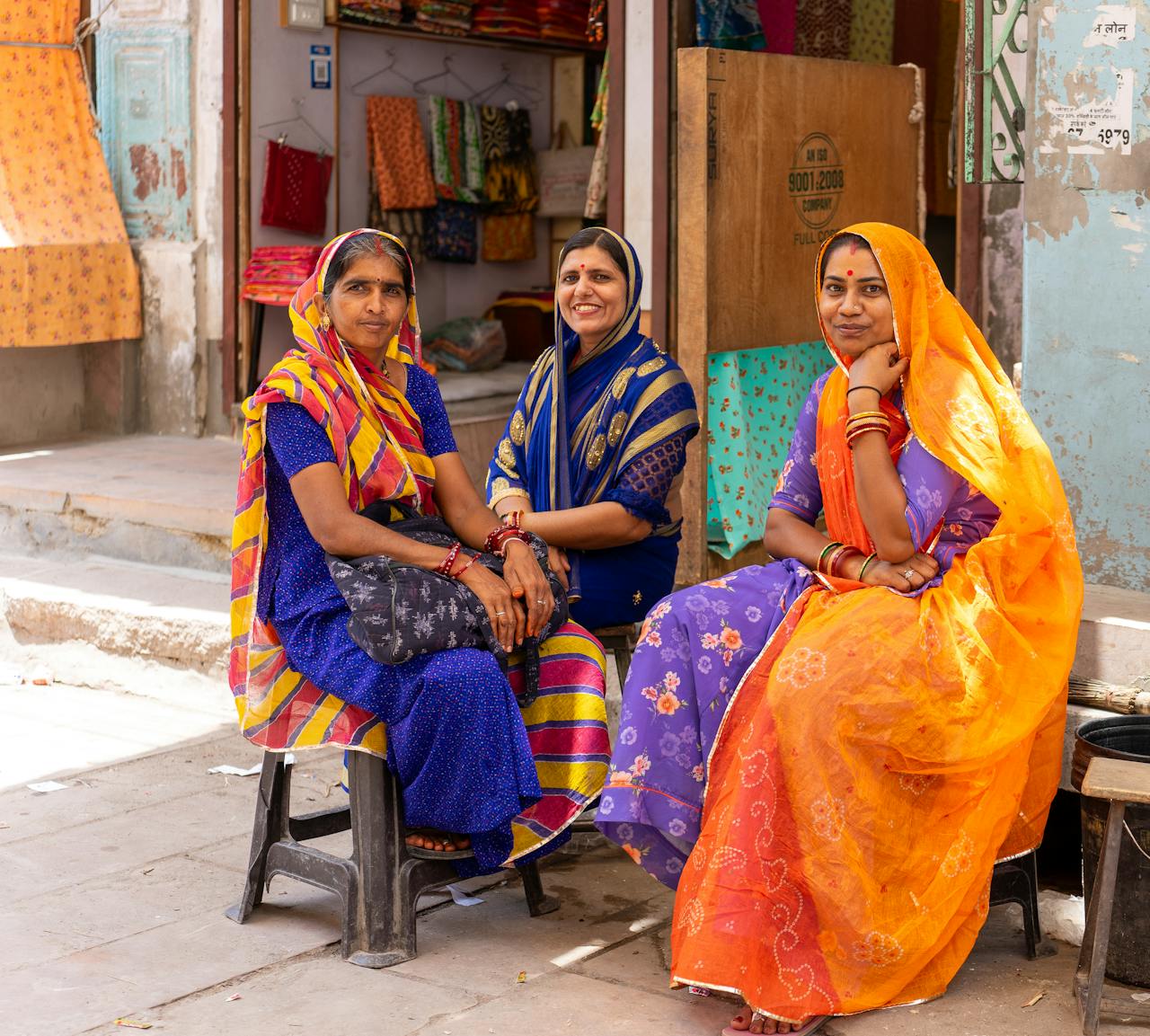
As the creators of life, women's health has been emphasised since ancient times on physical, mental, and spiritual wellbeing. A woman is the foundation of life. Her health is of utmost importance for herself, her family, society, the whole country, and humanity. As we enter the year 2026, women continue to play multifaceted roles, therefore, it becomes extremely important that we consider and address the evolving challenges they face throughout all stages of life, from reproductive and maternal health to lifestyle and preventive care.
What Health Problems Today's Women Face?
The challenges of the present generation of women are varied, from unintended pregnancies, abortions, pre-pregnancy care, pregnancy, and post-pregnancy care, fertility issues, precancerous and cancerous conditions, to menstrual, premenopausal, and menopausal issues. Lifestyle, nutrition, physical activity, screening, and vaccination can have a positive impact on women's health in a huge way. Paying attention to the effect of health education on awareness of contraception remains another important aspect of women's overall well-being.
1. Women's Health During Pregnancy: The First 1000 Days
Although pregnancy is not a disease, a profound alteration in the physiology and anatomy of the body does occur. Therefore, this period calls for close attention to their health, right from conception to two years of age, as it is crucial for the body, brain, metabolism, and immune system of the newborn.
Our sages in ancient scriptures mention that the child's destiny could be shaped even before birth by a mother's diet, thoughts, and environment, as per Charaka Samhita. Aligning that into modern medicine's epigenetics, optimising maternal nutrition prior to pregnancy, including micronutrient adequacy both in the preconception period and during pregnancy, is crucial for later-life health. These first 1000 days (days during pregnancy and the first 2 years of the child's life), hold great importance, as it is the beginning of one's life. Caring for this brief period can lead to a whole lifetime of promise.
2. Lifestyle and Women's Well-Being
The other aspect that needs attention is lifestyle, especially among urban women. Today's sedentary lifestyle leads to sustained poor posture, muscle imbalances with immobilisation, causing restriction of joints, decreased activity, and weight gain. Over time, all of these factors can increase the risk of various health problems such as heart disease, diabetes, and certain cancers.
The challenge here is to become aware of the dangers of a sedentary life and change ourselves to pay attention to and act on the changes required. Small but consistent shifts such as regular physical activity, posture correction, and mindful eating can bring striking improvements in long-term health. Moreover, active parents can often inspire their kids to adopt healthy habits to stay active and do well in life in all aspects. A physically active community encourages its people to lead towards a healthier future and a more productive generation.
3. Delayed Pregnancy: Does it Impact Women's Health in Any Way?
Another aspect is that many women of the present era may delay their pregnancy. Age becomes an increasingly important factor in infertility. Women over age 35 face a higher infertility risk. So, an evaluation by a gynaecologist is important when a decision to delay conception is taken. Attention to nutrition and lifestyle can alter the fertility issues in women with polycystic ovarian syndrome (PCOS). Other risk factors like smoking, alcohol, eating disorders, stress, anxiety, and depression can also negatively affect fertility. Beyond these, pubertal issues, menstrual disorders, sexually transmitted infections, perimenopausal and menopausal issues also need importance and medical guidance to maintain overall well-being.
4. The Role of Vaccination During Formative Years
Vaccination of the girl child, apart from routine vaccination, with HPV vaccination by school/college education campaigns, is also essential. Women in the pre-pregnancy and post-pregnancy periods have a very good opportunity for preventive measures like screening and HPV vaccination, thereby reducing their risk of precancerous and cancerous conditions.
We often see women struggling with health issues silently until late; however, now is the time to really nurture the health of women in our lives. This goes beyond mere disease treatment; it is about empowerment through education, prevention, and wellness-driven living.
(By Dr. Rashmi T. N., Consultant - Obstetrics and Gynaecology, Manipal Hospital Kanakapura Road.)
Disclaimer: The opinions expressed within this article are the personal opinions of the author. NDTV is not responsible for the accuracy, completeness, suitability, or validity of any information on this article. All information is provided on an as-is basis. The information, facts or opinions appearing in the article do not reflect the views of NDTV and NDTV does not assume any responsibility or liability for the same.