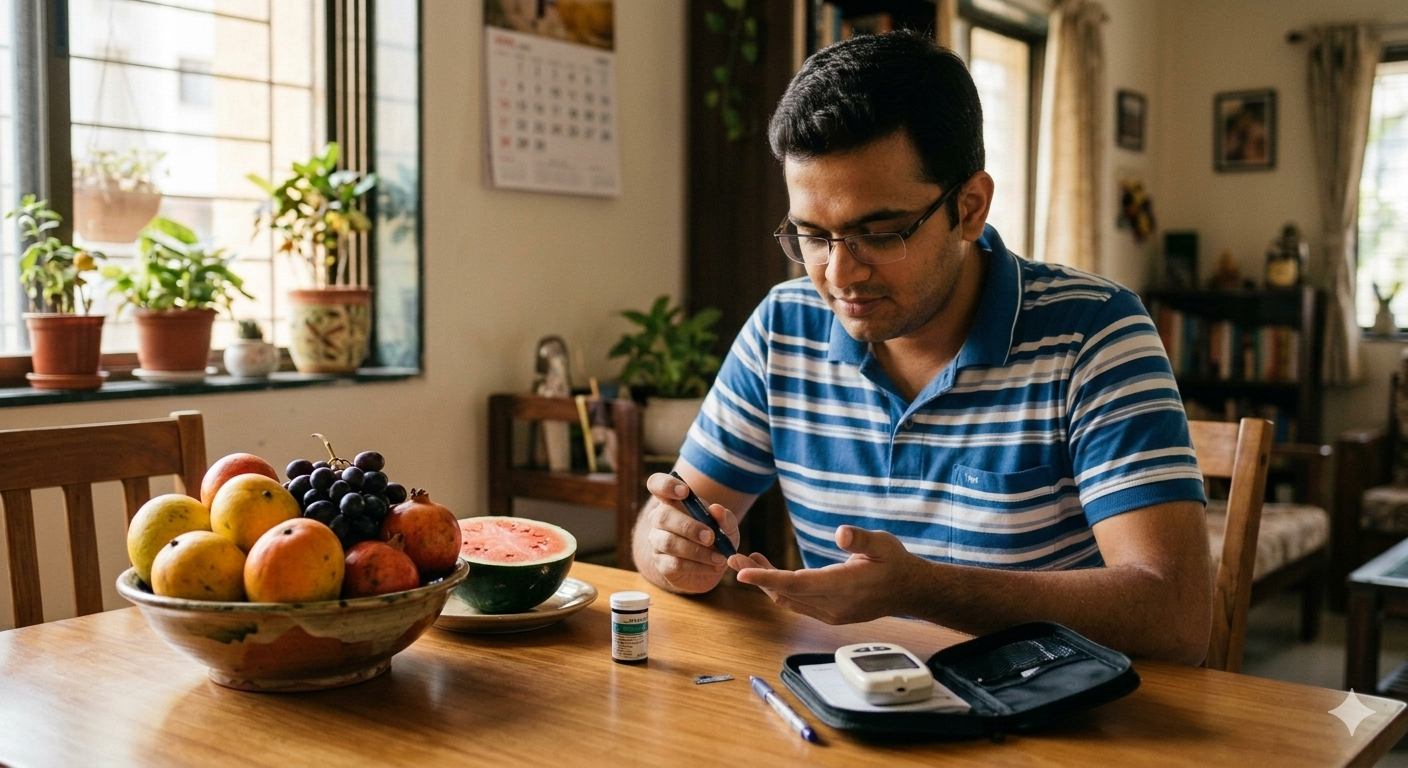
)
It's close to 3:00 PM, and you start to feel dizzy, wondering why this is happening. Is it the dal and rice you had for lunch? Now, you can barely keep your eyes open. You start to yawn and dread an upcoming meeting with your boss, considering grabbing another cup of chai or coffee. By 5:00 PM, you feel hungry again, even though you already had a snack of coffee and toast.
Many people chalk this up to the summer heat, lack of sleep, a heavy workload, or simply getting older. But have you ever considered that your blood sugar might be the real culprit?
The post-lunch slump we commonly experience is your blood sugar responding-often with alarming spikes. It's crucial to pay attention to this.
The science behind what happens when you eat
When you consume a meal containing carbohydrates like roti, rice, or bread, your body begins to break these down into glucose, which enters your bloodstream. In response, your pancreas releases insulin to help move that glucose into your cells for the energy you need. This is the normal process.
The problem arises when your blood sugar levels spike too quickly. This phenomenon is known as a postprandial glucose spike, and it can occur even in individuals who show normal fasting blood sugar levels.
While fasting blood sugar only tells you your levels first thing in the morning, it says nothing about how your body handles food throughout the day. You might be someone with normal fasting levels in the morning but still experience dangerously high blood sugar spikes after meals.
Should I really care if I'm not diabetic?
That's a fair question. However, with our current lifestyle and food choices, post-meal blood sugar spikes can have alarming effects on your body five or ten years down the line.
- You may notice your energy levels crashing more frequently; the post-lunch slump is not just laziness but a reaction to significant blood sugar fluctuations. There's a sharp spike followed by a steep drop. Ideally, we want a flatter blood sugar response to maintain steady energy levels throughout the day.
- You may also experience extreme hunger pangs. Imagine finishing a big meal of dal, roti, and sabji, yet still rummaging through your drawer for snacks. You might think you lack the willpower to stick to your diet, but it's often your blood sugar dropping and hunger hormones kicking in that drive this feeling.
- Inflammation is another concern. In the past, inflammation was typically associated with extreme cases, but now many people show grade 2 or 3 fatty liver, PCOS, or even early signs of heart disease in their blood work. These blood sugar spikes can trigger inflammatory responses in the body, leading to long-term damage and potentially diabetes.
What's the practical solution?
You don't need to invest in expensive tools like continuous glucose monitors or fancy software. Small changes can make a significant difference.
- Focus on protein and fibre-rich vegetables before carbohydrates when preparing your meals. This simple habit can reduce post-meal spikes by nearly 40%. Additionally, adding salad or raita to your meals can make them more wholesome.
- Avoid consuming naked carbohydrates, such as white bread with butter or a plain parantha or bowl of white rice. Instead, include ingredients like paneer, vegetables, eggs, legumes, or curd to enhance your meals.
- One of my favourite tips is to take a walk after eating. Don't think of it as a chore; instead, chat with a friend, call your mom, or simply unwind. This simple yet effective habit helps your muscles absorb glucose without requiring extra insulin.
A small takeaway
You don't need to become overly paranoid about tracking every meal or fearing a diabetes diagnosis. The goal is to develop awareness without striving for perfection. Once you start observing how you eat and your post-meal activities, everything will begin to connect.
Your body is a smart machine that gives you signals about your energy, mood, and hunger. It's time to tune in and act with intention.
Disclaimer: The opinions expressed within this article are the personal opinions of the author. NDTV is not responsible for the accuracy, completeness, suitability, or validity of any information on this article. All information is provided on an as-is basis. The information, facts or opinions appearing in the article do not reflect the views of NDTV and NDTV does not assume any responsibility or liability for the same.