

)
Across social media, inversion tables, devices that tilt users upside down or at an angle, are being touted as a "magic solution" for everything from back pain to age reversal. The most recent person of note to endorse inversion tables (or rather the theory behind it) is Zomato CEO Deepinder Goyal. Talking about new research he is conducting around the Gravity Aging Hypothesis, which is linked to a soon-to-be-launched device reportedly called Temple, Goyal gave an insight into his take on inversion tables. Similar viral posts from around the world claim that simply hanging upside down can undo years of wear on the spine, improve circulation, and slow ageing itself. Yet doctors and physiotherapists caution that these claims go well beyond what the evidence supports.
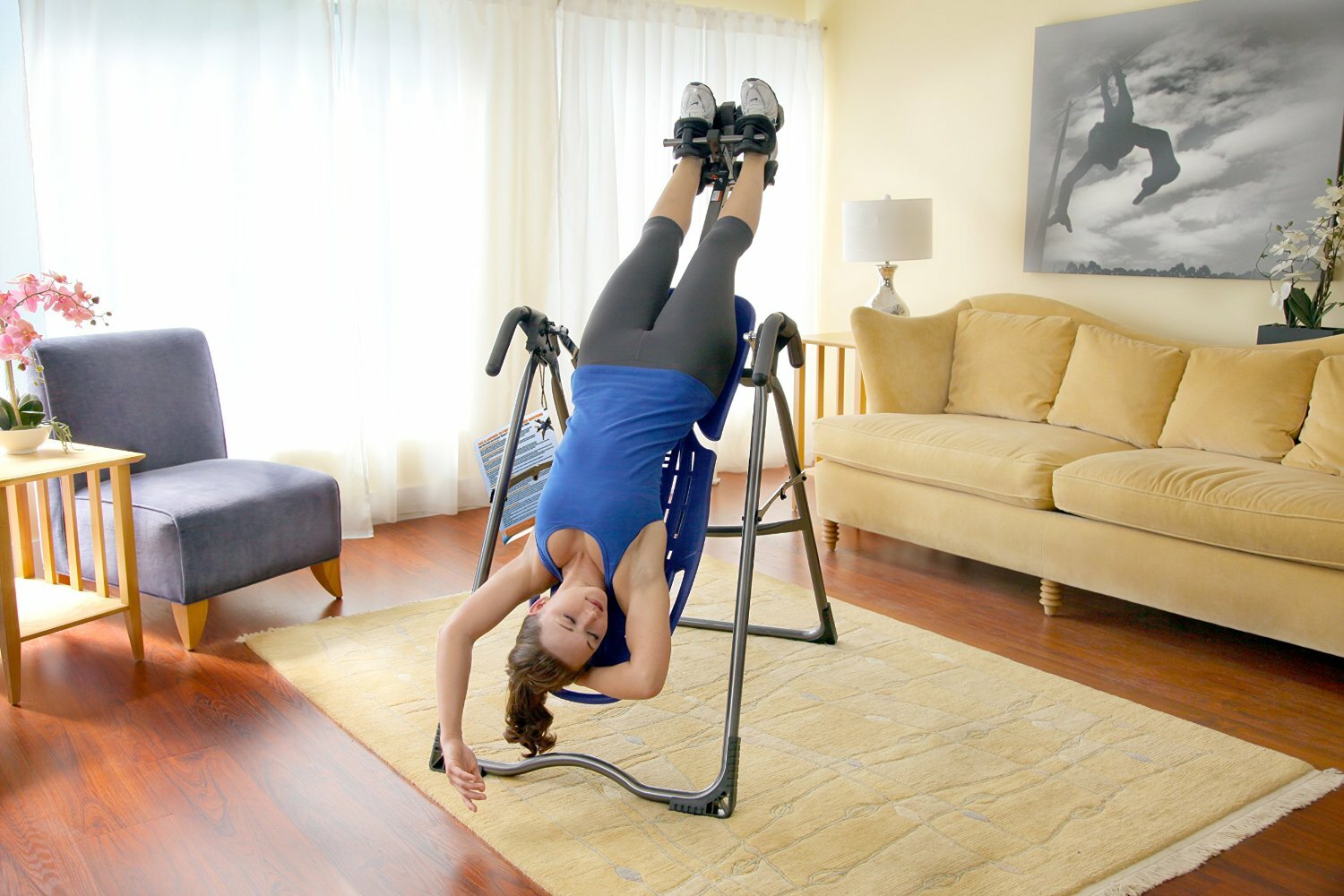
An inversion table is essentially a cushioned plank attached to a frame, allowing a person to use gravity to decompress their spine and stretch muscles. The idea is that by reversing the pull of gravity, tension on discs, nerves and joints may be reduced. While this concept sounds appealing, particularly in a society eager for quick health fixes, the scientific record is far more cautious.
Research shows some short-term benefits for back discomfort and flexibility, but little to no evidence that inversion therapy can reverse ageing or provide long-lasting spinal repair. Understanding what inversion tables can realistically offer, and what they cannot, is key before deciding to use one as part of your health or wellness routine.
What Is An Inversion Table?
An inversion table is a piece of equipment designed to position the body at various angles, from slight tilt to fully upside down, by pivoting around a central axis. When secured by the ankles and slowly tilted, gravity pulls the body in the opposite direction to normal upright posture, creating what is known as inversion therapy. This form of therapy is sometimes referred to as spinal traction or decompression because it briefly reduces pressure on the vertebrae and intervertebral discs in the spine.
What Supporters Claim About Inversion Tables
Advocates of inversion tables often claim that:
- Releasing spinal compression can reduce back pain, improve flexibility, and enhance posture.
- Increased circulation and lymphatic flow can improve joint health, support tissue repair, boost overall wellness.
- Some proponents, those like Deepinder Goyal for example, even suggest that regular inversion can contribute to "age reversal" by improving circulation, reducing stiffness, and unwinding years of gravitational compression.
However, these broader claims lack strong clinical backing.
What The Evidence Actually Shows About Inversion Tables
- Back Pain and Spinal Decompression: There is some evidence that inversion can provide temporary relief for back pain. A small number of studies and clinical observations suggest that inversion therapy may help decrease spinal nerve pressure and provide relief from disc-related discomfort. However, many experts emphasise that the effects are temporary and vary widely among individuals. High-quality, large-scale clinical evidence is still lacking, and many studies have methodological limitations.
- Limited Long-Term Evidence: Major guideline bodies like the American College of Physicians have noted a lack of consistent evidence supporting traction treatments, including inversion, for long-term back pain relief. This means that while some people may feel immediate relief, inversion tables are not proven to fix underlying degenerative changes or reverse ageing processes in the spine.
- No Support for Age Reversal: There is no credible scientific evidence that inversion therapy can reverse ageing. Ageing is a complex biological process involving cellular senescence, hormone changes, inflammation and cumulative wear on tissues. Gravity-related compression is only one of many factors that contribute to stiffness and discomfort over time. While inversion may offer temporary relief from stiffness or pressure, it does not alter the fundamental biology of ageing.
How Inversion Tables Are Thought To Work
The proposed mechanisms behind inversion tables include:
- Spinal decompression: Slight space may open between vertebrae during inversion, reducing pressure on discs and nerves.
- Muscle stretching: Hanging may stretch trunk and back muscles, potentially reducing tension.
- Improved circulation: Reversing position could temporarily enhance blood flow to certain areas.
Proponents argue these effects contribute to improved flexibility and comfort. Yet these are largely short-term physiological responses, not markers of "rejuvenation."
Risks And Safety Considerations For Inversion Tables
Using an inversion table carries significant risks for many people. Inversion increases:
- Blood pressure and pressure in the eyes and head
- Intracranial pressure
- Heart workload
These changes can be dangerous for individuals with certain health conditions, including:
- Hypertension (high blood pressure)
- Heart disease
- Glaucoma or other ocular conditions
- Recent strokes
- Pregnancy
Even for healthy users, inversion tables can pose an injury risk if the ankle locks or supports fail, or if users fall while inverted. Starting with mild angles and brief sessions under supervision is crucial, and medical consultation before trying inversion therapy is strongly advised.
Alternatives With Better Evidence
Rather than relying on inversion tables for back health or "age reversal," experts recommend:
- Regular core-strengthening exercises
- Posture training and ergonomic adjustments
- Stretching and mobility routines
- Weight management and low-impact cardiovascular activity
These approaches have stronger support in clinical research for long-term back health and overall mobility.
Inversion tables, and the dramatic claims circulating online, blend a real physical concept (spinal decompression) with hyperbole about age reversal. Scientific evidence suggests they may provide short-term relief for certain types of back discomfort and improve flexibility temporarily, but they are not supported as a means of reversing ageing or providing long-lasting spine repair. Risks are real, and professional medical guidance is essential before trying inversion therapy. For most people, proven lifestyle strategies and therapeutic exercises remain more reliable paths to long-term comfort and spinal health.
Disclaimer: This content including advice provides generic information only. It is in no way a substitute for a qualified medical opinion. Always consult a specialist or your own doctor for more information. NDTV does not claim responsibility for this information.