

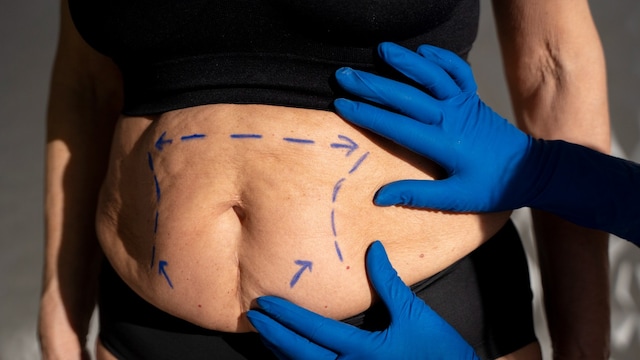
Bariatric surgery was once associated mainly with older patients who had lived with severe obesity for many years. That picture is changing in Indian metabolic clinics. Increasingly, younger adults are presenting with obesity alongside type 2 diabetes, sleep apnea, fatty liver disease, hypertension and joint problems. For some, the discussion about surgery is beginning in their twenties or early thirties.
Obesity is appearing earlier, and its complications are appearing earlier with it. This matters because the decision to consider bariatric surgery is not based on appearance or weight alone. It is based on what excess weight is doing to health and how much risk is likely to accumulate over the years.
Obesity is appearing earlier in life
India's obesity problem has grown alongside major changes in food habits, physical activity and daily routines. The National Family Health Survey (NFHS-5, 2019-21) found that nearly one in four adults in India is overweight or obese. The problem extends across urban and rural populations, with the proportion of overweight and obese adults varying widely between states.
The Indian Council of Medical Research, in a nationwide study published in The Lancet Diabetes & Endocrinology in 2023, estimated that around 35 crore adults over 20 years of age have abdominal obesity, while approximately 25 crore have generalised obesity. Around 21 crore were estimated to have high blood cholesterol.
These numbers describe the scale of the problem, but age matters just as much. When excess body fat begins early, an individual spends a greater part of adult life exposed to its metabolic effects.
Young does not mean low risk
One of the misconceptions surrounding obesity is that younger patients can afford to wait.
A 30-year-old with obesity may still have many years before developing complications, but that does not mean the underlying metabolic risk is absent. Abdominal fat, particularly visceral fat, is associated with insulin resistance and a higher risk of diabetes, cardiovascular disease and other metabolic disorders.
This is particularly relevant in Indian and other South Asian populations, where metabolic complications can develop at lower BMI levels than those traditionally associated with severe obesity in Western populations.
A young person with obesity, elevated blood sugar and fatty liver disease is therefore not simply a younger version of an older patient. The opportunity for intervention comes earlier, when preventing years of disease may still be possible.
BMI matters, but it is not the whole decision
Bariatric surgery is considered within defined clinical parameters. For people in South East Asian populations, individuals with a BMI of 29 or higher along with conditions such as type 2 diabetes, obstructive sleep apnea, osteoarthritis or fatty liver disease may be considered for surgery.
Those with a BMI of 35 or higher may also be considered even without another obesity-related health condition, depending on their overall clinical assessment.
The decision also takes into account how excess weight affects daily life, long-term health risks and the response to previous attempts at weight reduction.
This distinction is important for younger patients. A BMI number does not automatically make someone a surgical candidate. The clinical picture matters.
Why waiting can become expensive for health
Obesity rarely remains confined to weight.
Type 2 diabetes can progress. Blood pressure can rise. Sleep apnea can affect sleep quality and daytime functioning. Fatty liver disease can worsen. Joint problems can make physical activity increasingly difficult, which can then contribute to further weight gain.
The cycle can become difficult to break.
Metabolic surgery is therefore considered for selected patients when lifestyle measures and other treatments have not produced adequate or sustained results, particularly when obesity is already affecting health.
The objective is not simply to make a patient lighter. The medical objective is to reduce metabolic risk and improve conditions associated with obesity.
Surgery changes metabolism as well as weight
Procedures such as sleeve gastrectomy and gastric bypass work through several mechanisms. They reduce stomach capacity, but their effects extend to appetite regulation, gut hormones and glucose metabolism.
This helps explain why blood sugar can improve soon after surgery, sometimes before substantial weight loss has occurred. Some patients with type 2 diabetes require fewer medicines after surgery, while others may achieve significant improvement in glycaemic control.
The STAMPEDE trial, published in The New England Journal of Medicine, found that patients with obesity and type 2 diabetes who underwent gastric bypass or sleeve gastrectomy achieved better glycaemic control and weight loss than those receiving medical therapy alone.
Long-term findings from the ARMMS-T2D study, published in JAMA, followed patients for more than 12 years. Those who underwent metabolic surgery maintained around 20 percent average weight loss over several years, while more than half achieved HbA1c levels below 7 percent during long-term follow-up.
These findings are relevant when considering younger patients because treatment at an earlier stage of disease may reduce the number of years spent living with uncontrolled metabolic conditions.
The decision should not be reduced to age
A 28-year-old should not undergo bariatric surgery simply because weight has become difficult to manage. Age alone is neither an indication nor a contraindication.
The more meaningful questions are whether obesity is severe or persistent, whether related conditions have developed, how previous treatment has worked, and what the long-term health consequences are likely to be.
A young patient with obesity who has already developed diabetes, sleep apnea or fatty liver disease may face a very different clinical situation from another person of the same age and BMI without these complications.
That is why assessment needs to go beyond the weighing scale.
Earlier treatment requires greater responsibility
Bariatric surgery can provide a strong medical intervention, but it does not remove the need for long-term care. Nutrition, adequate protein intake, physical activity, vitamin and mineral supplementation and regular follow-up remain necessary.
For younger adults, this long-term commitment is particularly important because surgery may be followed by several decades of life. The aim should be sustained metabolic health rather than rapid weight reduction alone.
India's growing obesity burden means that bariatric surgery will increasingly be discussed with younger patients. That does not mean surgery should become the default response to obesity. It means the age at which metabolic disease becomes clinically significant is changing, and treatment decisions need to recognise that reality.
For a young adult already living with obesity-related disease, waiting for another decade of complications before considering effective treatment may carry its own health cost. The appropriate time for intervention is ultimately determined by clinical risk, not by the number of birthdays a patient has had.
(By Dr. Ashish Gautam, Principal Director, Robotic and Laparoscopic Surgery, Max Super Speciality Hospital, Patparganj, New Delhi)
Disclaimer: The opinions expressed within this article are the personal opinions of the author. NDTV is not responsible for the accuracy, completeness, suitability, or validity of any information on this article. All information is provided on an as-is basis. The information, facts or opinions appearing in the article do not reflect the views of NDTV and NDTV does not assume any responsibility or liability for the same.