

)
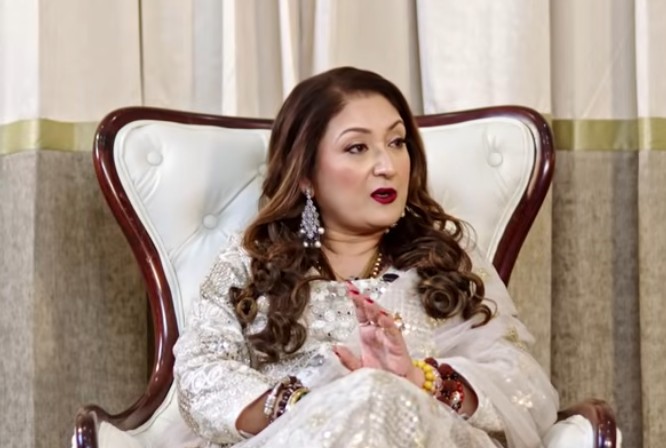
Sunita Ahuja, Actor Govinda's wife, has revealed that health concerns prompted her to voluntarily exit Lock Upp 2. While speaking to the hosts, she shared that her diabetes was not under control and that she had been experiencing anxiety, chest pain and difficulty breathing while going through menopause. Although Ahuja said she is feeling better after leaving the show, her experience has brought attention to an important question: Can menopause really cause anxiety and chest discomfort? According to experts, the answer is yes, but there is an important caveat. While hormonal changes during menopause can trigger anxiety, palpitations and a feeling of chest tightness, chest pain should never be assumed to be caused by menopause without proper medical evaluation, as it could also indicate a heart problem.
"Estrogen is not just a reproductive hormone. It also influences brain neurotransmitters, the autonomic nervous system and blood vessel function. As estrogen levels fluctuate during menopause, some women may suddenly experience anxiety, a racing heartbeat, chest tightness, breathlessness or even panic attacks. These symptoms can be so intense that they are often mistaken for a heart attack," explains Dr. Deepti Sharma, Professor & Head, Obstetrics & Gynaecology, Amrita Hospital, Faridabad.
Can Menopause Trigger Anxiety And Chest Pain?
According to Dr. Isha Wadhawan, Consultant, Obstetrics and Gynaecology, Fortis Hospital, Faridabad, fluctuating hormone levels during perimenopause and menopause can affect both emotional and physical health. "Sunita Ahuja's recent health scare has sparked conversations around menopause and its lesser-known symptoms. While anxiety and chest pain can occur during menopause, they should never be dismissed without medical evaluation, as they may also signal underlying heart conditions," she says.
Also read: NDTV Lifeline X Women's Health: Expert Says Hormones Have A Lifelong Impact
She explains that declining and fluctuating estrogen levels influence the nervous system as well as cardiovascular function. Also, Dr. Wadhawan adds that diabetes can also contribute to anxiety, both directly and indirectly. Fluctuating blood sugar levels, particularly episodes of hypoglycaemia, can trigger symptoms such as palpitations, sweating, tremors, and anxiety that may resemble panic attacks. Additionally, living with a chronic condition like diabetes can increase the risk of anxiety disorders, making a comprehensive medical evaluation essential.
Why Hormonal Changes Affect The Body
During menopause, estrogen levels begin to decline, affecting several organs and body systems. Dr. Wadhawan says, "During perimenopause and menopause, fluctuating estrogen levels can affect the nervous system and cardiovascular function. Many women experience anxiety, palpitations, hot flashes, breathlessness, and a sensation of chest tightness. Panic attacks associated with menopause may mimic heart-related symptoms, leading to understandable concern." Because these symptoms closely resemble those of heart disease, many women struggle to distinguish between the two.
When Chest Pain Needs Immediate Medical Attention
Experts stress that chest pain should never be self-diagnosed as a menopausal symptom. "Chest pain is not a symptom to self-diagnose as menopause. Women, particularly those above 45 years or with risk factors such as diabetes, hypertension, obesity, smoking, or a family history of heart disease, should seek immediate medical attention to rule out cardiac causes," says Dr. Wadhawan, adding that emergency care is necessary if chest pain is accompanied by:
- Sweating
- Pain spreading to the arm, shoulder or jaw
- Persistent breathlessness
- Dizziness or fainting
These may be signs of a heart attack or another serious cardiovascular condition.
Managing Menopause-Related Anxiety
Once serious medical conditions have been ruled out, menopause-related anxiety can usually be managed successfully. According to Dr. Wadhawan, treatment may include:
- Regular physical activity
- Stress management techniques
- Cognitive behavioural therapy (CBT)
- Good-quality sleep
- A balanced diet
- Menopausal hormone therapy (when medically appropriate)
Limiting caffeine, alcohol and smoking, which can worsen palpitations and anxiety. The right treatment depends on a woman's overall health, symptoms and medical history.
Every Woman Experiences Menopause Differently
Menopause does not affect all women in the same way. "Some women may experience predominantly emotional symptoms, while others notice physical changes that overlap with cardiac or respiratory complaints. Open communication with a gynaecologist can help identify whether symptoms are related to hormonal changes or require further evaluation by a cardiologist or physician," says Dr. Wadhawan. Some women primarily experience mood changes and anxiety, while others may struggle with hot flashes, sleep disturbances, joint pain or cardiovascular symptoms.
Don't Ignore Persistent Symptoms
Doctors advise women not to dismiss persistent anxiety, chest discomfort or breathing difficulties as "just menopause." Early medical evaluation helps distinguish hormonal symptoms from potentially serious conditions such as heart disease, lung disorders or uncontrolled diabetes. Sunita Ahuja's candid disclosure highlights an often-overlooked aspect of menopause its impact on both mental and physical health.
Anxiety, palpitations and chest tightness can occur as estrogen levels fluctuate, but experts emphasise that chest pain should always be treated as a potentially serious symptom until a cardiac cause has been ruled out. Dr. Wadhawan concludes that early evaluation not only ensures timely treatment if a heart condition is present but also provides reassurance and appropriate management if symptoms are related to menopause.
Disclaimer: This content including advice provides generic information only. It is in no way a substitute for a qualified medical opinion. Always consult a specialist or your own doctor for more information. NDTV does not claim responsibility for this information.