

)
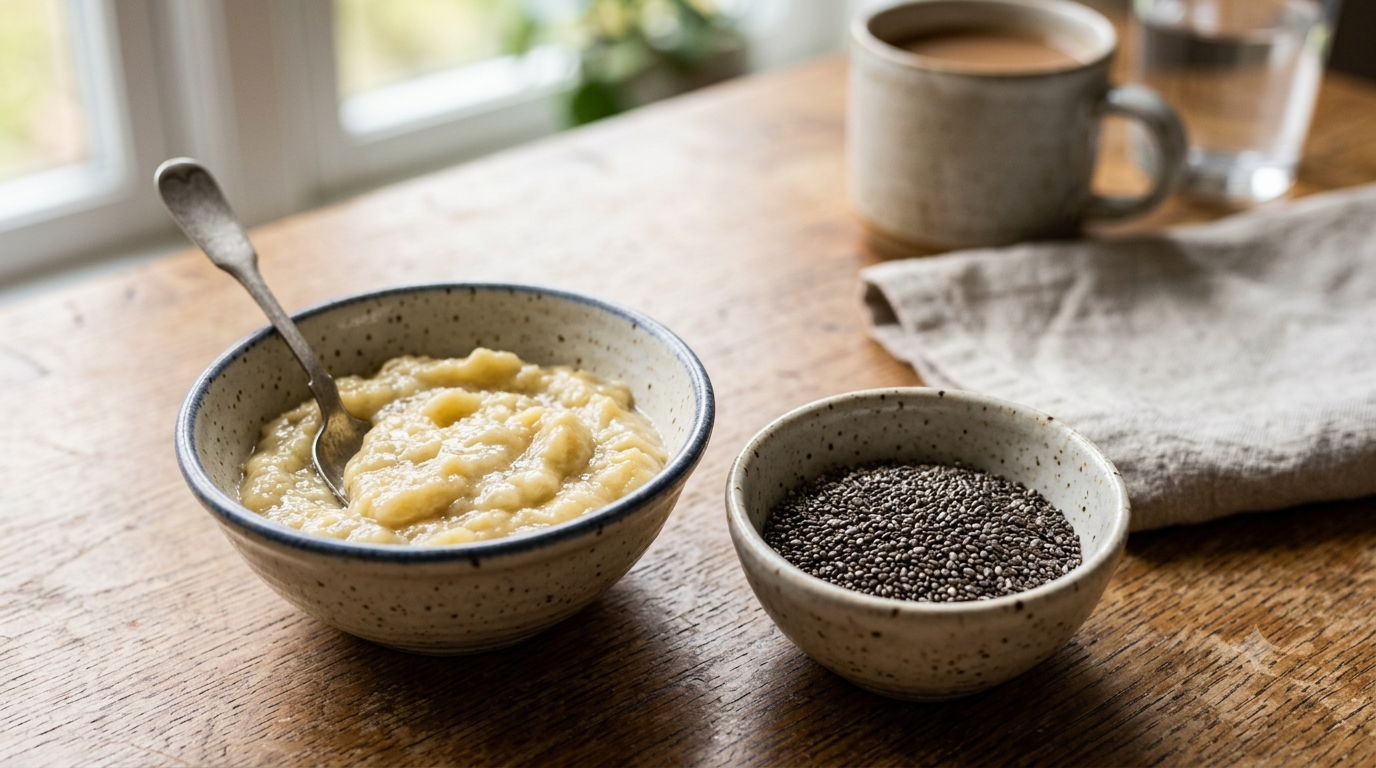
From mashed banana hair masks to chia seed gels, social media is overflowing with DIY remedies that promise stronger, shinier hair and a healthier scalp. Influencers often claim that ingredients sitting in your kitchen can reduce hair fall, moisturise the scalp, and even stimulate hair growth, making these natural treatments increasingly popular. While some of these foods are packed with nutrients that support overall hair health, dermatologists say it's important to separate fact from fiction. Although natural ingredients may temporarily improve the appearance and feel of your hair, they are unlikely to treat underlying scalp conditions or reverse hair loss on their own. "Bananas contain potassium, natural sugars, and antioxidants that may temporarily improve hair softness and hydration, while chia seeds are rich in omega-3 fatty acids, protein, and antioxidants," says Dr. Pankhuri Dudani, Consultant, Department of Dermatology, Amrita Hospital, Faridabad. However, she emphasises that healthy hair starts with a healthy scalp, and that requires much more than viral DIY recipes.\
Can Bananas Really Improve Hair Health?
Bananas are often used in homemade hair masks because of their creamy texture and nutrient content. They contain potassium, vitamin B6, vitamin C, and natural sugars that can help moisturise dry hair strands. When applied as a hair mask, mashed banana may leave hair feeling softer and smoother for a short period. However, there is no strong scientific evidence to suggest that banana masks promote hair growth or prevent hair from falling. Their primary benefit is cosmetic rather than therapeutic.
Also read: Hair Fall To Brain Fog: Doctor Shares Simple Changes To Prevent Major Health Issues
What About Chia Seeds?
Chia seeds have earned a reputation as a superfood because they are rich in omega-3 fatty acids, protein, fibre, and antioxidants. These nutrients support overall health and may contribute to healthier hair when consumed as part of a balanced diet. Some people also use chia seed gel as a natural hair mask, claiming it hydrates the scalp and reduces frizz. "Most nutrients are absorbed much more effectively through a healthy, balanced diet than through topical application on the scalp," explains Dr. Dudani.
A Healthy Scalp Is The Foundation Of Healthy Hair
According to Dr. Dudani, maintaining the scalp's natural skin barrier is far more important than following viral home remedies. A healthy scalp creates the right environment for normal hair growth. However, common conditions such as dandruff, androgenetic alopecia (pattern hair loss), fungal infections, psoriasis, and other inflammatory scalp disorders require proper medical diagnosis and evidence-based treatment. Research published in the journal Life also highlights that hair disorders should be treated based on their underlying cause rather than relying solely on home remedies.
Can DIY Hair Masks Cause Problems?
Natural ingredients are not automatically risk-free. Some homemade masks may trigger:
- Scalp irritation
- Allergic reactions
- Itching
- Contact dermatitis
Difficulty washing out sticky ingredients
Bananas, yoghurt, honey, eggs, and oils may also leave residue on the scalp if not cleaned properly, potentially worsening irritation in some individuals. Dr. Dudani advises performing a patch test before applying any homemade remedy to the scalp, especially for people with sensitive skin or existing scalp conditions.
When Natural Remedies May Help
Natural hair masks can still have a place in a hair care routine, particularly for people with dry or damaged hair. "They may be used occasionally as conditioning treatments, provided they do not cause irritation," says Dr. Dudani. Ingredients such as yoghurt, honey, banana, or aloe vera may temporarily improve hair softness, reduce frizz, and provide hydration to the hair shaft. However, they should not replace scientifically proven treatments for scalp diseases or hair loss.
Also read: Dandruff Can Trigger These 4 Scalp Problems: Easy Prevention Tips That Actually Work
When Should You See A Dermatologist?
Ignoring persistent scalp symptoms while relying on DIY remedies can delay appropriate treatment. Consult a dermatologist if you experience:
- Persistent itching
- Excessive hair shedding
- Dandruff that doesn't improve
- Painful scalp inflammation
- Scaling
- Bald patches
- Sudden hair thinning
Early diagnosis can help identify conditions such as nutritional deficiencies, hormonal disorders, fungal infections, autoimmune diseases, or genetic hair loss before they worsen. Natural ingredients like bananas and chia seeds contain nutrients that support overall health and may temporarily improve hair texture when used as hair masks. However, there is little scientific evidence to show that applying them directly to the scalp can stimulate hair growth or effectively treat dandruff or hair loss. "The foundations of healthy hair remain a nutritious diet, adequate protein intake, gentle scalp care, accurate diagnosis, and scientifically proven treatments whenever required," says Dr. Dudani. While DIY hair masks can be a fun addition to your self-care routine, they should complement, not replace, evidence-based hair and scalp care
Disclaimer: This content including advice provides generic information only. It is in no way a substitute for a qualified medical opinion. Always consult a specialist or your own doctor for more information. NDTV does not claim responsibility for this information.