

)
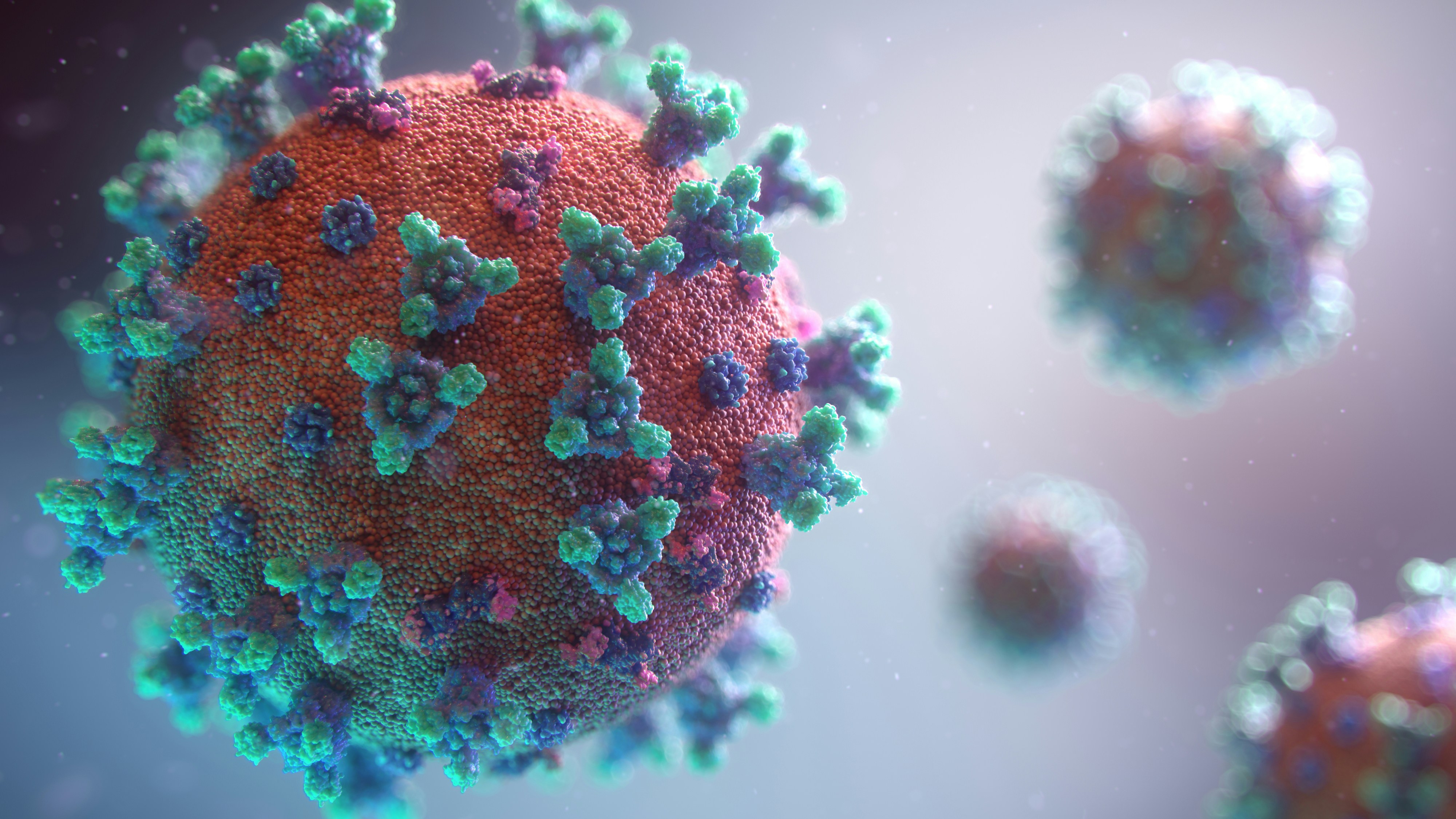
Researchers and medical experts have long tried to understand why some viruses remain harmless in animals while others jump to humans and cause serious diseases. A new study by researchers from the University of California, San Francisco (UCSF), and other institutions has found some answers. Researchers have found that a very small genetic change in severe acute respiratory syndrome coronavirus 2 (SARS-CoV-2) can change how the virus behaves in different species. Their findings provide important insights into how animal viruses adapt to humans and potentially trigger outbreaks.
The study, published in Cell Host & Microbe, compared SARS-CoV-2, the virus responsible for COVID-19, with RaTG13, a closely related coronavirus found in bats. Although these two viruses are genetically very similar, they affect their hosts in different ways. By examining how the viruses interact with immune systems in both human and bat cells, researchers found that a single genetic mutation can determine whether a virus remains confined to animals or becomes capable of infecting humans and causing severe disease.
Comparing Human and Bat Coronaviruses
To better understand the differences between the two viruses, scientists studied how SARS-CoV-2 and RaTG13 behave inside lung cells. The study was possible because scientists developed the first laboratory-grown lung cell line from the greater horseshoe bat, one of the species known to carry coronaviruses.
The researchers focused on a viral protein called OrfB9. This protein plays an important role in how the virus interacts with the host's immune system. Surprisingly, the OrfB9 proteins in SARS-CoV-2 and RaTG13 are almost identical. Out of nearly 100 amino acids that make up the protein, only one amino acid is different. Despite this tiny variation, the impact on the virus's behaviour was significant.
Tiny Change With Big Effects
In human lung cells, the version of OrfB9 found in SARS-CoV-2 was able to suppress an important immune defence system. Usually, this immune system acts as an alarm, warning the body about viral invasion and helping fight the infection. By shutting down this alarm system, SARS-CoV-2 could multiply more efficiently inside human cells.
In contrast, the RaTG13 version of OrfB9 behaved differently in bat lung cells. Instead of suppressing immunity, it activated a protective immune protein that helped keep the virus under control. This response prevented the virus from causing extensive damage in bats.
These findings highlight that even a single change in a virus's genetic code can completely alter how it interacts with different hosts.
Spillover Events
Scientists use the term "spillover" to describe the process by which a virus moves from animals to humans. Many infectious diseases, including COVID-19, SARS, and MERS, are believed to have originated in animals before spreading to people.
The new study suggests that extremely small genetic changes may determine whether a virus is able to cross species barriers. A virus that is harmless in bats may become dangerous to humans after acquiring only a tiny mutation.
Understanding these differences is important because it may help researchers identify potentially dangerous animal viruses before they spread among humans.
Nevan J. Krogan, PhD, director of QBI and senior author of the study, said, "The difference between a virus that stays in bats and one that spills over into humans and causes catastrophic disease can come down to remarkably small genetic changes. By mapping these interactions at the protein level -- across two viruses and two species -- we can read the molecular signatures that predict spillover risk. It's the kind of early warning system the world needs."
Building An Early Warning System
The researchers believe that mapping how proteins interact with the immune systems of different species could serve as an early warning system for future pandemics. By studying the viruses that are circulating in wildlife, scientists may be able to identify genetic features that increase the risk of human infection. This could eventually improve global disease surveillance and allow health authorities to prepare for emerging threats effectively.
Disclaimer: This content including advice provides generic information only. It is in no way a substitute for a qualified medical opinion. Always consult a specialist or your own doctor for more information. NDTV does not claim responsibility for this information.