

)
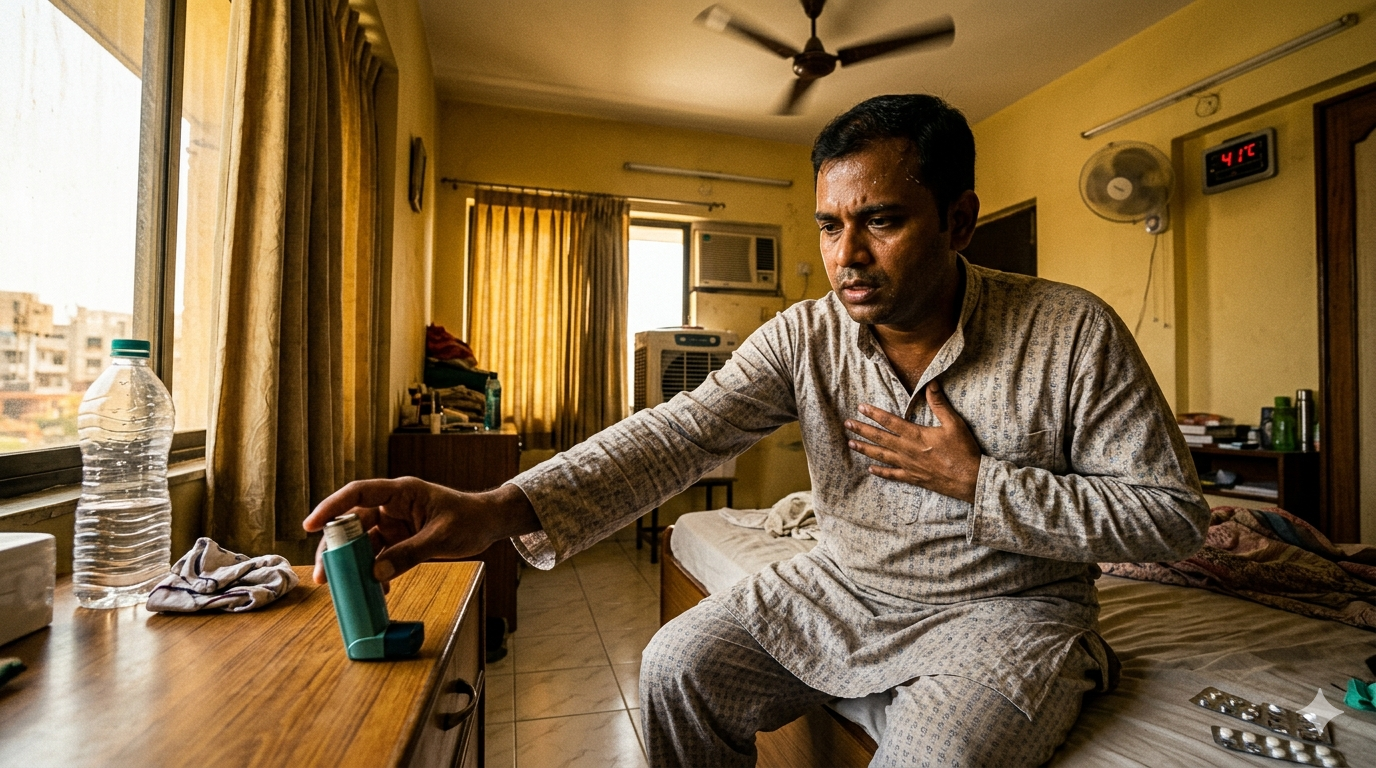
As the monsoon begins to withdraw and the weather shifts towards autumn, many people experience a rise in cough, cold, wheezing and breathing discomfort. The September-October period can bring sudden changes in temperature, humidity, airborne allergens and pollution levels, creating a challenging environment for the lungs. People with asthma, chronic obstructive pulmonary disease (COPD), allergies and other respiratory conditions may be particularly vulnerable during this seasonal transition. However, even people without an existing lung condition can develop respiratory infections when viruses circulate and air quality deteriorates. A study published in Lung India found that respiratory illnesses in India follow seasonal patterns, with asthma showing a higher proportion of cases during autumn than summer. The researchers also identified factors such as mould exposure, recent travel, and rain-wetting as being associated with respiratory symptoms. So, why can September and October be difficult for the lungs, and what can you do to protect your respiratory health?
Why Can September-October Affect Lung Health?
The transition from monsoon to autumn brings several changes that can irritate the respiratory system.
1. Sudden Changes In Temperature
The temperature may fluctuate between hot afternoons and cooler mornings or evenings. These sudden changes can irritate sensitive airways and may trigger coughing, wheezing or chest tightness in some people with asthma. Cold air can also cause the airways to narrow in susceptible individuals, making breathing more difficult.
2. Increased Humidity And Mould
During and after the monsoon, damp walls, wet furniture, poorly ventilated rooms and water leakage can encourage mould growth. Mould spores can act as allergens and may trigger asthma symptoms, allergic rhinitis or breathing discomfort. People living in damp homes should pay particular attention to visible mould and musty smells.
3. Viral Respiratory Infections
Seasonal changes often coincide with the circulation of respiratory viruses. A viral infection such as the common cold or influenza may cause cough, sore throat, fever and fatigue. For people with asthma, a viral infection can also inflame the airways and trigger an asthma flare-up. Respiratory infections are recognised as common triggers for asthma attacks, particularly during the rainy season.
4. Pollution And Dust
In Delhi-NCR and other urban areas, air pollution can become an additional concern as the weather changes. Dust, smoke, fine particulate matter and other pollutants can irritate the airways and worsen existing respiratory conditions. As winter approaches, pollution may become trapped closer to the ground during certain weather conditions. This can increase exposure among people who spend long periods outdoors.
Who Is More Vulnerable?
Although seasonal respiratory problems can affect anyone, some groups have a higher risk of complications. These include:
- People with asthma or COPD
- Older adults
- Young children
- Pregnant women
- People with diabetes or heart disease
- Smokers
- Individuals with weakened immunity
- People exposed to dust, smoke or workplace chemicals
People who already use inhalers or other respiratory medicines should not stop treatment simply because symptoms improve. Asthma treatment should be reviewed with a doctor before making any changes.
How To Protect Your Lungs During The Seasonal Change
Keep Indoor Spaces Dry And Well Ventilated
Check your home for damp walls, water leakage and mould. Clean affected areas safely and improve ventilation wherever possible. Avoid sleeping in rooms with visible mould or a strong damp smell. Air conditioners and coolers should also be cleaned regularly to prevent the circulation of dust and fungal particles.
Monitor Air Quality
Check the air quality before exercising or spending extended periods outdoors. On days when pollution levels are high, avoid strenuous outdoor workouts and consider exercising indoors. People with asthma or other chronic lung conditions should be especially careful during pollution spikes.
Avoid Smoke, Dust And Strong Fragrances
Cigarette smoke, incense, mosquito coils, traffic fumes, construction dust and strong chemical fragrances can irritate the airways. Avoid smoking and stay away from second-hand smoke. If you must work in a dusty environment, use suitable protective equipment and follow workplace safety guidelines.
Wear A Mask When Necessary
A well-fitting mask may help reduce exposure to dust, pollution, pollen and other airborne irritants when outdoors. It can be particularly useful during poor air quality days, construction activity or crowded public transport. However, a mask does not replace prescribed asthma treatment or medical care.
Continue Prescribed Asthma Medication
People with asthma should keep their prescribed inhalers accessible and follow their written asthma action plan, if they have one. Do not increase or reduce the dose without medical advice. If you are using a reliever inhaler more frequently than usual, waking up at night because of breathing difficulty or struggling with routine activities, consult a pulmonologist.
Maintain Hand Hygiene
Wash your hands regularly, especially after travelling, using public transport or being in crowded places. Avoid close contact with people who have fever, cough or other signs of respiratory infection. Good ventilation and staying home when unwell can also reduce the spread of respiratory viruses.
Stay Hydrated And Eat A Balanced Diet
Adequate hydration helps maintain normal mucus clearance and prevents the throat from becoming excessively dry. Include seasonal fruits, vegetables, whole grains and adequate protein in your diet. There is no single food that can prevent lung infections, but balanced nutrition supports overall immune function.
Discuss Vaccination With Your Doctor
Ask your healthcare provider whether you need seasonal influenza vaccination or vaccination against other respiratory infections. Recommendations may vary according to age, medical history, pregnancy status and existing lung conditions.
Symptoms That Should Not Be Ignored
A mild cough or cold may settle with rest and supportive care. However, medical evaluation is important if symptoms persist, worsen or interfere with daily activities. Consult a doctor if you experience:
- Cough lasting more than a few weeks
- Repeated wheezing
- Breathlessness during routine activities
- Chest tightness
- Fever with persistent cough
- Cough producing blood
- Repeated asthma flare-ups
- Reduced exercise tolerance
A lung infection may cause fever, cough, chest discomfort, mucus production or shortness of breath. The symptoms can overlap with asthma, allergies and other conditions, so self-diagnosis may be difficult.
When Is It An Emergency?
Seek urgent medical care if you experience severe breathlessness, bluish lips, confusion, fainting, severe chest pain or difficulty speaking in complete sentences. People with asthma should seek emergency help if their prescribed reliever medication is not providing relief or breathing is rapidly worsening. The September-October transition can be challenging for the lungs because of changing temperatures, humidity, mould, seasonal viruses, dust and rising pollution. These factors may increase the risk of respiratory infections and trigger asthma symptoms, particularly in people with existing lung conditions. Keeping indoor spaces dry, monitoring air quality, avoiding smoke, maintaining hand hygiene, following prescribed treatment and discussing vaccinations with a doctor can help protect respiratory health. Seasonal cough and breathlessness should not always be dismissed as a weather-related problem. If symptoms persist, recur or become severe, timely medical evaluation is essential