
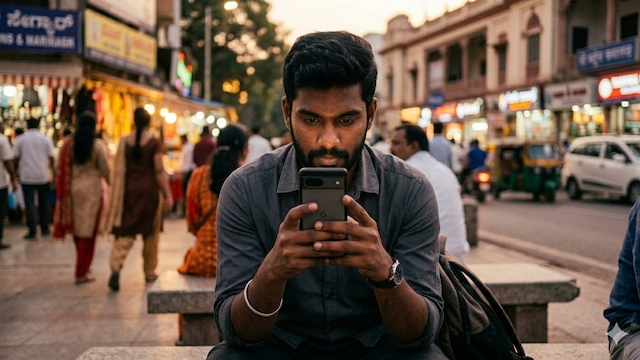
More men these days seem to be turning to social media platforms, podcasts, online forums, fitness influencers, and even supplement creators for health advice before they ever talk to a healthcare professional. At first, it looks like just a quick search for info, but then it can slide into self-diagnosis, self-treatment, and in some cases, a delayed medical visit.
This shift is showing up especially with younger men, they're consuming health related content through short videos, wellness podcasts, and online communities more. And sure, better awareness of wellness is a good thing, however medical professionals are saying they're worried that social media too often replaces evidence-based care, not really side by side with it.
Why Men Are Looking Online First
Historically, men have been a bit less likely than women to go for preventive healthcare, or to talk about health worries openly. Digital platforms have sort of filled that gap, by making health information feel more reachable and less intimidating in general.
Nowadays many men end up searching online for answers about fatigue, low energy hair loss, weight gain, poor sleep, reduced libido, anxiety, digestive troubles, and even fitness related concerns. But here's where things can get messy. The trouble comes when symptoms get interpreted without a proper medical check-up or evaluation.
Like, a 30 second reel might suggest that fatigue is due to "low testosterone" and then it just stops there. A podcast could blame poor concentration on a vitamin deficit, or an influencer might nudge supplements for hormonal balance, gut wellbeing, or longevity. Still the exact same signs could be from thyroid problems, sleep apnoea, depression, diabetes, nutritional deficiencies, long term stress, or cardiovascular disease.
The Supplement Boom and the Promise of Quick Fixes
So, one of the biggest shifts lately, has been this explosion inside the supplement industry... you know, everywhere. Globally, the market for testosterone boosters, performance enhancers, nootropics, biohacking stuff, herbal formulations and even longevity supplements, has grown fast. And the social media algorithms, well they keep pushing these products, with testimonials and "transformation" stories, instead of actual scientific evidence. Like, it's rarely presented in a solid way, not really.
What doctors are seeing more often now is patients who have spent months self-medicating with supplements first, then only later they come in for proper investigations. Sometimes those products are just ineffective. Other times, they might interact with medications, or they include ingredients that are not regulated enough, or not even checked properly.
Also, multiple international studies have raised concerns about over-the-counter supplements that are marketed for muscle growth, sexual health, and hormone optimisation. In some cases, researchers found undeclared substances inside products, or ingredients that weren't listed on the label. So, the packaging might say one thing, but the contents could be another.
The Testosterone Trend
One of the most prominent examples, is the growing online discussion around testosterone, like people say it can explain everything. On social media, low testosterone is frequently shown as the reason for tiredness, low drive, lacklustre gym work, and even reduced self-worth. Now, testosterone deficiency really is a medical condition, but experts also point out that online talk often turns it into a too-simple story, you know.
There is research in leading endocrinology journals that suggests, symptoms by themselves are not enough to make a diagnosis. Blood testing, a real clinical evaluation, and checking for hidden or underlying causes are essential before any treatment choice gets made.
Still, a lot of men start using supplements or other therapies just because of what they read online. They do it without properly understanding the risks and the limits, and that part is where problems show up, sooner or later.
The Hidden Cost of Delayed Diagnosis
The greatest concern is not only misinformation, but also that people end up waiting, a delay to seek evidence-based care.
Doctors increasingly run into patients who, for months or even years, have tried all kinds of online suggestions before they finally see a specialist. During that stretch, key medical problems can quietly keep moving forward.
For example, persistent fatigue may end up being uncontrolled diabetes or something similar. Erectile dysfunction could be an early hint, a first signal of cardiovascular disease. Chronic headaches might suggest hypertension, not just "stress" or bad sleep. And reduced fertility may point toward a hidden hormonal or metabolic disorder.
The Influence of Health Podcasts and Wellness Personalities
Podcasts have become yet another big source of health information. Some of them bring in respected researchers and clinicians, while others offer simpler interpretations of what is complex science.
The trouble is that the science evidence is rarely, you know, as clean and obvious as it seems in short-form clips. A single study usually doesn't give definitive answers, but online conversations often treat early or preliminary findings as if they are established facts, already locked in.
Experts typically recommend that people keep health education separate from personalised medical advice. Sure, information can help you think, however it can't replace an individual clinical assessment.
Social media, podcasts, influencers, and wellness platforms have transformed the way men engage with healthcare. They have increased awareness and made health conversations more accessible than ever before.
However, when online information becomes a replacement for professional medical advice, the consequences can be significant. Symptoms that appear simple may have complex causes, and delays in diagnosis can allow treatable conditions to worsen.
(By Dr. Subrata Das, Lead Consultant and HOD - Internal Medicine, Aster Whitefield Hospital, Bengaluru)
Disclaimer: The opinions expressed within this article are the personal opinions of the author. NDTV is not responsible for the accuracy, completeness, suitability, or validity of any information on this article. All information is provided on an as-is basis. The information, facts or opinions appearing in the article do not reflect the views of NDTV and NDTV does not assume any responsibility or liability for the same.