





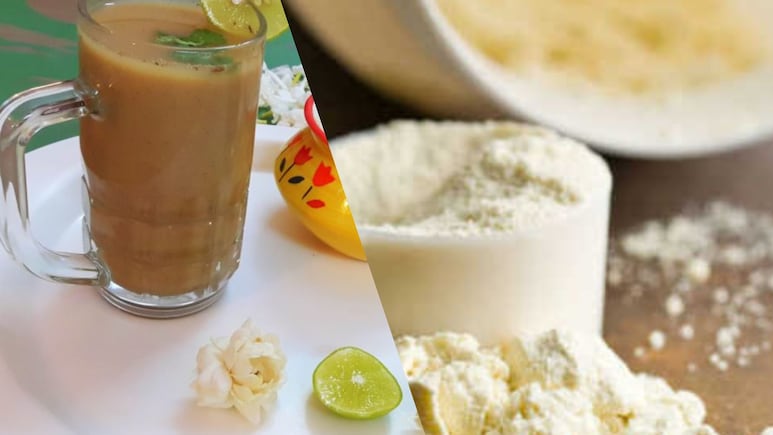
- Sattu sharbat is a traditional Indian drink made from roasted gram flour and spices, rich in plant protein
- Whey protein, derived from milk during cheese-making, is popular among athletes for muscle recovery
- Choice depends on individual needs, with sattu suited for general health and whey for muscle building
Sattu sharbat is a drink that consists of gram flour powder, salt, pepper, lemon, and whey protein, which is a supplement that contains milk fat. The traditional Indian protein drink, when compared with a modern supplement that is mostly consumed in powder form, varies in its protein-providing capabilities. The soaring demand for plant-based proteins instead of the powder whey protein mixes has driven Indians to turn to sattu sarbhat for their daily protein requirements. Mostly, because India faces a rising protein deficiency burden, especially among women and children, as highlighted by the Indian Council of Medical Research (ICMR) and National Institute of Nutrition (NIN). The medical research body found that around 70 to 80% of Indians consume less protein than the recommended and needed amount.
Adequate protein supplementation is important as a protein deficiency causes muscle-related issues, skin and hair changes, immune system problems, and even growth and development delays. This has made active protein supplementation a priority for the masses. To effectively gauge which source of protein is better for you and healthier, the individual protein-providing capabilities of these options need to be analysed along with their health benefits.
What Is Sattu Sharbat?
Sattu Sharbat is made from roasted gram flour or chana flour, which is added to water along with spices to create a hydrating, protein-rich drink. This drink is rich in plant-based protein, fibre, and iron, and it even has cooling properties that make it sought-after in the hot Indian summers. The most appealing factor of sattu sharbat is its affordability and wide availability. According to the Clinical Nutrition Journal, drinking sattu sharbat can aid in muscle recovery, as it nourishes the body with plant-based proteins.
What Is Whey Protein?
During the cheese-making process, the leftover residue that contains milk fats is referred to as whey protein. The high-quality nature of whey protein contains essential amino acids, which has made it popular, but in India, the demand exceeds the supply. Athletes and fitness enthusiasts have made whey protein the go-to protein supplement, which has made it a part of even coffee. But the exact dose of it can impact every individual differently. As mentioned in the International Journal of Scientific Research, fitness culture has led to protein deficiency awareness, and whey protein has become the most popular protein supplementation source.
Nutritional Comparison Of Sattu Sharbat And Whey Protein
According to the ICMR and NIN, the exact nutritional profile of sattu sharbat and whey protein differs, but there are other factors that can impact their absorption rate and ability to provide essential protein. Here are the individualised nutritional figures:
- When it comes to protein content, whey protein contains 24 to 30 g per scoop, while sattu contains 20 g per 100 g. But the difference in the protein quantity is bridged by the absorption rate and the digestibility factor.
- Whey protein digests quickly, while sattu digests more slowly due to its fibre. When prepared with spices and water, sattu sharbat also hydrates, which can make it a better protein source in some contexts.
- Sattu also provides iron and magnesium and has a cooling effect, while whey provides calcium and branched-chain amino acids such as leucine, isoleucine, and valine.
- Sattu sharbat is generally prepared by mixing 30 to 40 g of powder in the sharbat that provides 7 to 10 g of protein.
- The lack of high-quality fibre can also impact the protein absorption level when sattu contains 18 g per 100 g, along with iron, magnesium, and calcium.
- Dietary fibre content in sattu can enhance protein absorption by supporting the presence of essential good bacteria and offering metabolic balance.
- When it comes to calories, sattu contains 350 kcal per 100 g, which also makes it a high-protein option for breakfast.
Also Read: Paneer Vs. Tofu: Which Is A Richer Source Of Protein?
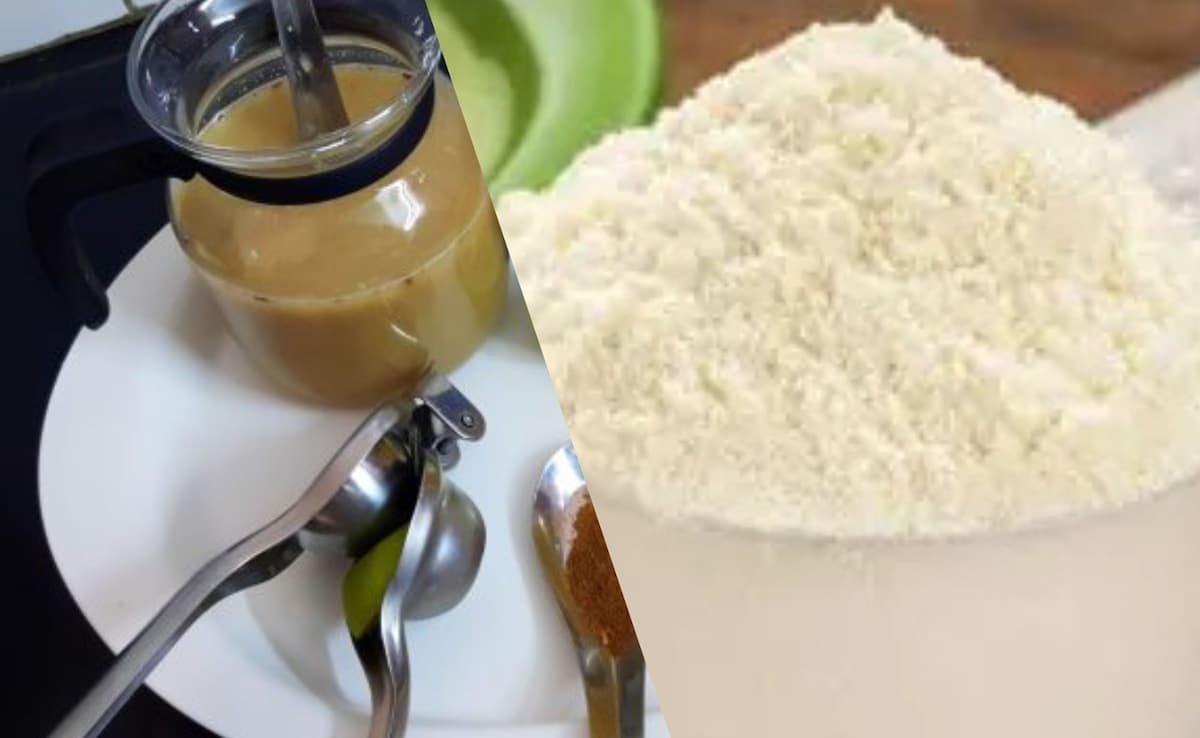
Sattu sharbat and whey protein
Photo Credit: Google/ creative common license
Health Benefits And Limitations Of Sattu And Whey Protein
There are health benefits and limitations for both sattu sharbat and whey protein, and both need to be weighed against each other to figure out which one can work for you, your lifestyle, and your dietary requirements. Here are the health benefits and limitations of each of them:
- While sattu sharbat is beneficial for digestion, it is cooling in summer and affordable but lower in overall protein density. On the other hand, whey protein is excellent for muscle recovery but costly and may cause lactose intolerance in some people.
- Sattu is a traditional superfood that is proven to have long-term positive health impacts, as detailed by the ICMR.
- The AYUSH ministry has flagged sattu sharbat as a sustainable nutritional food source.
Whey protein is widely marketed but often imported, raising cost and accessibility issues. According to recent reports, the cost of whey protein has skyrocketed, leading people to make the switch to plant-based high-protein sources.
Rural diets rely more on consuming sattu for their protein needs, but urban fitness culture favours whey protein.
Which Is Better?
Between sattu sharbat and whey protein, the individual goals matter, as everybody needs varying amounts of protein.
For general health and affordability, sattu sharbat is a better source of protein.
But for muscle building and sports nutrition, fitness enthusiasts push for whey protein. But the research documented in the Bulletin of Shakarim University Technical Sciences journal points to the ability of chickpea flour to help with muscle building if there is adequate physical exercise being practised consistently.
The approach to protein supplementation should be to combine traditional foods with modern supplements. But also consider the side effects if the quality of modern supplements is poor, and consulting a nutritionist is key to being safe with your protein supplementation.
Sattu sharbat and whey protein both have unique benefits, but the choice depends on your lifestyle, budget, and health needs. Your body is not a trend; nutritional science needs to be consulted for effective and safe protein supplementation.
Disclaimer: This content, including advice, provides generic information only. It is in no way a substitute for a qualified medical opinion. Always consult a specialist or your own doctor for more information. NDTV does not claim responsibility for this information.
Track Latest News Live on NDTV.com and get news updates from India and around the world

