

)
A sudden rise in Legionnaires' disease cases in major global cities has once again drawn attention to a lesser-known but potentially deadly infection. Health authorities in parts of London are currently investigating a spike in cases, while recent outbreaks in New York City have already resulted in dozens of infections and multiple deaths.
Legionnaires' disease is not new, it was first identified in 1976, but its re-emergence in urban settings underscores how modern infrastructure, especially complex water systems, can become breeding grounds for harmful bacteria. Unlike many infectious diseases, Legionnaires' does not spread from person to person. Instead, it is contracted by inhaling tiny droplets of water contaminated with Legionella bacteria, often from sources like cooling towers, air-conditioning systems, fountains, and plumbing networks.
What makes the disease particularly concerning for public health experts is its link to ageing infrastructure, climate conditions, and gaps in maintenance systems. As cities expand and temperatures rise, outbreaks may become more frequent unless preventive systems are strengthened.
The recent incidents serve as a warning, not just for affected regions, but globally, about the importance of water safety, surveillance, and rapid response systems.
What Is Legionnaires' Disease?
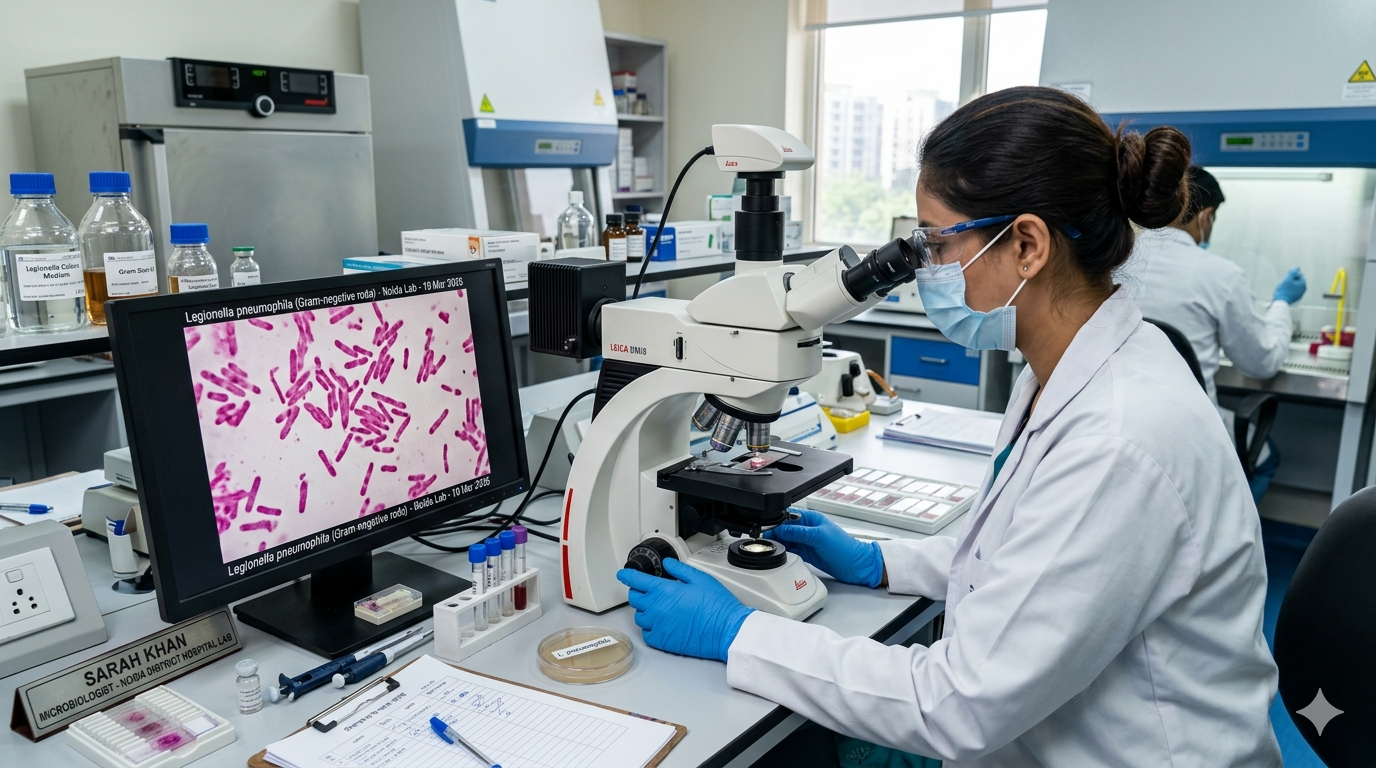
Legionnaires' disease is a severe form of pneumonia caused by Legionella pneumophila bacteria. The infection primarily affects the lungs and can lead to life-threatening complications if not treated promptly.
Symptoms include:
- High fever and chills
- Persistent cough
- Shortness of breath
- Muscle aches and headaches
- Nausea or confusion in severe cases
Symptoms typically appear within 2-14 days after exposure. While antibiotics are effective, the disease has a mortality rate of around 5-10%, especially among vulnerable groups such as older adults, smokers, and those with weakened immunity.
What Do Recent Outbreaks Reveal?
- Urban Infrastructure Is a Key Risk: Recent outbreaks in New York City were traced back to contaminated cooling towers atop buildings, including hospitals and construction sites. Cooling systems can aerosolise contaminated water, allowing bacteria to spread through the air and infect people over a wide area. Similarly, clusters under investigation in London point to the same concern, large, interconnected water systems in dense urban environments.
- Outbreaks Are Often Preventable: Public health investigations consistently show that inadequate maintenance of water systems, especially cooling towers, plumbing, and HVAC units, is a major contributor. For instance, in the New York outbreak, multiple cooling towers tested positive for Legionella, highlighting lapses in routine inspection and disinfection.
- Climate and Seasonality Play a Role: Legionella bacteria thrive in warm, stagnant water. Outbreaks are more common during summer months when temperatures rise and air-conditioning systems are used extensively. With global warming, experts warn that such environmental conditions may become more widespread, increasing outbreak risks.
- Surveillance and Rapid Response Are Critical: One key lesson from recent outbreaks is the importance of early detection. Once identified, authorities can disinfect water systems, issue public alerts, and prevent further spread.
Cities like New York have even proposed stricter regulations, including more frequent testing of cooling towers, after repeated outbreaks.
Has India Witnessed Legionnaires' Outbreaks?
India has reported sporadic cases of Legionnaires' disease, but large-scale outbreaks are relatively rare compared to Western countries. However, experts believe the disease may be underdiagnosed due to limited testing and awareness.
India's urban landscape, with rapid construction, dense populations, and complex water systems, creates conditions where Legionella could potentially thrive. Past public health incidents, such as water contamination outbreaks in cities like Indore, demonstrate how vulnerable water systems can be to bacterial growth.
Risk factors in India include:
- Poorly maintained air-conditioning systems
- Stagnant water in overhead tanks
- Inadequate plumbing hygiene
- Rapid urbanisation and ageing infrastructure
- Hot and humid climate conditions
Hospitals, hotels, and large residential complexes are particularly at risk if water systems are not regularly disinfected.
Prevention: What Needs to Be Done?
Public health agencies such as the World Health Organization emphasise that prevention lies in managing water systems effectively.
Key measures include:
- Regular inspection and cleaning of cooling towers
- Maintaining hot water above 60°C and cold water below 20°C
- Preventing water stagnation
- Using disinfectants in large plumbing systems
- Routine risk assessments in high-risk buildings
For individuals, the risk remains low, but vulnerable groups should seek medical attention if they develop pneumonia-like symptoms, especially during known outbreaks.
The recent Legionnaires' disease outbreaks in global cities highlight a critical but often overlooked public health issue: The safety of urban water systems. While the disease itself is not contagious, its environmental nature makes it a persistent threat in modern, infrastructure-heavy societies. As cities grow and climates change, ensuring safe water systems will be central to preventing future outbreaks. For countries like India, the warning signs are clear, strengthening surveillance, improving infrastructure maintenance, and increasing awareness could be key to avoiding large-scale outbreaks in the future.
Disclaimer: This content, including advice, provides generic information only. It is in no way a substitute for a qualified medical opinion. Always consult a specialist or your own doctor for more information. NDTV does not claim responsibility for this information.