

)
Every individual should perform some form of physical activity everyday, and this also includes seniors. According to the World Health Organisation (WHO), adults aged 65 years and above should do at least 150 minutes of moderate-intensity physical activity throughout the week, or at least 75 minutes of vigorous-intensity physical activity, or an equivalent combination of both. Those with poor mobility should perform physical activity to enhance balance and prevent falls, 3 or more days per week. They should also include muscle-strengthening activities.
Pilates is a low-impact, full-body exercise which focuses on core strength, posture, flexibility, and body awareness through controlled, precise movements and deep breathing. It was developed by Joseph Pilates to improve physical conditioning, help in injury recovery, and build balanced muscles. It can be done on a mat or specialised equipment like the reformer, which emphasises on deep abdominal and back muscles.
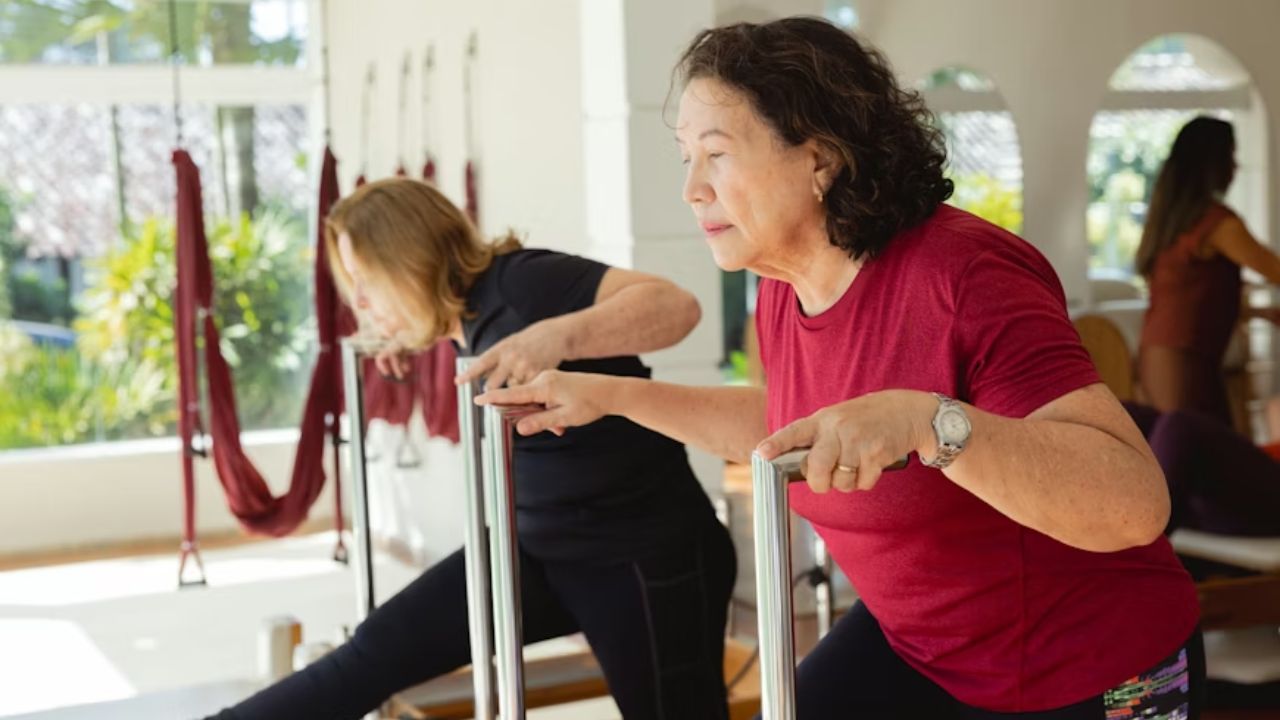
Pilates has gained popularity but there's a lot of misconceptions surrounding it, which stops some people from performing it. This form of exercise can also be done by seniors due to its low-impact and controlled movements. Pilates also help to enhance strength, balance, and overall vitality without straining joints. Pilates emphasises on core stability, precise breathing, and mindful movements, which makes it ideal for those over 60 facing age-related challenges like muscle loss and reduced mobility. Here are some of the reasons why older adults should consider Pilates.
1. Improved Balance
Pilates significantly improves balance, reducing risk of fall, which is one of the top concerns for seniors. Exercises like single-leg stands and controlled reaches help to strengthen stabilising muscles around the ankles, hips, and core. It also helps to foster coordination and sense of body. Experts also say that Pilates outperforms general exercise in improving balance and functional stability, which helps seniors perform daily activities.
2. Better Core Strength
Core muscles tend to weaken with age and this leads to poor posture and back pain. However, Pilates targets the deep abdominal and pelvic floor muscles effectively. Exercises like the hundred or plank variations help build endurance without heavy weights. Studies also show notable improvements in total and lower-limb strength after consistent practice.
3. Increased Flexibility
Ageing stiffens joints and shortens muscles, limiting range of motion. Pilates promotes gentle stretching and elongation through fluid movements. Mat or reformer work helps to improve hip, hamstring, and spinal flexibility. It also helps to counter arthritis-related rigidity and enhances joint lubrication through increased synovial fluid flow. Participants often have ease in bending, reaching, and dressing independently after weeks of practice.
4. Pain Reduction
Chronic joint pain from osteoarthritis affects seniors. Pilates helps mobilise stiff areas with low-impact flows, reducing aches and sores. By improving circulation and muscle balance, it reduces pressure on knees, hips, and the lower back. It helps you get better sleep and improves mood. Reviews highlight how decreased pain perception enhanced quality of life, making it a good alternative to high-intensity workouts.
5. Better Posture and Breathing
Stooped posture from weakened back muscles compresses the ribcage. This impairs breathing and circulation. Pilates counters this with alignment-focused exercises. Principles like centering and breath control help to open the chest and strengthen respiratory muscles. This also helps improve oxygen intake and heart health.
6. Mental Health
Pilates combines movement with mindfulness, reducing stress and elevating mood through endorphin release and focused breathing. It combats isolation and depression which are common in older age by improving life satisfaction, emotional health, and even cognitive function due to better brain blood flow.
7. Promotes Independence
By improving the ability to perform daily activities like walking, stair-climbing, and lifting independently, Pilates fosters autonomy and delays reliance on help. It can be adapted to suit all fitness levels, from chair-based mat work to reformer sessions.
Disclaimer: This content including advice provides generic information only. It is in no way a substitute for a qualified medical opinion. Always consult a specialist or your own doctor for more information. NDTV does not claim responsibility for this information.