





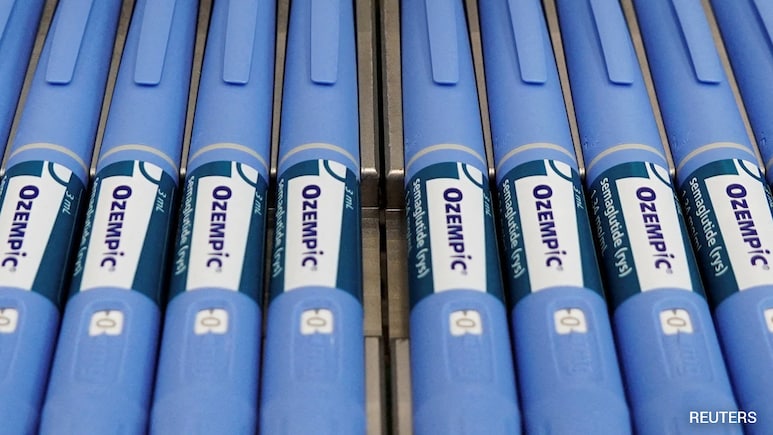
- Patent expiry on semaglutide will allow generic versions in countries like India, China, and Brazil
- Semaglutide treats Type 2 diabetes and obesity by regulating blood sugar and suppressing appetite
- Generics could cut prices by 60-80%, greatly improving access in emerging markets
The impending expiry of patents on Semaglutide, the blockbuster molecule behind Ozempic and Wegovy, is set to trigger a sweeping transformation in global diabetes and obesity treatment markets, with generic drugmakers gearing up to launch significantly cheaper versions and intensify competition, particularly in countries like India, China and Brazil.
Patent protections on semaglutide, developed by Novo Nordisk, will lapse on March 20, opening the door for domestic pharmaceutical companies to manufacture and sell their own versions of the drug.
What Is Semaglutide?
Semaglutide belongs to a class of medicines known as GLP-1 receptor agonists, which help regulate blood sugar levels and suppress appetite. It has rapidly become one of the most sought-after therapies globally for both Type 2 diabetes and weight loss, driving billions in annual revenues for Novo Nordisk.
Approved in 2017, the drug has since transformed obesity and diabetes care, with demand surging worldwide, but high prices, often exceeding 1,000 dollars per month in developed markets, have limited access.
What Patent Expiry Means?
The expiry of a pharmaceutical patent allows other manufacturers to produce "generic" versions of the same molecule. These generics contain the identical active ingredient but are typically sold at significantly lower prices due to the absence of R&D recovery costs.
In the case of semaglutide, the patent expires very soon in India, though protections continue in markets like the United States until 2031 due to extensions.
This staggered patent landscape means that while high-income markets may remain protected for longer, large emerging markets, which account for a significant share of the global diabetes and obesity burden, will see earlier generic entry.
Also Read: From Diabetes To Weight Loss: How Semaglutide Became The Blockbuster Behind Ozempic, Wegovy
What Happens When It Becomes Generic?
The shift to generics is expected to dramatically lower prices and expand access. Industry estimates suggest costs could fall sharply, with some projections indicating reductions of up to 60 to 80 per cent over time.
In India alone, nearly 50 generic versions are expected to enter the market soon after patent expiry, potentially reducing monthly treatment costs substantially and broadening patient access.
According to analyses by healthcare consulting firms such as IQVIA, this transition could mark a "major access expansion" phase for GLP-1 therapies, especially in high-burden countries.
Unlike simple chemical drugs, semaglutide is a complex peptide-based biologic, meaning generic versions (often called biosimilars) must demonstrate comparable efficacy and safety through rigorous regulatory pathways.
However, once approved, these alternatives are expected to replicate the same therapeutic effect, controlling blood sugar and reducing appetite, at lower cost.
Who Will Enter The Market?
A wide range of pharmaceutical players, particularly from India, are preparing to capitalise on the opportunity. Companies such as Dr Reddy's Laboratories, Sun Pharma, Lupin, Cipla, Zydus Lifesciences and Torrent Pharmaceuticals are among those expected to launch generic semaglutide products.
These generic alternatives could cost around Rs 5,000 per weekly dose, roughly 50 per cent cheaper than the original therapy. The price drop is expected to significantly widen access to anti-obesity medication in a country where most patients pay for healthcare out of their own pocket. Some manufacturers are also working on user-friendly delivery systems such as pre-filled injection pens. These devices can make treatment easier for patients and may improve adherence to long-term therapy.
Novo Nordisk's Strategy
Even as patents begin to expire, Novo Nordisk has moved to defend its market share through a mix of legal, commercial and innovation strategies.
The company holds a large portfolio of secondary patents, covering delivery devices, formulations and treatment methods, that extend exclusivity in some markets into the 2030s and beyond.
It has also expanded partnerships, including a tie-up with Abbott in India to launch an additional branded version of semaglutide, aiming to increase reach and compete with generics.
At the same time, Novo Nordisk is investing in next-generation obesity and metabolic treatments to sustain its leadership beyond semaglutide.
Has This Happened Before?
The transition from patented blockbuster drugs to generics is a well-established phenomenon in the pharmaceutical industry, often referred to as the "patent cliff".
Earlier GLP-1 drugs such as liraglutide, also developed by Novo Nordisk, have already gone off-patent, leading to the entry of generics and a sharp fall in prices.
Across therapeutic areas, similar patterns have been seen with cholesterol drugs, cancer therapies and antivirals, where generic entry dramatically expanded access while eroding revenues for originator companies.
Also Read: 50+ Branded Semaglutide Generics To Enter India As Diabetes Drug Patent Expires In March 2026
What It Means For The Market?
The semaglutide patent expiry could be one of the most consequential pharmaceutical shifts of the decade.
The global market for weight-loss and diabetes drugs is projected to exceed 100 billion dollars, and the entry of generics is expected to accelerate adoption while intensifying price competition.
For patients, particularly in countries like India with a large diabetes burden, the development could significantly improve affordability and accessibility.
For pharmaceutical companies, it signals a new phase of competition, one where scale, pricing and distribution will be key differentiators.
As the patent cliff approaches, semaglutide's journey from a high-cost breakthrough therapy to a widely available generic, is poised to reshape not just drug pricing, but the global landscape of chronic disease treatment.
Disclaimer: This content, including advice, provides generic information only. It is in no way a substitute for a qualified medical opinion. Always consult a specialist or your own doctor for more information. NDTV does not claim responsibility for this information.
Track Latest News Live on NDTV.com and get news updates from India and around the world

