

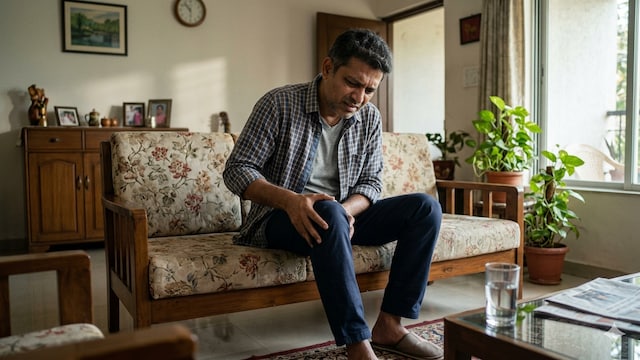
Ageing, overdoing it in the gym or just tackling daily activities can all cause joint pain that is considered 'normal'. However, many times we can treat our occasional aches with some rest and self-care. Joint pain that is ongoing or has another quality other than just being annoying or uncomfortable may actually be indicative of a bigger problem (orthopedic condition) and requires immediate medical attention.
Ignoring your symptoms could lead to increased damage to your joints, decreased mobility, or overall decreased quality of life. It is necessary to recognise when your joint pain is an indication that your joint health in the long term may be at risk. Here are the 7 orthopedic red flags to never ignore.
1. Persistent Pain Lasting More Than A 2-3 Weeks
If you're suffering from pain that has lasted for several months and has not improved after trying various treatments (such as rest, changing your daily activities or over-the-counter medications), you should consult an orthopedic specialist. This pain could be indicative of a more severe problem such as damage to the cartilage in the joint, tendon injuries, a form of arthritis, or inflammation somewhere in your body that is causing the symptoms. Early detection allows for more effective treatment options and helps prevent additional damage to the joints.
2. Swelling, Warmth, Or Redness Around The Joint
The body will naturally respond with swelling as a reaction to an injury, but if there is swelling accompanied by heat or redness around the joint, it may be indicative of a more serious issue. Symptoms of this nature can be related to infections, inflammatory arthritis, gout, and/or serious injuries to the joint. If there is new swelling or there is continued increase of this swelling, then it may require prompt medical attention.
3. Challenges To Daily Living
Every day, people do things that could be simple. For example, using the staircase, getting into the chair, using jars, or walking short distances without difficulty. Joint pain can occur on occasion and may be an indication of a more serious problem affecting the use of the joints and their functioning. If you experience joint problems that significantly limits your ability to perform daily activities normally, you may want to see your doctor as soon as possible. They can help prevent long-term disabilities from occurring and improve your overall quality of life.
4. Joint Instability Or A Feeling That The Joint May "Give Way"
A healthy joint moves smoothly and feels secure during movement. If you experience a buckling of your knee or twisting of your ankle or loose feeling in your shoulder it is likely that there is a problem with ligament integrity, cartilage damage, and/or muscle weakness affecting the stability of the joint. If you have joint instability this increases your risk for falls, further injury and progressive joint damage.
5. Strange Noises Or Feelings In The Joint
Sometimes strange sounds, such as a joint clicking or cracking, may not be a problem; however, if you have grinding, popping, locking, or catching types of sensations in your joint, those are not good signs. If you experience these sensations along with pain and/or swelling, these types of sensations may indicate a breakdown of the cartilage, a tear in the meniscus or ligaments, or early changes associated with degenerative joint disease. If you feel like the joint is locking up or getting hung up, this may indicate that there is a mechanical issue with the joint that your orthopaedic surgeon can diagnose. Getting this type of evaluation done as soon as possible is important for preventing further damage and restoring proper motion within the joint.
6. Pain That Disturbs Sleep
In addition to being a sign of serious joint issues, if you are suffering from enough joint pain to wake up from sleep, or enough pain to prevent you from getting restful sleep, this should be concerning to you. Night pain may also be an indication of advanced arthritis, inflammatory conditions, stress fractures, or other orthopedic issues that need to be evaluated. Disruption in your sleep because of persistent pain will have an effect on not only your overall physical recovery but it will also affect your mental well-being, so timely treatment for pain that disrupts sleep should be a priority.
7. Unresolved Pain After Traumatic Injuries
Trauma can cause injury to your body that doesn't get better without intervention from a medical professional. If you have experienced a fall, participated in an athletic event, or had an accident; if swelling, pain, or limitation of motion continue for an extended period of time after the event, you may have sustained an internal injury like a fracture (broken bone), torn ligament, torn meniscus, or damaged cartilage. Waiting to seek treatment for a potential injury can lead to additional complications and longer recovery time. An appropriate level of assessment can help to determine how severe (with respect to prognosis) the injury is and what steps will be taken upon initial evaluation.
The Importance of Early Intervention
There are numerous types of orthopedic disorders that take some time to develop. For example, something that starts off as mild or random pain may develop into severe or continuous pain, no longer having the ability to move around normally at all (if not dealt with) and cause irreparable damage to your joint. Fortunately, there have been many improvements in orthopedic treatment modalities (like physiotherapy, lifestyle changes, minimally invasive surgery or procedures, and regenerative medicine approaches) to assist the natural healing pathway your body takes through the various ways of providing support through the natural healing process.
The primary goal of all of these types of treatment modalities is to not only relieve or alleviate pain but to get to the source of the problem and protect your joint for an extended period of time. With early diagnosis of orthopedic conditions, we can produce better results, achieve a quicker recovery, and unnecessarily perform more major surgeries or procedures on patients.
Don't Ignore What Your Joints Are Telling You
Pain is the body's way of communicating that something might be wrong. Not every ache requires prompt medical attention; however, any nagging, worsening or new symptom needs to be evaluated by a medical professional. If you notice one of these seven warning signs, call an orthopedic specialist to review your situation and formulate a plan for appropriate treatment prior to your issue becoming worse.
Your joints are important for any movement you do on a daily basis. Listening to any orthopedic indications will contribute to your mobility, independence and quality of life for years to come.
(By Dr. Sharmila Tulpule, Founder & Director, Orthobiologix Clinic; Orthopedic Surgeon & Regenerative Medicine Specialist)
Disclaimer: The opinions expressed within this article are the personal opinions of the author. NDTV is not responsible for the accuracy, completeness, suitability, or validity of any information on this article. All information is provided on an as-is basis. The information, facts or opinions appearing in the article do not reflect the views of NDTV and NDTV does not assume any responsibility or liability for the same.