

Pune has recorded a total of 2,009 suspected dengue cases this year. According to the Pune Municipal Corporation's (PMC) health department, nearly 66% of these suspected cases have been reported in August, September, and October. The monthly figures indicate that there were 484 suspected cases reported in August, 508 in September, and 346 in October. Additionally, 35 chikungunya cases and 2,651 mosquito breeding sites across homes, societies, offices, and colleges have been detected.
The civic body has mentioned that water stored at homes and construction sites is fueling mosquito breeding and vector-borne diseases.
Dengue, which used to spike around the monsoon season, has transformed into a year-round urban health threat due to changing environmental and human factors that allow the virus to circulate continuously.
What are the causes?
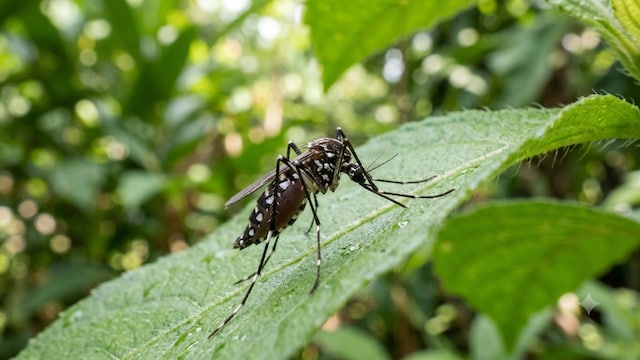
- The Aedes aegypti mosquito responsible for spreading dengue behaves differently from malaria-carrying mosquitoes. It thrives and breeds in small pockets of clean, stagnant water inside and around homes. Coolers, flowerpots, and discarded tyres have provided mosquitoes a constant, artificial supply of breeding sites that are completely independent of seasonal rainfall.
- Rising global temperatures have also accelerated the biological lifecycle of mosquitoes. Warmer temperatures shorten the time it takes for a mosquito to mature, and cause the virus inside the mosquito to replicate much faster.
- Additionally, seasonal patterns of India's climate have blurred. Unseasonal rains, followed by immediate heat spells, generate micro-breeding grounds. Consequently, national surveillance data now routinely logs thousands of dengue cases as early as January and February.
Understanding dengue, its symptoms and severity
Dengue is a viral infection transmitted primarily by Aedes mosquitoes, particularly Aedes aegypti. It is prevalent in tropical and subtropical regions and can cause a range of symptoms that vary in severity.
Dengue symptoms typically appear 4 to 10 days after being bitten by an infected mosquito. Common symptoms include:
1. High fever
2. Severe headaches
3. Pain behind the eyes
4. Joint and muscle pain
5. Nausea and vomiting
6. Fatigue
7. Skin rash, which may appear a few days after the onset of fever
8. Mild bleeding such as nosebleeds or gum bleeding
How severe is dengue?
Dengue can range from mild to severe. While many cases are mild and resolve without treatment, severe dengue, also known as dengue hemorrhagic fever, can be life-threatening and occurs when the virus damages blood vessels, leading to bleeding, fluid accumulation, and organ impairment.
Severe dengue may cause:
- Severe abdominal pain
- Persistent vomiting
- Rapid breathing
- Bleeding gums or nose
- Fatigue
- Blood in vomit or stools
READ | Gujarat: Dengue Hits 'Ekta Diwas' Parade Contingent, 24 Test Positive
Early detection and timely treatment are crucial in managing the disease effectively. In severe cases, hospitalisation may be required for monitoring and treatment to prevent complications. Awareness of the symptoms and their severity can help in seeking timely medical attention.
Disclaimer: This content including advice provides generic information only. It is in no way a substitute for a qualified medical opinion. Always consult a specialist or your own doctor for more information. NDTV does not claim responsibility for this information.