

)
A new National Health Service (NHS) trial in England could dramatically reduce the time patients with brain tumours have to wait for an accurate diagnosis. A rapid genomic test, developed by researchers at the University of Nottingham and Nottingham University Hospitals NHS Trust, can analyse the DNA of a small tumour sample and identify its type much faster than conventional testing. NHS says the test could reduce the usual wait for a definitive diagnosis from weeks to days. In some patients undergoing brain tumour surgery, doctors may get detailed information about the tumour in less than two hours, while the operation is still taking place.
This development could be important because brain tumours are not a single disease. There are more than 100 different types, ranging from slower-growing tumours to aggressive cancers, and treatment can vary depending on the exact tumour type and its genetic features. At present, patients may face weeks of uncertainty while tissue samples are examined in laboratories. The NHS hopes that faster results will allow doctors to plan personalised treatment sooner and help some patients access clinical trials without unnecessary delays.
How Does The New Brain Tumour Test Work?
The test is a form of rapid genomic testing. Doctors take a small sample of the tumour during a biopsy or surgery. The sample is then analysed to examine its DNA, or genetic code. This genetic information can help doctors identify the precise type of brain tumour. Unlike a conventional diagnosis, which may require tissue examination and additional laboratory testing over a longer period, the new technology is designed to provide useful information much faster.
Results Can Come During Surgery
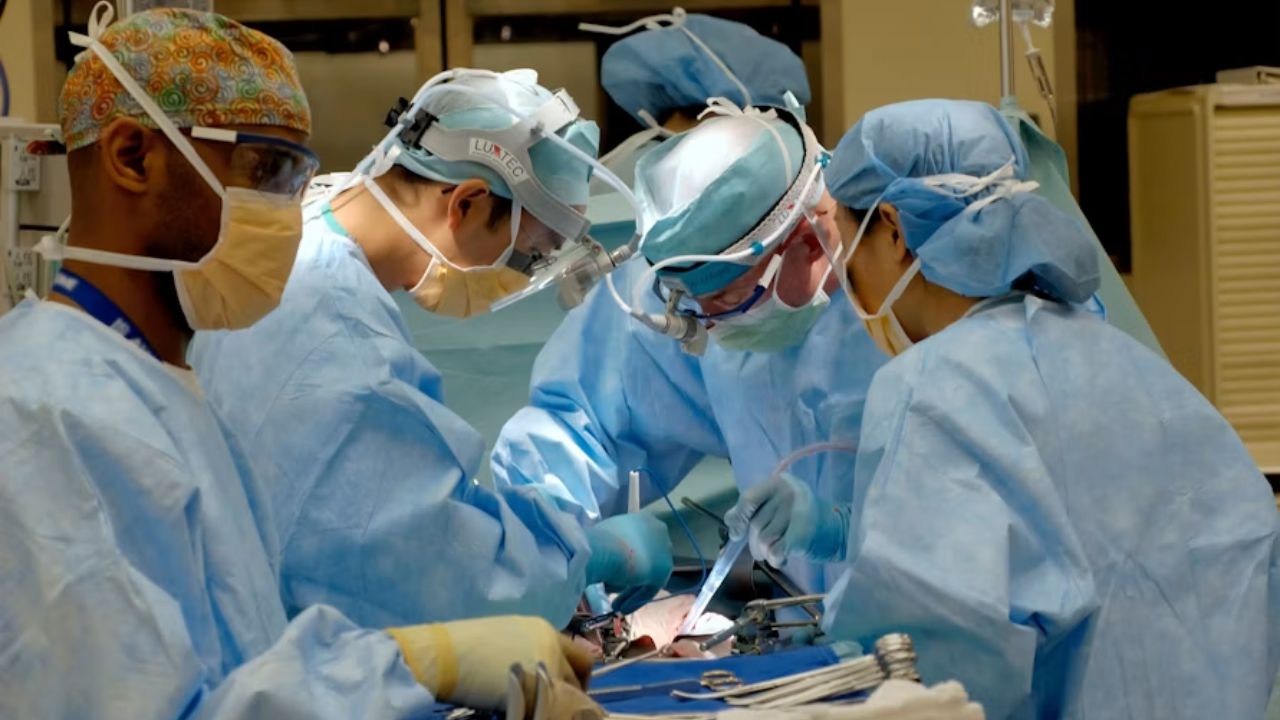
One of the major potential benefits is that the test can provide results while surgery is still under way. In cases where the precise tumour type is not known before surgery, the surgical team can get information in under two hours. This may help neurosurgeons decide how much tumour tissue can be safely removed while protecting healthy brain tissue.
This does not mean every brain tumour operation will automatically change based on the rapid test. Rather, the additional genetic information gives doctors another tool to support decisions during treatment.
Why Is Faster Diagnosis Important?
A brain tumour diagnosis can be a stressful time for patients and their families. Waiting several weeks to learn the exact tumour type can also delay decisions about what treatment may be appropriate. The NHS says faster diagnosis could allow suitable patients to begin treatments such as chemotherapy or radiotherapy sooner. It could also help doctors identify patients who may be eligible for particular clinical trials, some of which require detailed information about the tumour's biology.
Where Is The NHS Trial Taking Place?
The rapid genomic test was developed by teams at the University of Nottingham and Nottingham University Hospitals NHS Trust, where the technology is already being used. The first phase of the NHS rollout will introduce testing at specialist centres including University Hospitals Birmingham, Nottingham University Hospitals, Great Ormond Street Hospital for Children, King's College Hospital and Newcastle Hospitals.
Additional genomic laboratory sites are expected to join in a second phase. According to a report in The Telegraph, Prof Frankie Swords, NHS England's medical director, said the DNA test had "the potential to completely transform how we diagnose brain tumours".
"This is a huge leap forward for patients - a faster diagnosis means they can start the right treatment or access clinical trials sooner, while for some patients it could mean surgeons can make potentially life-changing decisions about their surgery while on the operating table," she added.
Disclaimer: This content including advice provides generic information only. It is in no way a substitute for a qualified medical opinion. Always consult a specialist or your own doctor for more information. NDTV does not claim responsibility for this information.