

)
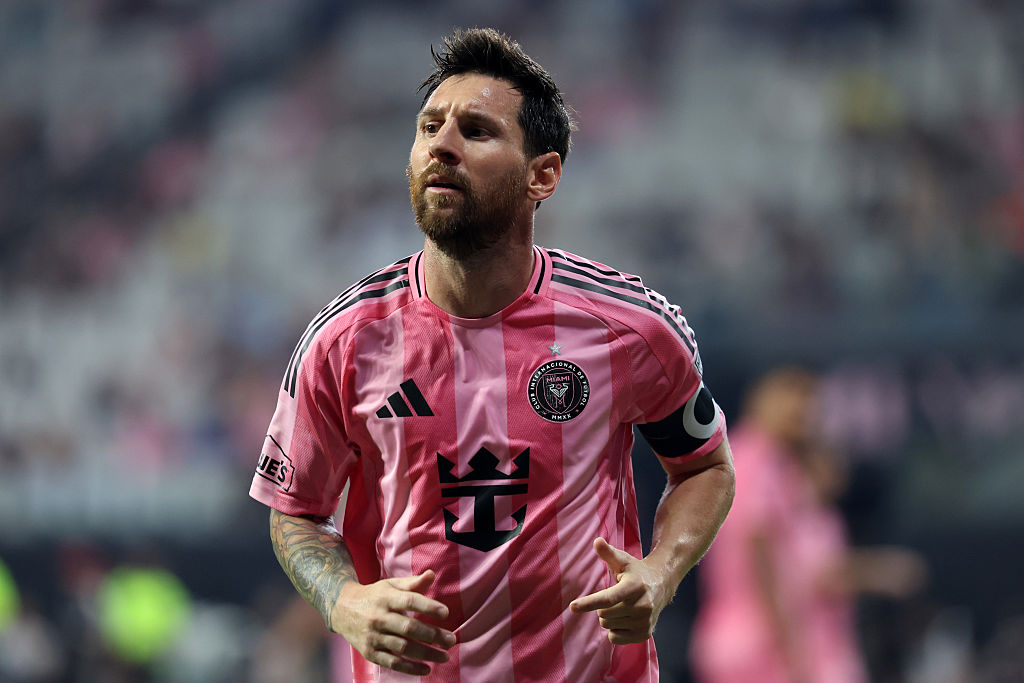
Followed by 2026 FIFA World, Lionel Messi announced his retirement from international football on August 31, 2026. His extraordinary international football career has been defined by skill, consistency and an ability to perform at the highest level for decades. But athletic longevity is rarely the result of talent alone. Nutrition, training, recovery and overall health all play an important role in helping athletes maintain performance as they age. For an elite footballer, every training session and match places significant demands on the body. Supporting those demands requires more than simply eating enough or exercising regularly. A well-planned approach to nutrition, hydration, digestive health and recovery can help the body cope with repeated physical stress over the course of a long career. According to Dr Kshitiz Sharan, Consultant - Gastroenterology, Sarvodaya Hospital, Greater Noida West, nutrition and digestive health are important but sometimes overlooked aspects of athletic longevity.
Why Nutrition Matters For Athletic Longevity
According to media reports, Messi follows a balanced and nutritious diet that includes plenty of water, olive oil, whole grains, fresh fruits, and vegetables. An elite footballer has high energy requirements because training and matches involve repeated bursts of sprinting, running, jumping and changes in direction.
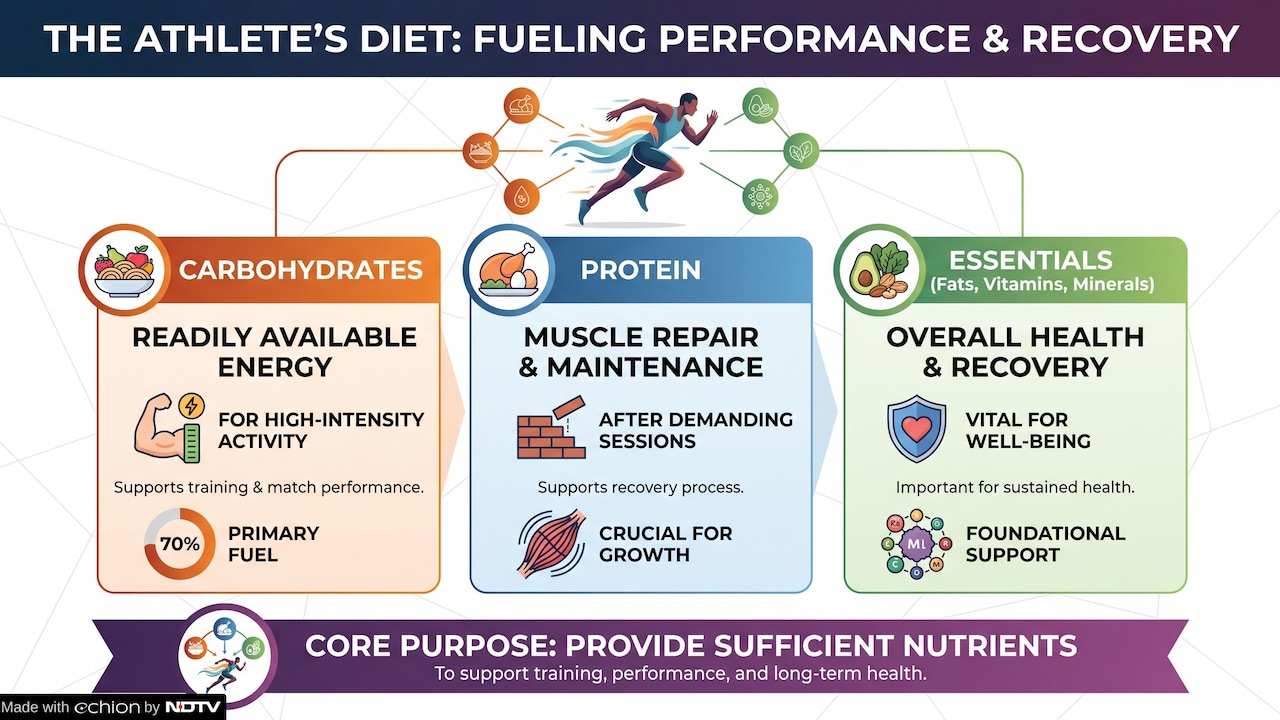
Dr Sharan says an athlete's diet needs to provide sufficient carbohydrates to support training and match performance, along with adequate protein for muscle repair. Healthy fats, vitamins and minerals are also important for overall health and recovery. Carbohydrates are particularly important because they provide the body with readily available energy during high-intensity activity. Protein, meanwhile, supports the repair and maintenance of muscles after demanding sessions. However, simply eating nutritious foods is not enough. Meal timing can also matter. Eating the right foods at appropriate times can help maintain energy levels while reducing the chances of digestive discomfort during training or competition. Athletes often need to plan meals around their training schedules so that they are adequately fuelled without feeling excessively full or uncomfortable.
Hydration Is Key For Performance
Football involves prolonged physical activity, often in warm conditions, which can result in significant fluid loss through sweating. Hydration therefore becomes an important part of an athlete's routine. Even mild dehydration can affect physical performance and recovery. According to Dr Sharan, athletes need to replace fluids and electrolytes according to their training intensity, weather conditions and individual requirements. This is especially important during matches and intense training sessions. Hydration needs are not identical for everyone, and athletes may require different amounts depending on how much they sweat and the conditions in which they train or compete.
Don't Ignore Digestive Health
Digestive health may not be the first thing people associate with sporting performance, but gastrointestinal symptoms can affect an athlete's comfort and ability to perform. Problems such as bloating, acidity, abdominal discomfort and irregular bowel movements can become particularly troublesome around training or competition.
Dr Sharan explains that large, heavy or unfamiliar meals consumed close to exercise may increase the likelihood of digestive symptoms. This is why athletes can benefit from maintaining a consistent eating routine and choosing foods they already know they tolerate well. For an athlete competing at the highest level, avoiding unnecessary digestive problems can be just as important as meeting nutritional requirements.
Recovery Is As Important As Training
Training places stress on the muscles and other systems of the body. Recovery allows the body to repair itself and prepare for the next workload.
Adequate sleep, rest days and appropriate post-training nutrition are therefore essential components of a long-term training programme. Post-exercise nutrition can provide the protein and carbohydrates needed to support muscle repair and replenish energy stores. At the same time, adequate rest helps reduce accumulated fatigue. Over a career spanning many years, these seemingly small habits can have a significant impact.
Consistency Matters More Than A 'Perfect' Routine
It can be tempting to attribute an athlete's longevity to one particular diet, workout or recovery technique. However, Dr Sharan points out that every athlete has individual nutritional requirements. What works for one footballer may not necessarily work for another. An athlete's diet and training programme may need to change depending on factors such as age, workload, injury history, training intensity and individual tolerance. This makes consistency more important than following a fashionable diet or copying another athlete's routine.
Can Nutrition Alone Explain Athletic Longevity?
Not necessarily. While nutrition and recovery are important, athletic longevity is influenced by several factors, including genetics, training quality, injury management, psychological wellbeing, sleep and medical care.Therefore, Messi's career cannot be explained by any single lifestyle habit. Instead, his longevity highlights a broader principle: maintaining elite performance over many years requires consistent attention to the entire body.
What Can Other Athletes Learn?
For people involved in sport, the lessons are relatively simple. A balanced diet can provide the energy and nutrients required for training. Adequate protein can support muscle repair, while carbohydrates can help fuel demanding sessions. Hydration can help maintain performance, particularly during prolonged exercise. Digestive health should also be monitored rather than ignored, especially when symptoms repeatedly interfere with training. And perhaps most importantly, recovery should not be treated as an optional part of fitness. Sleep, rest and appropriate nutrition give the body an opportunity to recover from repeated physical demands. Lionel Messi's remarkable career shows that athletic longevity involves much more than talent and training. Nutrition, hydration, digestive health, recovery and consistent physical preparation can all contribute to maintaining performance over time. As Dr Sharan puts it, talent may take an athlete to the top, but maintaining that level for years requires taking care of the whole body.
There may not be one diet or training routine responsible for a long sporting career. Instead, it is the combination of sensible nutrition, structured training, adequate recovery and consistency that can help athletes stay strong, healthy and competitive for longer.
Disclaimer: This content including advice provides generic information only. It is in no way a substitute for a qualified medical opinion. Always consult a specialist or your own doctor for more information. NDTV does not claim responsibility for this information.