

)
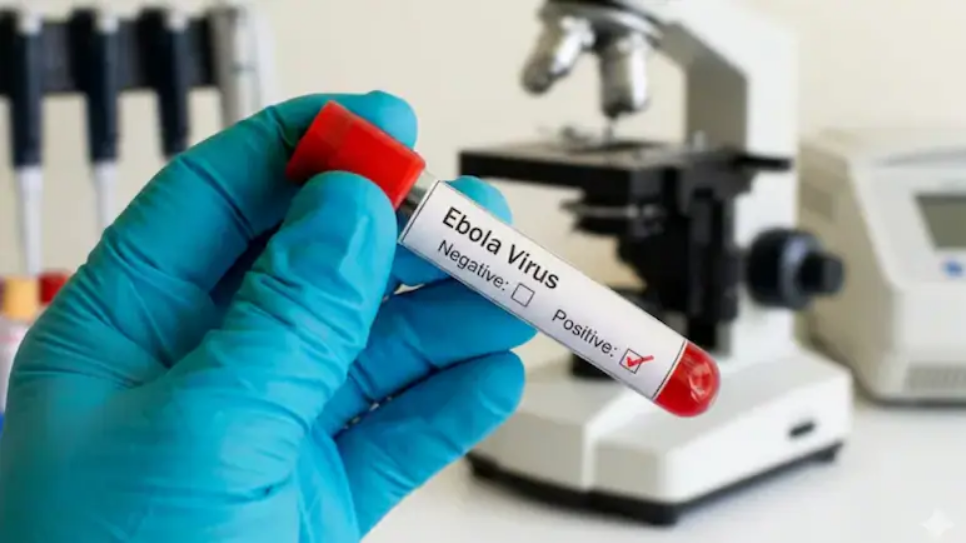
The number of confirmed Ebola cases in the Democratic Republic of the Congo (DRC) has risen to 550, including 101 deaths, with health authorities warning that the outbreak continues to trend upward. According to an update released Monday, 35 new confirmed cases, including 10 deaths, were recorded on Sunday in the eastern provinces of Ituri and North Kivu. Seven additional patients recovered, bringing the total to 19. The outbreak was still on an upward weekly trend and the recent slight decline shown in the epidemic curve may reflect delayed laboratory updates, not a real slowdown in transmission, it said. As of Sunday, 309 people were in isolation or hospitalised, including 116 confirmed cases and 193 suspected cases.
The contact follow-up rate in the three affected provinces rose to 64.4 per cent, with 5,418 contacts under follow-up and 3,489 seen. The rate remained well below the target of 95 per cent.
Laboratory capacity remained under pressure in North Kivu, with 183 test results pending due to a shortage of reagents.
The current outbreak, caused by the Bundibugyo strain of the Ebola virus, was officially declared by the DRC Health Ministry on May 15.
The affected provinces, namely Ituri, North Kivu and South Kivu, have a combined population of nearly 15 million people and face massive internal displacement and cross-border movements toward neighboring countries, Xinhua news agency reported.
Ebola disease (EBOD) is a severe disease caused by orthoebolaviruses, members of the filoviridae family, which occurs in humans and other primates. The disease was identified in 1976, in almost simultaneous outbreaks in Zaire (DRC) and Sudan (now South Sudan).
The current outbreak, caused by the Bundibugyo strain of the Ebola virus, was officially declared on 15 May. While the Bundibugyo variant is less common than the Zaire strain responsible for several previous outbreaks, it can still cause severe illness and death.
(This story has not been edited by NDTV staff and is auto-generated from a syndicated feed.)