

)
Reports of Covid-19 cases inching up in parts of India have inevitably revived memories of the devastating waves the country witnessed a few years ago. News of Covid-19-linked deaths in Andhra Pradesh and rising cases in a few Indian cities has once again triggered concern among the public. However, doctors say the situation today is very different from what India faced during the peak of the pandemic. At present, the rise in infections remains localised rather than nationwide. Andhra Pradesh has reported a small increase in Covid-19 cases, including a few related deaths, prompting the state to strengthen surveillance, testing and hospital preparedness. Similar upticks have also been reported in a few other cities and states. However, hospitals are not witnessing the overwhelming admissions, oxygen shortages or healthcare burden that characterised previous Covid-19 waves.
Why The Current Covid-19 Situation Is Different
Experts attribute the lower severity to widespread immunity developed through vaccination and previous infections, which has significantly reduced the risk of severe illness for most healthy individuals. While Covid-19 continues to circulate alongside other respiratory viruses such as influenza and RSV, it is now largely manageable for the majority of people.
According to Dr. Amitabh Parti, Senior Director and Unit Head - Internal Medicine, Fortis Memorial Research Institute, Gurugram, the focus should now be on early recognition of symptoms and responsible behaviour rather than panic.
Also read: Ebola Outbreak: Why RT-PCR Is The Gold Standard For Testing Infections
Symptoms You Shouldn't Ignore
"Anyone experiencing symptoms such as fever, sore throat, cough, body aches, fatigue, or loss of taste and smell should get tested and avoid close contact with others. If diagnosed with Covid-19, patients should isolate at home, stay well hydrated, eat a nutritious diet, and monitor their symptoms. Most people recover within a few days with adequate rest and supportive care, but those with breathing difficulty, persistent high fever, chest pain, confusion, or low oxygen levels should seek immediate medical attention," advises Dr Parti.
Who Is At Higher Risk?
Doctors say older adults, pregnant women, and people with diabetes, heart disease, chronic lung disease, kidney disease, cancer, or weakened immunity remain more vulnerable to severe illness. These individuals should seek medical advice early if symptoms develop instead of waiting for them to worsen.
Precautions To Reduce The Risk Of Infection
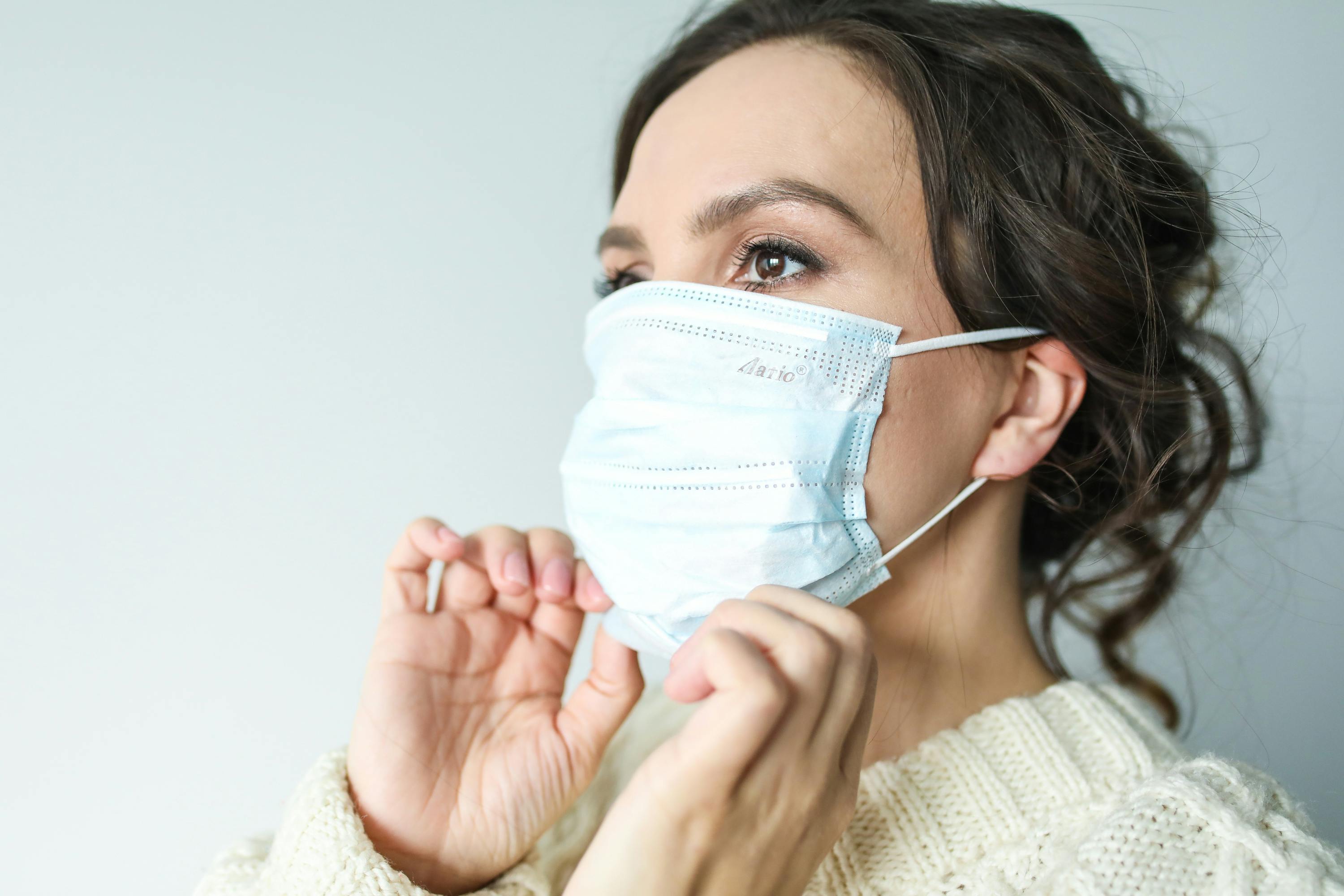
Dr. Parti advises following simple preventive measures to reduce the risk of infection. "Wash your hands regularly with soap and water or use an alcohol-based hand sanitiser, especially after visiting public places. Wear a well-fitted mask in crowded indoor settings or healthcare facilities, particularly if you are at high risk. Ensure good ventilation in homes and workplaces by keeping windows open whenever possible. Stay up to date with Covid-19 vaccinations and booster doses as recommended by health authorities, especially for vulnerable groups," he adds.
Why Frequent Travellers Should Be Extra Careful
The expert also has a specific advisory for people who travel frequently. "Anyone who develops flu-like symptoms after travelling should undergo a Covid-19 RT-PCR test to confirm the diagnosis. Current recommendations also suggest that isolation is generally limited to five to seven days, depending on symptom resolution and clinical recovery," Dr Parti explains.
Also read: Are Those With Comorbidities Still At Risk Of Developing Severe Covid Complications?
Don't Panic, Stay Prepared
Experts also caution against unnecessary panic testing. Monitoring symptoms and seeking timely medical consultation is considered more useful than repeatedly testing without clinical indications. Home isolation, adequate hydration, nutritious meals and sufficient rest remain the cornerstone of recovery for mild infections. The key message, experts say, is not to panic. Covid-19 is no longer the same public health emergency it once was, but it has not disappeared either. Responsible behaviour, early testing when symptoms develop, timely medical consultation and adherence to isolation guidelines remain the best ways to prevent transmission and ensure a smooth recovery. Staying vigilant, especially during travel and seasonal spikes, can help protect both individuals and vulnerable family members.
Disclaimer: This content including advice provides generic information only. It is in no way a substitute for a qualified medical opinion. Always consult a specialist or your own doctor for more information. NDTV does not claim responsibility for this information.