

)
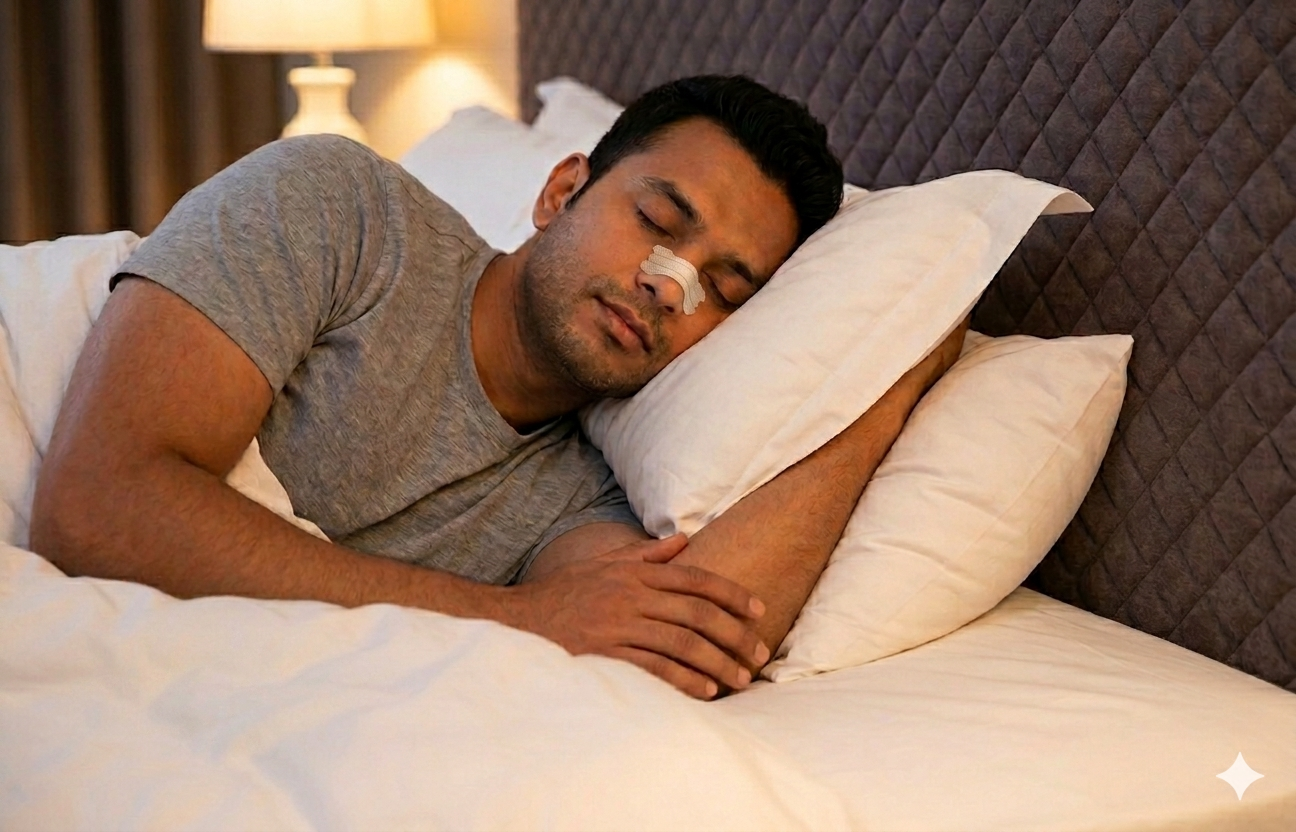
Magnetic nose strips are becoming easily available in online pharmacies and medical stores. The thin strip that is applied to your nose claims to offer a solution to snoring and breathing problems that affect people's sleep. But the real question lies in asking, do they really work, or are they just placebo products that make people think that their problems are being solved? When it comes to science, the magnetic part of the nose strips has no science behind it, but the nose strips do have some science behind them, as mentioned in the Allergy, Asthma and Clinical Immunology journal. The magnetic nose strips can mechanically open nasal passages, potentially improving airflow, reducing snoring, and enhance sleep quality. Although this may help to a certain extent, the clinical evidence behind their positive impact is limited.
What Are Magnetic Nose Strips?
The magnetic nose strips are specifically designed to be placed over the nose using embedded magnets or using spring tension. They claim and are marketed to open nasal passages and improve airflow, but the individuals who use them report mixed findings. The impact of magnets on the nose hasn't been explored, as people have reported placebo outcomes in a randomised controlled trial. This has been published in the Allergy, Asthma and Clinical Immunology journal.
NDTV spoke to Dr. Aditya Nag, Assistant Professor, Department of Respiratory Medicine, NIIMS Medical College and Hospital, who explains, " Magnetic nasal strips are one of the newest and most popular solutions to enhance breathing while sleeping. Many individuals use these strips to experience relief from nasal congestion, reduce or eliminate snoring, and generally improve mild discomfort from breathing. But before you use one for these purposes, it is advisable to examine the medical research available to see if there is any evidence that supports the effectiveness of these strips with respect to breathing."
How Are Magnetic Nose Strips Supposed To Work?
The mechanism behind these magnetic nose strips is supposed to pull the nasal walls outward. When they constrict, the individual suffers from the inability to breathe properly during the sleep cycle.
- Reduce collapse during sleep, which can be jarring for the individual experiencing breathing issues.
- Improve airflow through the nasal passages opening, but their long-term use remains unresearched.
Do Magnetic Nose Strips Actually Reduce Snoring?
There is clinical evidence on nose strips, but specific research on magnetic nose strips and their inability to reduce snoring is hazy. Nose strips do offer short-term relief from snoring; the long-term root cause needs to be figured out by a medical professional. People with a deviated septum suffer from chronic snoring issues. While there are benefits, the limitations also exist, wherein it is not as effective if:
- Presence of throat obstruction, which needs to be treated by a medical professional.
- Obesity-related sleep apnoea, as highlighted in the Sleep Medicine Reviews, can be behind snoring.
- Alcohol or sedatives can increase the incidence of snoring, so knowing when to use a nasal strip is necessary.
Note: Some people may benefit from nasal snoring, but others need to know the root cause behind their excessive snoring.
Also Read: Do You Feel Tired Even After 8 Hours Of Sleep? 6 Conditions That Cause Sleep Fatigue
Can They Really Make Breathing Easier?
The proven health benefits of using nasal strips can benefit those with the following issues, as highlighted in the ENT Journal:
- Mild nasal congestion, which needs relaxed nasal passages for relief.
- Deviated septum (minor cases); major cases require medical intervention.
- Those with allergic rhinitis can benefit from using nasal strips to make their breathing easier.
Note: Ordinary nasal strips or magnetic nasal strips are not a cure for chronic breathing disorders.
To breathe more easily at night and for nasal congestion relief, using nasal strips that work according to the length and width of your nose is needed. The packet has different sizes listed; choose accordingly.
Who May Benefit From Using Nose Strips?
Nose strips can be used by people to seek relief from short-term issues with their snoring, sleep disturbances, or breathing issues. Here are those who can benefit from using nose strips:
- People with blocked nasal passages can benefit from using nasal strips.
- People who breathe through the mouth while sleeping can benefit from using nasal strips due to nasal narrowing.
- Occasional or seasonal snorers can also benefit from the mechanism of nasal strips.
Note: To figure out the best nose strips for snoring that can work for you, you need to look at their size and the adhesive used to make them stick to your nose.
Also Read: Struggling To Get Deep Sleep? Here's How Much Physical Activity Your Body Actually Needs
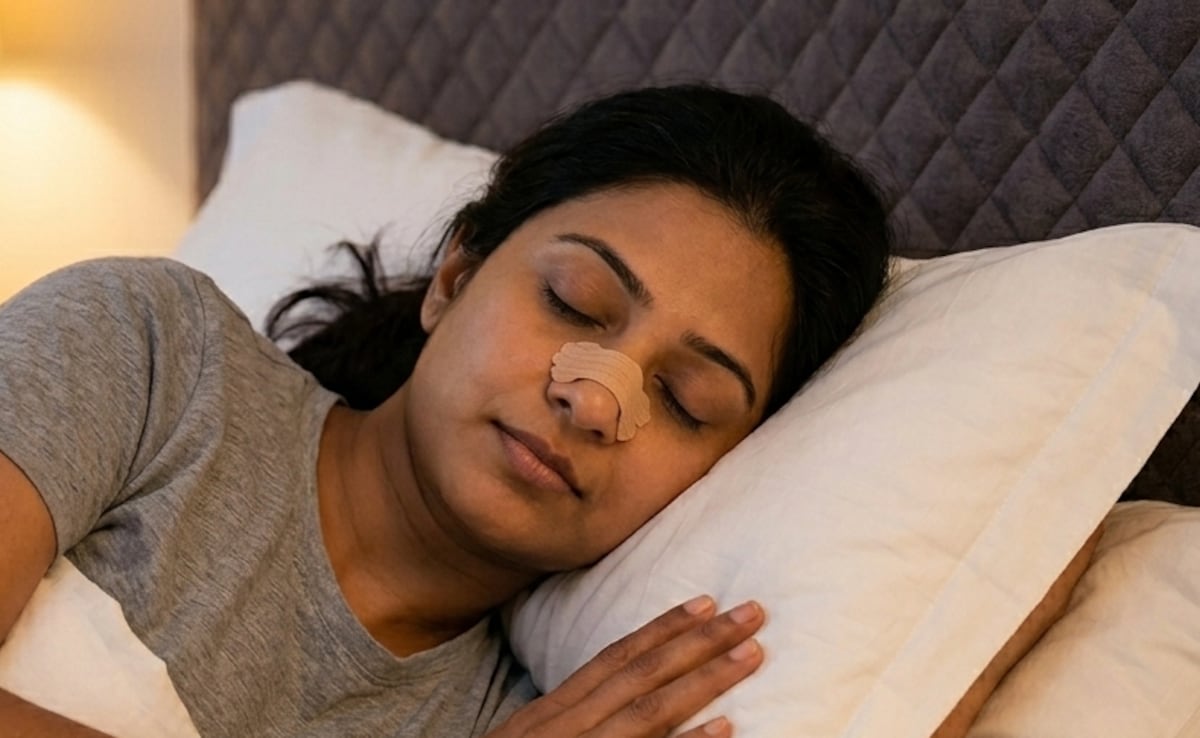
Magnetic nasal strips can health benefits as well as side-effects for people who suffer from snoring
Photo Credit: AI generated image
Who Should Not Rely On Nose Strips?
Nose strips should not be used by a particular group of people, as their existing medical issues can get worse. Here are some of the people who should not rely on using nasal strips:
- People with loud and chronic snoring need medical help, as their inability to sleep will impact their health, along with their partners' or family's as well.
- Those with sleep apnoea symptoms should consult a medical professional for the right machine that can reduce their health issues.
- Individuals experiencing choking and gasping at night should not use nasal strips, as they can worsen their symptoms.
Possible Side Effects Or Limitations Of Nasal Strips
- Nasal strips have limitations, as they are man-made items that promise to relieve issues.
- Skin irritation can occur as the nasal strip latches onto the sensitive part of the nose.
- Adhesive allergy is possible, as every product has a different composition.
- Nasal strips provide temporary relief only; for long-term solutions, consult a medical professional.
- Ineffective for throat-based snoring, as the mechanism that nasal strips address is different.
Magnetic nasal strips have side effects that need to be kept in mind, as how they impact you should be understood before using them.
Magnetic nose strips can help some people, not everyone, as there is no one-size-fits-all solution to snoring. The effects vary based on the user's experience and need, and it is best for mild nasal blockage, not medical snoring disorders. For persistent snoring, you need to get medically evaluated, and the medical specialist can advise the best course of action.
Disclaimer: This content, including advice, provides generic information only. It is in no way a substitute for a qualified medical opinion. Always consult a specialist or your own doctor for more information. NDTV does not claim responsibility for this information.