

)
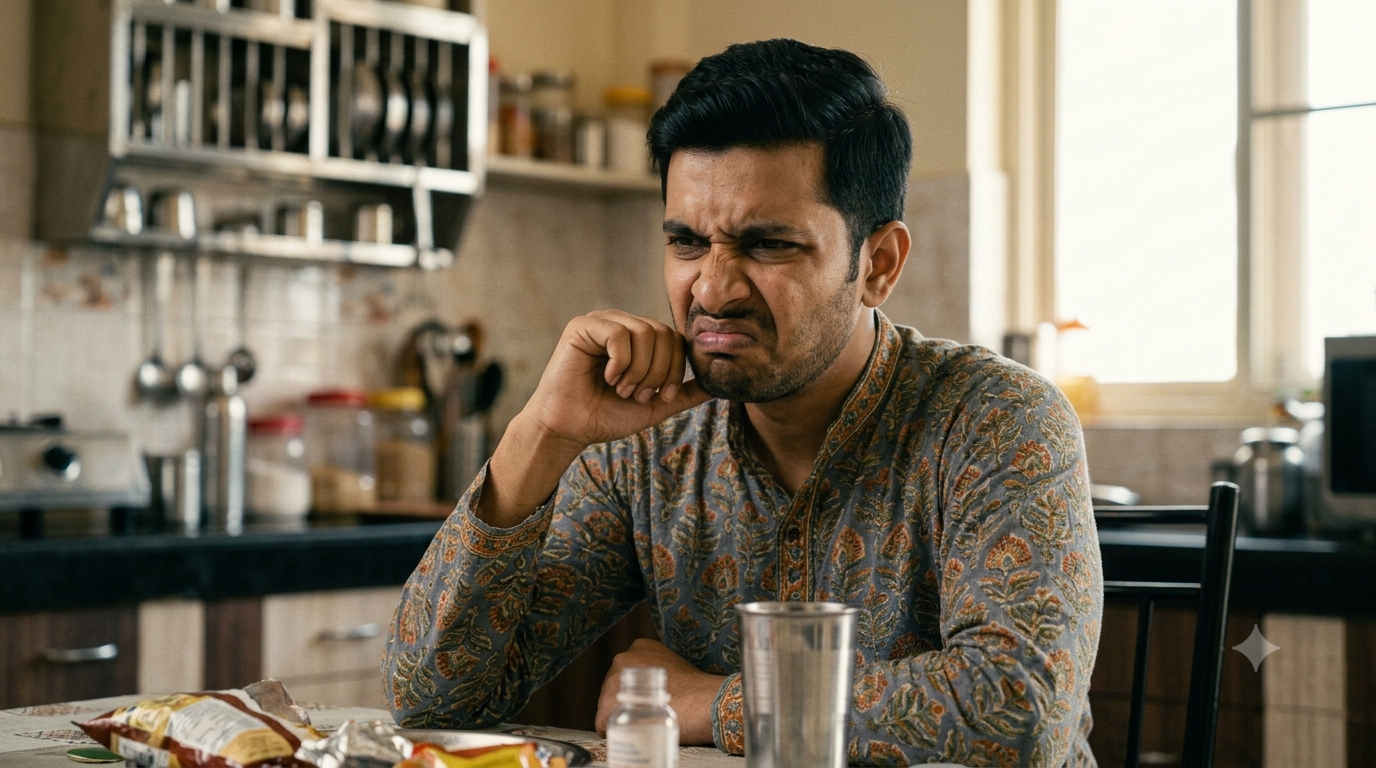
For most people, the ability to enjoy the aroma of freshly brewed coffee, to savour a favourite meal or to notice the scent of flowers is something that is rarely given a thought - until it starts to go. Changes in smell and taste are frequently ignored as an inevitable part of getting older, but they are not always a normal consequence of ageing. These senses may gradually become less sensitive over time, but a sudden or persistent loss sometimes points to a medical condition that requires treatment.
Our senses of smell and taste are important not only for the enjoyment of food, but also for nutrition, safety and overall quality of life. Being aware of when these changes are expected and when they may be indicative of a health problem can help to ensure timely diagnosis and treatment.
Smell and Taste: More Connected Than You Think
Many people think they've lost their sense of taste, but the problem is with their sense of smell.
Taste buds detect five basic tastes - sweet, salty, sour, bitter and umami. Much of the rich flavours we experience when eating are produced by the brain combining information from the taste buds with aromas detected through the nose. That's why food tastes bland when you have a cold and your nose is blocked. So, a reduced sense of smell can have a much greater impact on eating than most people realise.
Is It Just Ageing?
As we get older, the number of smell receptors in the nose decreases, and the nerve signals that transmit information to the brain may not work as well. Taste buds may also become somewhat less sensitive, particularly after age 60.
But these changes usually occur slowly and are often mild. Sudden, marked or progressive loss of smell or taste is not a normal part of ageing. If they come on for no apparent reason or last for several weeks, they should be assessed by a healthcare professional.
Common Causes Beyond Ageing
Several conditions can temporarily or permanently affect the senses of smell and taste.
-
Viral infections
Respiratory viral infections remain one of the most common causes. COVID-19 highlighted how viruses can directly affect smell, but common colds and influenza may also temporarily reduce smell and taste by causing inflammation within the nasal passages.
-
Nasal and sinus conditions
Allergic rhinitis, chronic sinusitis and nasal polyps can block airflow to the smell receptors, reducing the ability to detect odours. Treating the underlying nasal condition often improves symptoms.
-
Head injuries
A blow to the head can damage the nerves responsible for carrying smell signals from the nose to the brain. Recovery varies depending on the severity of the injury.
-
Lifestyle factors
Smoking, exposure to certain chemicals and poor oral hygiene may impair smell and taste over time.
-
Nutritional deficiencies
Low levels of nutrients such as zinc and vitamin B12 can interfere with normal nerve function and contribute to altered taste or smell.
-
Medications
Some antibiotics, blood pressure medicines, antidepressants, chemotherapy drugs and other medications may temporarily affect these senses as a side effect. Any concerns should be discussed with a doctor before stopping prescribed medication.
Could It Be a Sign of a Neurological Condition?
In some individuals, changes in smell may be one of the earliest signs of certain neurological disorders.
Reduced smell has been associated with conditions such as Parkinson's disease and Alzheimer's disease, sometimes appearing years before more recognisable symptoms develop. Researchers believe this may occur because the areas of the brain involved in smell can be affected early in the disease process.
It is important to remember that most people who lose their sense of smell do not have a neurological disorder. However, persistent, unexplained smell loss should not simply be ignored, particularly if it is accompanied by memory problems, changes in movement, balance difficulties or other neurological symptoms.
Why These Changes Matter
Losing the ability to smell or taste affects far more than the enjoyment of food.
People may experience:
- Reduced appetite
- Unintentional weight loss
- Poor nutritional intake
- Difficulty detecting spoiled food
- Inability to notice smoke, gas leaks or chemical fumes
- Reduced enjoyment of meals and social dining
- Feelings of frustration, anxiety or depression
For some individuals, these changes can significantly affect emotional well-being and daily independence.
Warning Signs You Shouldn't Ignore
Although many cases improve on their own, certain symptoms require prompt medical assessment.
Seek medical advice if you experience:
- Sudden complete loss of smell or taste without an obvious cause
- Symptoms lasting longer than two to four weeks
- Progressive worsening over time
- Loss affecting only one side of the nose
- Recurrent nosebleeds or persistent nasal blockage
- Facial numbness or weakness
- Severe headaches
- Memory changes, tremors or balance problems alongside smell loss
- Unexplained weight loss or poor appetite
These symptoms may indicate an underlying ENT, neurological or systemic condition that requires further investigation.
How Doctors Identify the Cause
Finding the reason for smell or taste loss begins with a detailed medical history and physical examination.
Depending on the symptoms, investigations may include:
- Examination of the nose, mouth and throat
- Nasal endoscopy to assess the nasal passages and sinuses
- Standardised smell and taste testing
- Blood tests to check for nutritional deficiencies, thyroid disease or other medical conditions
- CT or MRI scans if structural abnormalities or neurological conditions are suspected
- Neurological assessment when indicated
Because several conditions can produce similar symptoms, accurate diagnosis is essential before treatment begins.
Can Smell and Taste Be Restored?
Recovery depends largely on the underlying cause.
When symptoms are related to viral infections, improvement may occur gradually over weeks or months. Treating allergies, sinus disease, or nasal polyps often restores smell once inflammation is controlled. Correcting vitamin deficiencies or adjusting medications, where appropriate, may also improve symptoms.
For some people, smell training has shown encouraging results. This involves repeatedly smelling familiar scents such as rose, lemon, eucalyptus and clove over several months to help stimulate recovery of the olfactory pathways. It is usually recommended under medical guidance, particularly following viral-related smell loss.
Even when complete recovery is not possible, supportive treatments can help people adapt and improve their quality of life.
Looking After Your Senses
Although not every cause can be prevented, several healthy habits may help protect smell and taste:
- Avoid smoking and exposure to harmful chemicals
- Manage allergies and sinus conditions promptly
- Maintain good oral and dental hygiene
- Eat a balanced diet containing essential vitamins and minerals
- Protect your head during sports and high-risk activities
- Review medications with your doctor if new symptoms develop
- Seek medical advice rather than assuming symptoms are simply due to ageing
Smell and taste are often overlooked until they begin to change, yet they play a vital role in nutrition, safety and overall wellbeing. While a gradual decline can occur with age, sudden or persistent loss is not something that should be accepted as normal.
Many causes, including infections, allergies, nutritional deficiencies and medication side effects, are treatable. In some cases, changes in smell or taste may also provide an early clue to neurological or other systemic conditions. Recognising the warning signs and seeking timely medical evaluation can lead to earlier diagnosis, appropriate treatment and better long-term outcomes. If food no longer tastes the same or familiar scents begin to disappear, it is worth listening to what your body may be trying to tell you.
(Dr. Avvaru Satya kiran, Senior ENT Head & Neck Consultant; Chief Cochlear Implant & Lateral Skull Base Surgeon, Yashoda Hospitals, Hyderabad)
Disclaimer: The opinions expressed within this article are the personal opinions of the author. NDTV is not responsible for the accuracy, completeness, suitability, or validity of any information on this article. All information is provided on an as-is basis. The information, facts or opinions appearing in the article do not reflect the views of NDTV and NDTV does not assume any responsibility or liability for the same.