

)
Zinc is an essential nutrient that your body needs for several important functions. It offers some impressive health benefits like better immunity, controlled blood sugar levels, boosts heart health, controls macular degeneration and boosts skin and hair health. Zinc is also important for healing injuries and creating DNA. Your body does not produce zinc naturally, food sources and supplements help fulfill the daily requirement. Insufficient intake may lead to zinc deficiency. One may experience several signs and symptoms due to low zinc levels inside the body. Here are some of the symptoms you may experience and how to fight these.
Zinc deficiency: Signs and symptoms you need to know
Some of the common zinc deficiency signs that can be noticed are-
1. Unexplained weight loss
2. Reduced sense of smell and taste
3. Slow healing of wounds
4. Frequent diarrhea
5. Reduced appetite
6. Skin conditions such as eczema or acne
7. Poor mental health
8. Hair fall

Zinc deficiency can lead to hair fall
Photo Credit: iStock
How to fight zinc deficiency?
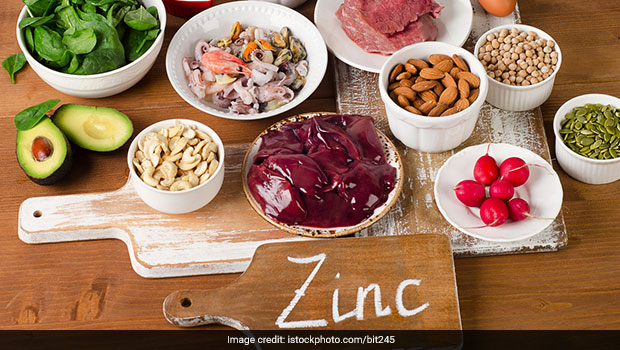
According to Mayo Clinic, the recommended daily amount of zinc is 8 milligrams (mg) for women and 11 mg for adult men. Several foods are naturally loaded with zinc. Some of the food sources are- red meat, oysters, baked beans, chickpeas, lentils, hemp seeds, flax seeds, pumpkin seeds, eggs, dairy products, whole grains and nuts like cashews and almonds.
If you are experiencing these symptoms quite frequently, you must consult a doctor. Pregnant women and breastfeeding mothers should also get their zinc levels checked.
Also read: 5 Nutrients You Should Not Miss To Maintain Healthy Eyesight
Disclaimer: This content including advice provides generic information only. It is in no way a substitute for qualified medical opinion. Always consult a specialist or your own doctor for more information. NDTV does not claim responsibility for this information.