

)
We often associate ageing eyes with our parents or grandparents. Difficulty reading small print, needing brighter light or holding a phone farther away are usually considered inevitable signs of getting older. But today, eye specialists are seeing an important shift: our modern lifestyles are placing considerable demands on our eyes much earlier in life.
Smartphones, laptops and other digital screens have become part of almost every waking hour. Add inadequate sleep, prolonged near work, sedentary habits, poor nutrition and insufficient time outdoors, and the result can be a growing burden of eye discomfort and visual problems. A modern lifestyle can also involve long periods of near work, sedentary habits and limited outdoor time, which can add to the overall burden on the eyes.
This does not mean that screens literally make the eyes "age" overnight. Rather, certain lifestyle habits can contribute to digital eye strain, dry eye symptoms and visual fatigue, while age-related eye conditions continue to have their own biological and genetic risk factors.
The Hidden Cost Of Staring At Screens
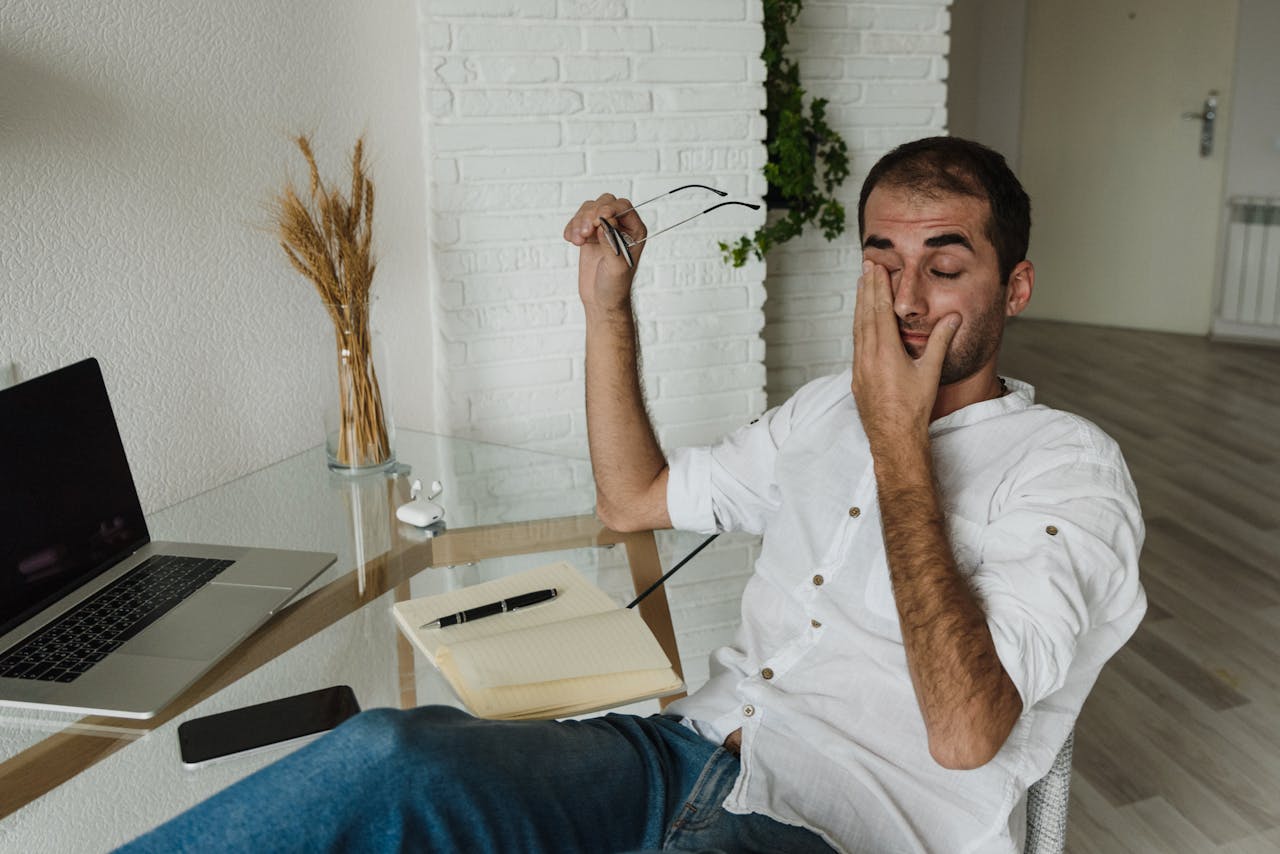
When we concentrate on a screen for prolonged periods, we tend to blink less frequently and incompletely. This can destabilise the tear film, the thin layer of moisture protecting the surface of the eye leading to dryness, burning, irritation, watering or a gritty sensation. Reduced blinking during screen use is an important reason the eyes may feel dry, irritated or tired.
Another problem is sustained near work. Whether it is responding to emails, scrolling through social media or working on a laptop, our eyes remain focused at a relatively close distance for extended periods. This can contribute to eye fatigue and temporary difficulty shifting focus between near and distant objects.
For children and young adults, the concern extends beyond temporary discomfort. Increasing amounts of near work combined with insufficient outdoor time have been associated with the growing prevalence of myopia, or short-sightedness.
Poor Sleep Does Not Give The Eyes Enough Time To Recover
Sleep is often sacrificed for work deadlines, late-night scrolling or binge-watching. Yet adequate sleep is important for the body's overall recovery, including the ocular surface.
People who regularly sleep poorly may experience dry, irritated or tired eyes, difficulty concentrating visually and increased sensitivity to light. Late-night screen use can also encourage people to stay awake longer, creating a cycle in which screen exposure contributes indirectly to inadequate sleep.
The solution is not necessarily to abandon technology, but to establish boundaries around its use, particularly before bedtime.
Lifestyle Matters More Than We Realise
Eye health is closely connected to overall health. Smoking, uncontrolled diabetes, hypertension and an unhealthy diet can increase the risk of several eye diseases. Prolonged sedentary behaviour can also accompany lifestyle patterns that are less favourable for cardiovascular and metabolic health.
A diet containing a variety of vegetables, fruits, nuts, seeds and other nutrient-rich foods supports overall health and provides nutrients important for normal eye function. Regular physical activity is equally important. A nutrient-rich diet that includes vegetables, fruits and nuts, together with regular physical activity, can support overall eye health.
Perhaps one of the simplest interventions is also one of the most overlooked: spending time outdoors. For children in particular, regular outdoor exposure is associated with a lower risk of developing myopia.
Give Your Eyes A Healthier Routine
Small behavioural changes can make a meaningful difference. During prolonged screen use, follow the 20-20-20 approach: every 20 minutes, look at something around 20 feet away for about 20 seconds. Keep screens at a comfortable distance, adjust brightness and room lighting, and avoid unnecessary prolonged viewing. The 20-20-20 approach can be supported by adjusting screen brightness and room lighting and by making a conscious effort to blink regularly.
Blinking consciously can help when working on a screen, while people experiencing persistent dryness may need evaluation by an eye-care professional rather than relying indefinitely on self-medication.
Most importantly, persistent, blurred vision, eye pain, flashes, floaters, significant redness or a noticeable change in vision should not simply be attributed to "screen fatigue." Red flags that should be evaluated by an eye-care professional include persistent, blurred vision, eye pain, flashes or floaters, significant redness and noticeable changes in vision.
The Eyes Need A Lifestyle Reset, Not A Screen Ban
Modern life is unlikely to become less digital. The answer, therefore, is not to fear technology but to use it more intelligently.
Our eyes are designed for a lifetime of use, but they also need regular breaks, adequate sleep, physical activity, healthy nutrition and appropriate medical care. Recognising these needs early can help protect vision and prevent minor symptoms from being ignored until they become significant problems.
Healthy eyes are not just about what we see on an eye chart. They are also a reflection of how we live every day.
(By Dr Girish Shankar Budhrani, Chief Medical Officer, R J Sankara Eye Hospital, Panvel, Mumbai)
Disclaimer: The opinions expressed within this article are the personal opinions of the author. NDTV is not responsible for the accuracy, completeness, suitability, or validity of any information on this article. All information is provided on an as-is basis. The information, facts or opinions appearing in the article do not reflect the views of NDTV and NDTV does not assume any responsibility or liability for the same.