

)
Amid a constant rise in dengue cases, 11 states are reporting serotype-2 dengue cases, which is a more dangerous type of dengue. The centre has asked these 11 states to take necessary steps for early detection of cases and informs that Serotype-2 dengue is associated with more complications than other forms. Dengue is a mosquito-borne viral disease that is transmitted by female mosquitoes mainly, Aedes aegypti. Every year, India sees a surge in dengue cases during monsoon. Humid temperature and stagnant water promote the breeding of mosquitoes in the monsoon.
Serotype-2 dengue: Know more about this severe form
Dengue can lead to high fever, headache, pain behind the eyes, nausea, vomiting, muscle pain, joint pain and rash. According to WHO, dengue is caused by a virus of the Flaviviridae family and there are four closely related serotypes of the virus that leads to dengue, namely DENV-1, DENV-2, DENV-3 and DENV-4.

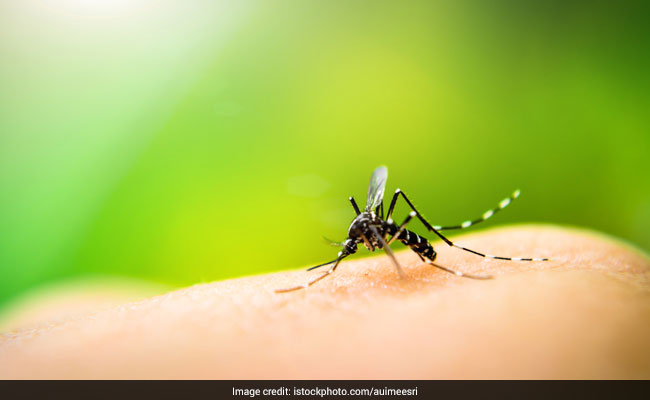
Dengue is a mosquito-borne viral disease
Photo Credit: iStock
Andhra Pradesh, Gujarat, Karnataka, Kerala, MP, Uttar Pradesh, Maharashtra, Odisha, Rajasthan, Tamil Nadu, and Telangana are the states reporting serotype-2 dengue cases.
According to a study published in the American Journal of Tropical Medicine and Hygiene, dengue serotype-2 (DEN-2) has the potential to cause dengue hemorrhagic fever, the severe form of dengue.
Dengue hemorrhagic fever can cause serious bleeding and sudden drop in blood pressure, leading to shock or death in some cases. This rare form is characterized by-
- High fever
- Damage to lymphatic system
- Circulatory system failure
- Bleeding from nose or under the skin
- Internal bleeding
- Liver enlargement
Dengue hemorrhagic fever can lead to symptoms like low blood pressure, cold, clammy skin, restlessness and weak pulse.
Also read: Dengue Fever: Signs And Symptoms To Watch Out For
How to prevent dengue fever
- Use mosquito repellent both indoors and outdoor
- Avoid collection of water at home or nearby
- Keep pots, containers and other vessels covered or upside down
- Keep your surroundings clean
- Wear full-sleeved, loose clothes
- Use nets while sleeping if required
Disclaimer: This content including advice provides generic information only. It is in no way a substitute for qualified medical opinion. Always consult a specialist or your own doctor for more information. NDTV does not claim responsibility for this information.