

)
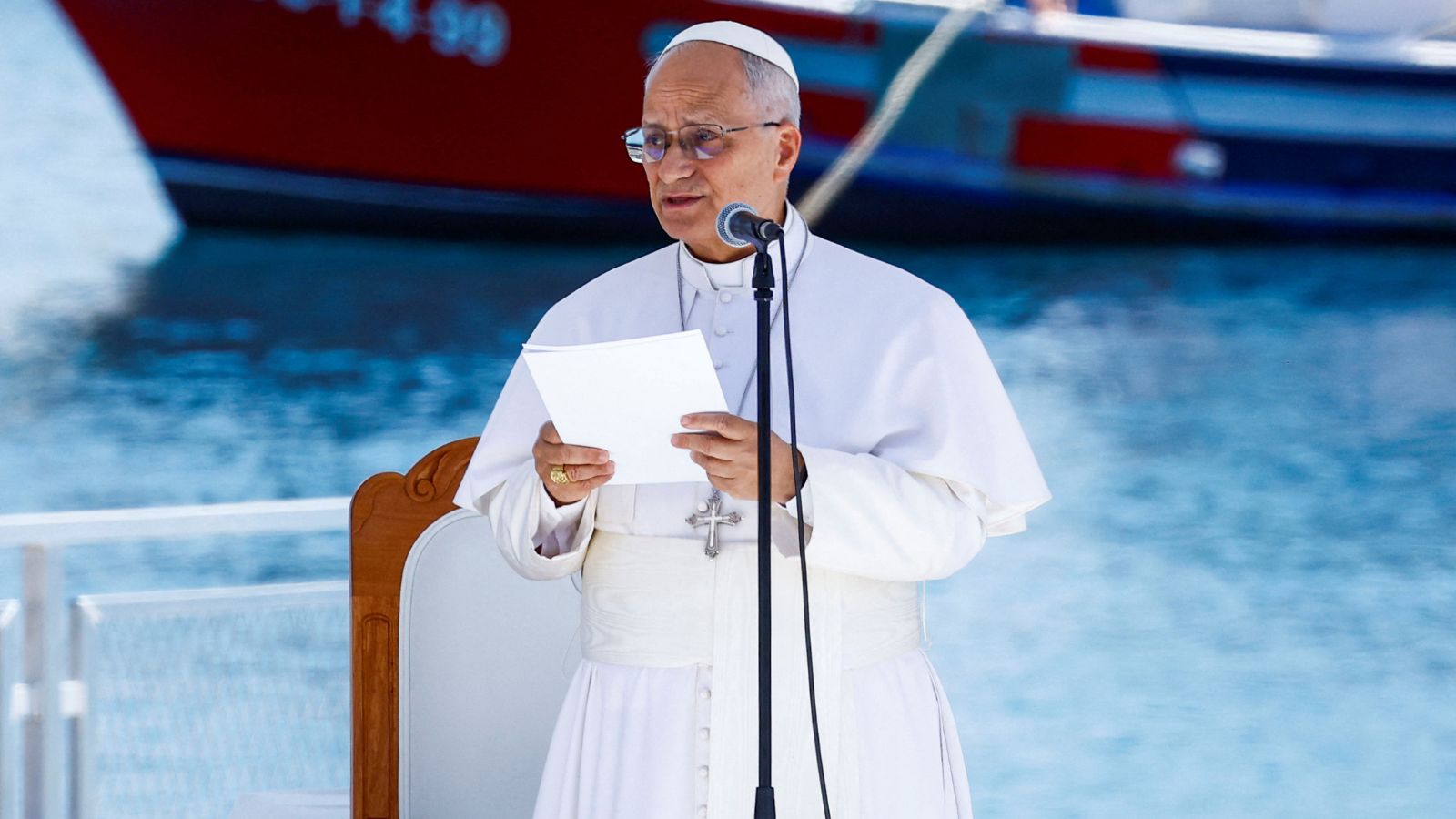
Pope Leo XIV has revealed that doctors detected a small, localised nodule in his lung during a medical examination. Here is what a lung nodule means, when it can be concerning and why doctors may recommend surgery in some cases. Pope Leo XIV is set to undergo surgery in the coming days after doctors discovered a lung nodule during a medical check-up. Speaking to the public during his weekly Sunday Angelus prayer in St Peter's Square in Rome, the 71-year-old pontiff said doctors had identified an "early, well-localised nodule" in his lung. He said his medical team believed it was appropriate to intervene and that he had agreed to the procedure. The Pope also reassured those gathered that the mass was well-contained and had been detected at an early stage. While details about the exact size, location and nature of Pope Leo's lung nodule have not been publicly disclosed, the announcement raises a common health question: Does finding a lung nodule automatically mean cancer or the need for surgery?
What Is A Lung Nodule?
A lung nodule is a small, rounded or irregular growth in the lung that is often discovered incidentally during imaging, particularly a CT scan or chest X-ray. The discovery can understandably cause anxiety because some lung nodules can be an early sign of lung cancer. However, many lung nodules are benign, meaning they are not cancerous. According to Dr Abhijeet Singh, Associate Director and Unit Head, Pulmonology, ShardaCare - Healthcity, lung nodules can develop for several reasons.
"A lung nodule is a small growth in the lung that is often detected incidentally during imaging tests such as a CT scan. While the discovery of a nodule can raise concerns about lung cancer, most nodules are not necessarily cancerous. They may also develop due to previous infections, inflammation or scarring." This means that simply finding a nodule does not establish a diagnosis of cancer.
Why Do Doctors Take Some Lung Nodules More Seriously Than Others?
Not all lung nodules have the same level of risk. Doctors assess several characteristics before deciding what should happen next. These include the size of the nodule, its shape and appearance on imaging, whether it has changed over time and the patient's medical history. A patient's age and risk factors, including a history of smoking or previous cancer, may also influence the overall assessment. Dr Singh explains, "The risk associated with a lung nodule depends on several factors, including its size, shape, appearance on imaging, growth over time and the patient's medical history."
A small nodule with features suggesting a low risk of malignancy may simply be monitored through follow-up scans. If it remains stable, doctors may continue observation rather than immediately recommending an invasive procedure.On the other hand, a nodule that grows over time or has suspicious characteristics may require more detailed evaluation.
READ | Pollution, Cough Or Infection? How To Tell What's Causing Your Winter Symptoms
Does Every Lung Nodule Need A Biopsy?
The next step depends on the estimated risk associated with the nodule. In some cases, doctors may recommend repeat imaging after a specific interval to determine whether the nodule changes. If further assessment is required, investigations can include a PET scan, biopsy or other diagnostic procedures.
A biopsy involves obtaining a sample of tissue so that it can be examined under a microscope. However, the decision to perform one depends on factors such as the location and characteristics of the nodule, as well as the patient's overall condition. The goal is to determine whether the nodule represents cancer, an infection, inflammation or another condition.
Why Would Doctors Recommend Surgery?
The word "surgery" can sound alarming after the discovery of a lung nodule, but an operation does not necessarily mean that cancer has already been confirmed. Surgery may be considered when imaging suggests a significant possibility of malignancy, when a biopsy is inconclusive or when doctors believe removing the nodule is the safest way to establish a definitive diagnosis and treat the suspected disease.
"Surgery may be considered when a nodule has features that raise concern for cancer, when other tests cannot establish a clear diagnosis, or when removing it is considered the most appropriate course of treatment. The procedure allows doctors to remove the suspicious tissue and send it for laboratory examination. This helps establish whether the nodule is benign or cancerous and, if cancer is present, guides decisions about further treatment.
The extent of surgery depends on the location and characteristics of the nodule. In selected cases, surgeons may remove only a small portion of lung tissue containing the nodule, preserving as much healthy lung as possible. The appropriate approach is determined by the treating team after evaluating the patient's condition," says Dr. Avi Kumar, Senior Consultant Pulmonology, Fortis Hospital, Okhla.
Dr Singh says, "Surgery may be considered when imaging findings or biopsy results suggest a significant risk of malignancy, or when a definitive diagnosis cannot be established through less invasive methods." The decision is individualised and depends on the nodule's characteristics, its location and the patient's overall health. In selected cases, removing a suspicious lesion at an early stage can also be an important part of cancer treatment if malignancy is subsequently confirmed.
What Does 'Detected Early And Well-Localised' Mean?
When a lung lesion is described as early and well-localised, it generally suggests that doctors have identified it before there is evidence, based on the information available, that it has become widespread. However, the exact implications cannot be determined without knowing details such as the nodule's size, imaging characteristics, pathology and whether there is any involvement of nearby structures or lymph nodes. In Pope Leo's case, no detailed medical information about the nodule or the planned operation has been publicly disclosed. Therefore, it would be inappropriate to assume that the nodule is cancerous simply because surgery has been recommended.
What Happens After A Lung Nodule Is Found?
Doctors generally begin by assessing the patient's clinical history alongside the imaging findings. Depending on the individual case, they may recommend:
- Follow-up CT scans to monitor the nodule
- PET imaging to assess metabolic activity
- A biopsy to examine the tissue
- Additional pulmonary or specialist evaluation
- Surgical removal when clinically indicated
The approach is based on the estimated risk rather than the mere presence of a nodule. Dr Singh emphasises that surgery is not automatically required, "Importantly, not every lung nodule requires surgery. Timely follow-up and an individualised assessment are essential to ensure that patients receive appropriate care."
Why Early Detection Matters
One of the most important aspects of Pope Leo's announcement is the emphasis on early detection. Lung nodules are frequently found incidentally, meaning a person may not have any symptoms related to the lesion when it is discovered during an imaging test performed for another reason. Early identification allows doctors to assess the nodule before deciding whether observation, additional testing or treatment is appropriate. If a suspicious nodule does turn out to be cancerous, identifying it at an earlier stage can potentially provide more treatment options and improve the chances of successful management.
A lung nodule is not synonymous with lung cancer. Many are linked to previous infections, inflammation or scarring and may simply require monitoring. However, certain nodules can be suspicious and need further investigation. Doctors consider their size, appearance, growth pattern, location and the patient's medical history before deciding on the next step. In some cases, surgery may be recommended because cancer is strongly suspected or because removing the nodule is necessary to obtain a definitive diagnosis.
For Pope Leo XIV, the available information indicates that doctors discovered a localised lung nodule at an early stage and have recommended surgery. Until further medical details are released, the exact nature of the nodule cannot be determined publicly. The key message for anyone who has been told they have a lung nodule is simple: do not panic, but do not ignore follow-up either. Timely evaluation by a qualified doctor is essential to understand what the finding means and whether it needs observation, further testing or treatment.
Disclaimer: This content including advice provides generic information only. It is in no way a substitute for a qualified medical opinion. Always consult a specialist or your own doctor for more information. NDTV does not claim responsibility for this information.