

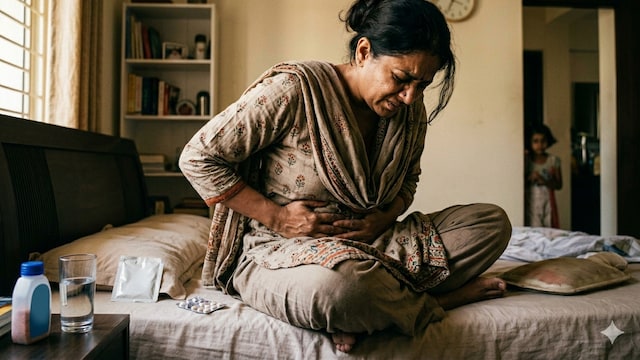
Gut health is not just about having a happy stomach. The gut helps break down food, absorb nutrients and support the immune system. It also communicates with the brain through a connection known as the gut-brain axis. This is one reason why stress can sometimes leave you with an upset stomach, or why digestive problems can affect how you feel through the day.
Our eating habits, sleep schedule, physical activity and stress levels can all affect our digestive health. But does every health problem begin in the gut? Not quite. Conditions such as diabetes, PCOS and autoimmune diseases have different causes, and gut health is only one area researchers continue to study in relation to some of them.
Nutritionist Deepsikha Jain brings up this subject in an Instagram video. She talks about how the way we look after our health today can matter in the years to come.
What Does Deepsikha Jain Say?
In the video, Deepsikha says, "The diabetes in your 40s actually started in your gut when you were 30s, ignoring your metabolic health."
She also talks about Parkinson's disease, hormonal imbalances and autoimmune conditions, linking them to health and lifestyle factors that may develop over time.
The nutritionist's point is that we often start taking our health seriously only after a diagnosis. Until then, irregular meals, poor sleep, stress and other habits can easily take a backseat.
Signs You Should Not Keep Ignoring
In her Instagram caption, Deepsikha Jain writes, "99% of your health problems may have a connection to your gut health."
She also mentions a few common complaints that people often dismiss:
- Bloating: Your stomach feels swollen or uncomfortably full.
- Acidity: You experience a burning sensation, particularly after meals.
- Irregular bowel movements: You often deal with constipation or diarrhoea.
- Discomfort after eating: Meals regularly leave you feeling uneasy or heavy.
Do not wait for your body to force you to slow down. Pay attention to your eating habits, manage stress and do not ignore digestive issues that keep coming back.
Disclaimer: This content including advice provides generic information only. It is in no way a substitute for a qualified medical opinion. Always consult a specialist or your own doctor for more information. NDTV does not claim responsibility for this information.