

)
Garlic adds a strong flavour to your different recipes. Not just taste, garlic can offer some amazing health benefits too. Garlic is present in almost every Indian kitchen. These small cloves are loaded with properties beneficial for your overall health. Garlic helps boost immunity and promotes digestion. It also contains anti-bacterial properties. You can add garlic to your diet in several ways. It can be added to food during preparation. You can also use a small amount of finely chopped garlic as a topping. Many don't know that garlic is beneficial for heart health too. It helps in controlling various risk factors contributing to heart disease. Read here to understand different ways garlic can help control the risk of heart disease.
Garlic for heart health: Here's how it is beneficial
Garlic is beneficial for your heart health by controlling various risk factors that can lead to heart disease.
1. It helps in controlling blood pressure
According to a study published in the Journal of Nutritional Biochemistry, garlic extract can help control blood pressure. Uncontrolled high blood pressure leads to heart disease, therefore it is necessary to follow right measures to fight hypertension.

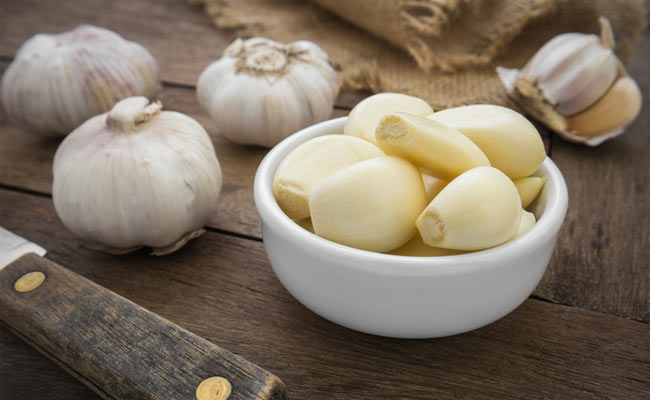
Garlic may help control blood pressure
Photo Credit: iStock
2. Help control cholesterol levels
Bad cholesterol deposits in the arteries which can reduce the flow of blood and put more stress on your heart. Studies also suggest that garlic can help in controlling cholesterol levels. You should also exercise regularly to control cholesterol.
Also read: 6 Diet Tips You Must Follow For A Healthy Heart
How to add garlic to your diet
As mentioned earlier you can add garlic to different foods or as a topping. Raw garlic can also be consumed as first thing in the morning with a tall glass of water. Garlic can also be added to soups. Garlic tea is another healthy option to choose from.
Also read: Do Not Miss These Amazing Health Benefits Of Drinking Garlic Tea; Learn The Method To Prepare
Disclaimer: This content including advice provides generic information only. It is in no way a substitute for qualified medical opinion. Always consult a specialist or your own doctor for more information. NDTV does not claim responsibility for this information.