

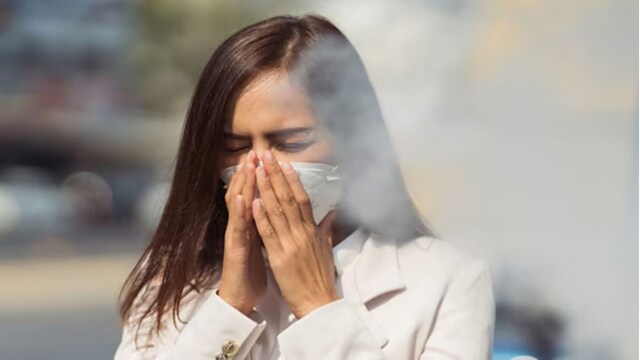
Winter in Delhi-NCR no longer just brings a crisp chill and festive cheer, it brings a familiar, heavy blanket of smog. As the Air Quality Index (AQI) begins its seasonal spike, Delhi is rolling out a strategy to tackle winter air pollution weeks before the onset of seasonal smog. Measures like a ban on dust-generating construction work, a 50% work-from-home arrangement and restrictions on older vehicles will take effect from November 1, 2026. For families, staying healthy requires more than just checking the weather forecast. It demands a fundamental shift from reactive panic to a structured, daily routine that protects their overall health and well-being.
"Poor air quality can irritate the respiratory tract, worsen asthma and other lung conditions, and increase cardiovascular stress. Children, older adults, pregnant women and people with pre-existing heart or lung diseases need particular attention because they may be more vulnerable to the effects of polluted air," says Dr. Pankaj Chhabra, Director and Head - Pulmonology and Sleep Medicine, Sarvodaya Hospital, Faridabad.
How to build a clean air routine
1. Check AQI daily
The first step towards building a clean-air routine is to check the daily AQI before planning outdoor activities. "On days when air quality deteriorates, families should limit prolonged outdoor exertion, particularly activities such as running, cycling and outdoor sports. Parents should consider adjusting children's playtime and school commute routines according to official advisories and local conditions. If outdoor exposure is unavoidable, choosing routes away from heavy traffic and avoiding strenuous exercise near busy roads can help reduce exposure," recommends Dr. Chhabra.
READ | Delhi's Toxic Air Linked To Gastrointestinal Cancer In Children As Young As 15, Reveals Doctors
2. Keep indoors safe
Indoor air quality also deserves equal attention. Keep windows closed during periods when outdoor pollution is high, while ventilating rooms when outdoor air quality improves. Avoid smoking indoors, burning incense or dhoop excessively, and using candles or other products that release smoke and fine particles. "Damp dusting and wet mopping can help reduce settled dust, while a properly sized air purifier with a HEPA filter may help lower indoor particle levels. Air purifiers should be maintained according to the manufacturer's instructions."
3. Fix your routine
Families should also rethink their commuting habits. Walking or exercising alongside congested roads can increase exposure to vehicle emissions. Whenever practical, choose less congested routes, use vehicle air-conditioning on recirculation mode during heavily polluted journeys and avoid unnecessary outdoor trips during severe pollution episodes.
READ | Delhi Pollution and Schoolchildren: Should Parents Change Outdoor Activity Routines?
4. Build internal defences with nutrition
A solid clean-air routine doesn't stop at environmental barriers, it involves building internal resilience against systemic inflammation. Load your family's diet with foods rich in Vitamins A, C, and E. Integrate powerhouses like amla, citrus fruits, jaggery, spinach, and almonds into daily meals to help combat oxidative stress caused by inhaled toxins.
Ensure everyone drinks warm water or herbal teas throughout the day. Constant hydration keeps the respiratory tract moist, helping your body's natural mucosal barriers trap and flush out dust particles more effectively.
5. Focus on breathing exercises
Allocate 10 minutes during your indoor family routine for breathing exercises to help maintain lung elasticity and capacity.
6. Do not ignore your symptoms
Finally, a clean-air routine should include recognising warning signs. "Persistent coughing, wheezing, breathlessness, chest tightness or unusual fatigue should not be ignored, especially in children and people with existing medical conditions. Those experiencing severe breathing difficulty or chest pain should seek urgent medical attention," advises Dr. Chhabra.
READ | Delhi's Winter Pollution Plan: What It Means For Your Lungs And Heart
"While individual precautions cannot eliminate exposure to Delhi's polluted air, consistent daily habits, timely attention to official pollution advisories and stronger community-level pollution control measures can help families reduce avoidable exposure and protect their long-term health," concludes Dr. Chhabra.
Disclaimer: This content including advice provides generic information only. It is in no way a substitute for a qualified medical opinion. Always consult a specialist or your own doctor for more information. NDTV does not claim responsibility for this information.