

)
A First Information Report (FIR) has been filed against Telugu health influencer Veeramachineni Ramakrishna, popularly known as VRK, after a 30-year-old law student alleged that the advice he received from VRK's health centre led him to stop taking insulin for Type-1 diabetes. According to reports, Raidurgam Police registered an FIR against Ramakrishna and Dr Koteshwara Rao following the complaint by Kalleda Sai Krishna, who has been living with Type-1 diabetes since 2018 and depended on daily insulin.
The 30-year-old alleged that he came across videos promoting the "VRK Diet" as a way to permanently cure Type-1 diabetes before visiting the VRK Health Care Centre in Hyderabad in September 2025. The complaint alleges that Krishna was verbally advised to stop insulin and was not informed about possible adverse effects. He reportedly paid around Rs 26,000 for services and supplements. Two days after his visit, his health deteriorated and he was admitted to KIMS Hospital, Secunderabad, with diabetic ketoacidosis (DKA) and severe dehydration. He was discharged after treatment.
Why Is Insulin Important For People With Type-1 Diabetes
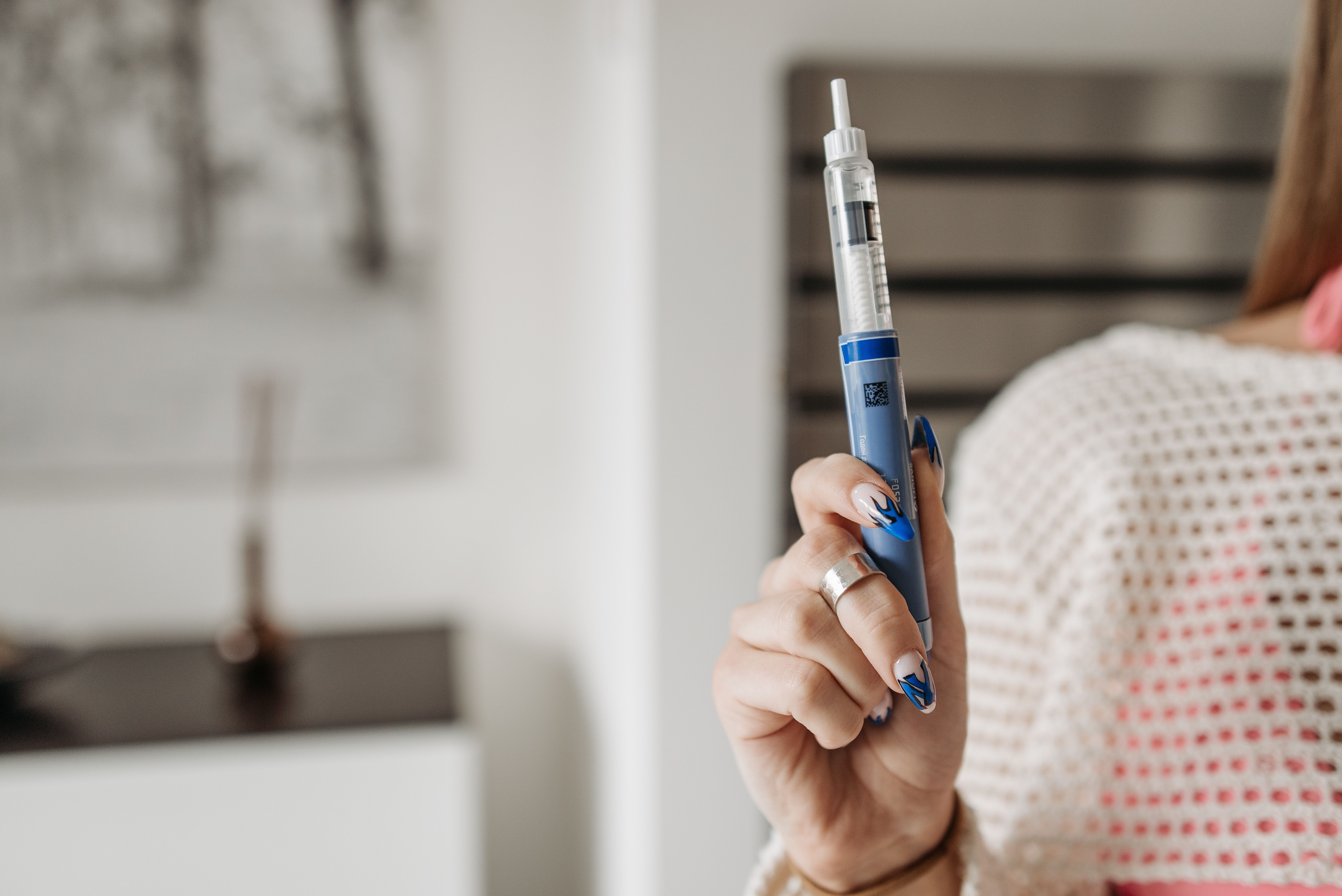
Type-1 diabetes occurs when the pancreas produces little or no insulin. Insulin allows glucose in the blood to enter cells which is then used for energy. People with Type-1 diabetes need insulin every day as part of their treatment.
Dr Dilip Gude, Senior Consultant Physician, Yashoda Hospitals, Hyderabad, explains that a normal blood sugar reading at one point does not necessarily mean that the body has enough insulin overall. Insulin does more than control blood glucose. It also prevents the body from breaking down excessive fat and protein and producing ketones.
This is why stopping insulin simply because blood sugar appears controlled, or because a person is eating less, can be dangerous. The doctor should decide the appropriate combination and dose of long-acting, or basal, and short-acting insulin. "Stopping insulin because a person is eating less or because blood sugar appears controlled can lead to serious complications," said Dr Gude.
Effects Of Stopping Insulin
- Blood sugar can rise: Without enough insulin, glucose cannot enter cells effectively and begins accumulating in the bloodstream. Blood sugar may rise later and can sometimes increase rapidly.
- Excessive thirst and urination: High blood sugar causes the kidneys to remove more glucose through urine. This can lead to frequent urination, intense thirst and dehydration.
- Ketone production increases: When cells cannot use glucose properly because of insufficient insulin, the body starts breaking down fat for energy. This produces ketones, which are acidic substances.
- Diabetic ketoacidosis can develop: Severe insulin deficiency can cause ketones to build up in the blood, making it dangerously acidic. DKA is a potentially life-threatening emergency and is particularly common in people with Type-1 diabetes. Missing insulin doses is a recognised trigger.
- Severe symptoms can appear: Dr Gude said, "Warning signs include excessive thirst, frequent urination, dry mouth, dehydration, weakness, blurred vision, nausea, vomiting, abdominal pain, fruity-smelling breath, deep or rapid breathing, unusual sleepiness and confusion. High blood or urine ketones, along with severe metabolic acidosis, are also important warning signs."
- Long-term organ damage can increase: Repeated or persistent high blood sugar can damage blood vessels and organs. Over time, this can contribute to kidney disease, vision problems, nerve damage and heart-related complications.
Can A Normal Sugar Reading Mean That Insulin Is No Longer Needed?
No, blood glucose is constantly changing and a single reading provides only a snapshot. A person with Type-1 diabetes can have a normal reading at one moment while still needing insulin to maintain metabolic balance. The amount of insulin needed can vary depending on food, illness, physical activity and other factors. However, changes to insulin treatment should be made with guidance from the treating healthcare professional.
Dr Gude said, "Stopping or taking too little insulin is a recognised trigger for DKA. Repeated or persistent high blood sugar can also damage blood vessels and organs, increasing the risk of kidney disease, vision loss, nerve damage and heart disease."
Anyone who has stopped insulin and develops vomiting, abdominal pain, fruity breath, deep breathing, confusion, severe drowsiness or high ketones should seek emergency medical care immediately.
Claims about curing Type-1 diabetes should therefore be approached carefully, particularly when they involve stopping insulin. "Insulin doses should not be stopped, restarted or adjusted without medical advice. The treating doctor should decide the appropriate combination and dose of long- and short-acting insulin," added Dr Gude.
Disclaimer: This content including advice provides generic information only. It is in no way a substitute for a qualified medical opinion. Always consult a specialist or your own doctor for more information. NDTV does not claim responsibility for this information.