

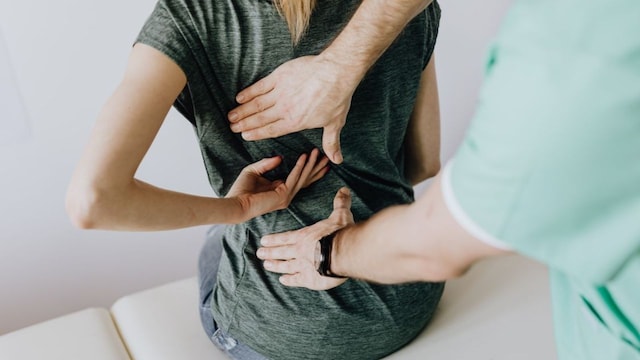
Back pain is one of the most common complaints orthopaedicians encounter in clinical practice. According to orthopaedic specialists, back pain is usually multifactorial, meaning its cause can vary from person to person. It may be related to disc problems, age-related degeneration, muscle sprains or spasms caused by physical activity or sports, weak core muscle strength, poor posture, or certain systemic conditions. One or more of these factors can coexist in the same individual.
How Does Core Muscle Weakness Contribute to Back Pain?
When considered in isolation from other conditions, weak core muscles may contribute to back pain in some patients. The core muscles include the superficial and deep muscles of the abdomen, commonly associated with the six-pack muscles, along with the pelvic muscles, back muscles and diaphragm.
These muscles work together to support the spine, maintain stability and help the body perform everyday movements. When one or more of these muscle groups are weak or have reduced muscle tone, routine activities can begin to cause discomfort or pain.
Movements such as getting up from a sitting position, lifting something from the floor, turning and twisting, or sitting, standing and walking for long durations may become more challenging. Activities that involve bending forward and lifting objects can also feel more troublesome and increase the risk of injury when muscle strength and endurance are inadequate.
The core muscles play an important role in supporting the back during these movements. When their strength and endurance are insufficient, the body may find it more difficult to manage the physical demands of everyday activities.
Why Is It Difficult to Identify the Exact Cause?
In many cases, identifying the precise cause of back pain can be challenging, even after a clinical examination and imaging. Back pain may result from several contributing factors, making it difficult to attribute the symptoms to a single cause.
At the same time, orthopaedic specialists observe that strengthening the core muscles helps reduce back pain in a significant number of people. Improving core strength and endurance can help support everyday movements and may improve back-related symptoms.
What Helps Reduce Back Pain?
A structured exercise protocol tailored to the individual is one of the most important aspects of managing back pain associated with core muscle weakness. The programme should take into account the current severity of the problem, assess the condition of the muscles and then formulate an appropriate exercise plan.
Posture correction is another important consideration. Poor posture can contribute to discomfort during daily activities, so making suitable adjustments to the way a person sits, stands and moves can help manage symptoms.
Exercises such as modified planks, bridges and abdominal bracing can help strengthen the core muscles. However, the choice of exercises and their intensity should be based on the individual's condition and current level of muscle strength.
Modifying activities and practising safe back habits can also help. Paying attention to the way objects are lifted, avoiding unnecessary strain and making appropriate changes to daily routines can reduce the physical stress placed on the back.
Since back pain can have several underlying causes, the management approach should be based on the individual's symptoms and clinical assessment rather than assuming that weak core muscles are always responsible.
The Take-Home Message
Weak core muscles can contribute to back pain in some individuals, particularly when muscle strength and endurance are inadequate for everyday activities. Strengthening the core muscles can help reduce or improve back-related symptoms in many people.
A structured, individualised exercise programme, posture correction, activity modification and safe back practices can all play a role in managing back pain. Understanding the possible contributing factors and addressing them appropriately is important for improving symptoms and maintaining better back function.
(By Dr Sushanth B Mummigatti, Consultant - Orthopaedic & Trauma Surgeon, Manipal Hospital, Goa)
Disclaimer: The opinions expressed within this article are the personal opinions of the author. NDTV is not responsible for the accuracy, completeness, suitability, or validity of any information on this article. All information is provided on an as-is basis. The information, facts or opinions appearing in the article do not reflect the views of NDTV and NDTV does not assume any responsibility or liability for the same.
Disclaimer: The opinions expressed within this article are the personal opinions of the author. NDTV is not responsible for the accuracy, completeness, suitability, or validity of any information on this article. All information is provided on an as-is basis. The information, facts or opinions appearing in the article do not reflect the views of NDTV and NDTV does not assume any responsibility or liability for the same.