

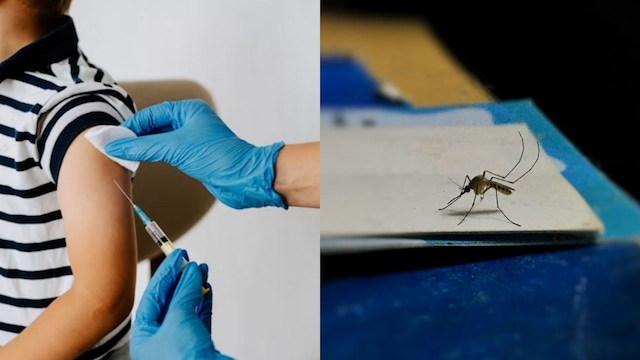
The United States is currently facing challenges from diseases, with measles cases rising sharply and growing concerns about other illnesses linked to environmental changes. According to the US Centers for Disease Control and Prevention (CDC), the country reported 4,080 confirmed measles cases as of October 8, 2026, compared with 2,289 cases during the whole of 2025. The increase has raised questions about vaccination rates, public health preparedness and other factors that allow infectious diseases to spread.
Vaccine skepticism can leave communities vulnerable to preventable infections, and on the other hand, climate change can also lead to the spread of certain diseases by changing temperatures, rainfall patterns and the habitats of disease-carrying insects. However, these outbreaks do not have a single cause.
Measles spreads mainly from person to person through the air, while dengue is transmitted through the bites of infected mosquitoes. The reasons behind their spread are therefore different. Lower vaccination coverage and international travel can lead to measles outbreaks, whereas warmer conditions and changes in rainfall patterns can affect mosquito populations and increase the risk of mosquito-borne diseases. Here are the reasons that's driving the current outbreaks, how climate change and vaccine hesitancy may contribute, and what other outbreaks people should know about.
Why Are Measles Cases Rising In The US?
The CDC reported 4,080 confirmed measles cases across 47 US jurisdictions as of October 8, 2026. It also recorded 42 new outbreaks during the year, with 96% of confirmed cases linked to outbreaks. In comparison, the country reported 285 cases in 2024 and 2,289 in 2025. These numbers highlight that there has been a substantial increase in measles cases. One major factor for this surge is the declining vaccination coverage. The proportion of US kindergarteners vaccinated against measles, mumps and rubella (MMR) fell from 95.2% in the 2019-2020 school year to 92.4% in 2025-2026. The CDC recommends vaccination coverage of at least 95% to help protect communities through herd immunity.
Measles is highly contagious and can spread when an infected person coughs or sneezes. Vaccine misinformation, concerns about side effects and distrust of health authorities can lead to vaccine hesitancy, although not every unvaccinated person has refused vaccination. According to the CDC, 95% of reported measles cases in 2026 included people who were unvaccinated or whose vaccination status was unknown.
Can Climate Change Increase The Risk Of Dengue?
Climate change can impact the spread of dengue, but it is not the only factor responsible for outbreaks. Dengue is a viral infection transmitted by infected Aedes mosquitoes. These mosquitoes breed in containers and other places where water collects, including discarded tyres, buckets and uncovered water storage vessels. Warmer temperatures can affect mosquito survival, and breeding. In some locations, higher temperatures and changing rainfall patterns can create conditions that favour mosquito activity for longer periods. Heavy rainfall may leave standing water, while drought can encourage people to store water in open containers, which eventually creates breeding grounds.
However, dengue transmission also depends on sanitation, water management, urbanisation, mosquito control, population movement and the presence of the virus in a community. Climate change can increase the risk in some areas, but it does not automatically cause an outbreak.
How Can These Outbreaks Be Prevented?
Vaccination remains one of the most effective ways to prevent measles. People should check their vaccination records and consult a healthcare professional if they are unsure whether they have received their MMR doses. Children and adults who are not fully vaccinated should seek medical advice, particularly before international travel.
For dengue prevention, people should remove standing water, cover water storage containers, use mosquito repellents and wear clothing that covers exposed skin. Window screens and other mosquito-control measures can also help reduce bites.
Public health authorities must also strengthen disease surveillance, investigate outbreaks quickly, share accurate information and improve access to preventive healthcare. Climate adaptation measures, better drainage and reliable water management can help reduce some mosquito-breeding risks.
The rise in measles cases highlights the importance of maintaining vaccination coverage. On the other hand, dengue prevention needs attention to mosquitoes and environmental conditions. Climate change and vaccine skepticism can contribute to public health challenges, but they affect different diseases in different ways. Timely vaccination, effective mosquito control and strong public health systems are essential to prevent outbreaks.
Disclaimer: This content including advice provides generic information only. It is in no way a substitute for a qualified medical opinion. Always consult a specialist or your own doctor for more information. NDTV does not claim responsibility for this information.