






- Kate Middleton reduced alcohol intake after cancer diagnosis and remission in 2024-25
- Alcohol is a Group 1 carcinogen linked to seven cancer types including breast and liver
- Doctors advise caution as alcohol impairs immunity and may increase secondary cancer risk
When the Princess of Wales Kate Middleton recently revealed she had significantly reduced alcohol consumption following her cancer diagnosis and remission, it reignited a critical health conversation: Should cancer survivors avoid alcohol altogether? Reports indicate that after undergoing treatment in 2024 and entering remission in 2025, the Princess of Wales has become "more conscious" of her alcohol intake, choosing to limit consumption as part of her recovery journey. In fact, during a recent visit to London's Bermondsey Beer Mile with her husband, Prince William, Kate reportedly tried everything from pouring a pint to understanding craft beer production, but refrained from actual beer tasting. Her decision reflects growing medical awareness about the link between alcohol and cancer. Alcohol is classified as a Group 1 carcinogen, meaning it is known to cause cancer in humans.
But what about people like Kate Middleton and King Charles, who are already in remission? Does drinking alcohol increase the risk of cancer returning, or developing a second cancer?
Experts say the answer is complex. While evidence on recurrence varies depending on cancer type, there is strong consensus that alcohol can increase overall cancer risk and may negatively affect long-term outcomes in survivors. Understanding these risks is crucial for making informed lifestyle choices after cancer treatment.
How Alcohol Affects The Body And Cancer Risk
Alcohol impacts the body at a cellular level in ways that can promote cancer development. When consumed, alcohol is broken down into acetaldehyde, a toxic chemical that can damage DNA and interfere with the body's ability to repair cells. Over time, this damage can lead to mutations that increase cancer risk.
According to global health agencies like the World Health Organization (WHO):
- Alcohol is linked to at least seven types of cancer, including breast, liver, bowel and throat cancers
- Risk increases with higher consumption, but even low levels of drinking can contribute
This means that even occasional drinking is not completely risk-free.
Also Read: Ed Sheeran's Wife, Cherry Seaborn, Had Cancer During Pregnancy: How Regular Health Screenings Matter
Alcohol And Cancer Recurrence: What Does The Evidence Say?
One of the biggest concerns for survivors is whether alcohol increases the risk of cancer coming back. The evidence varies:
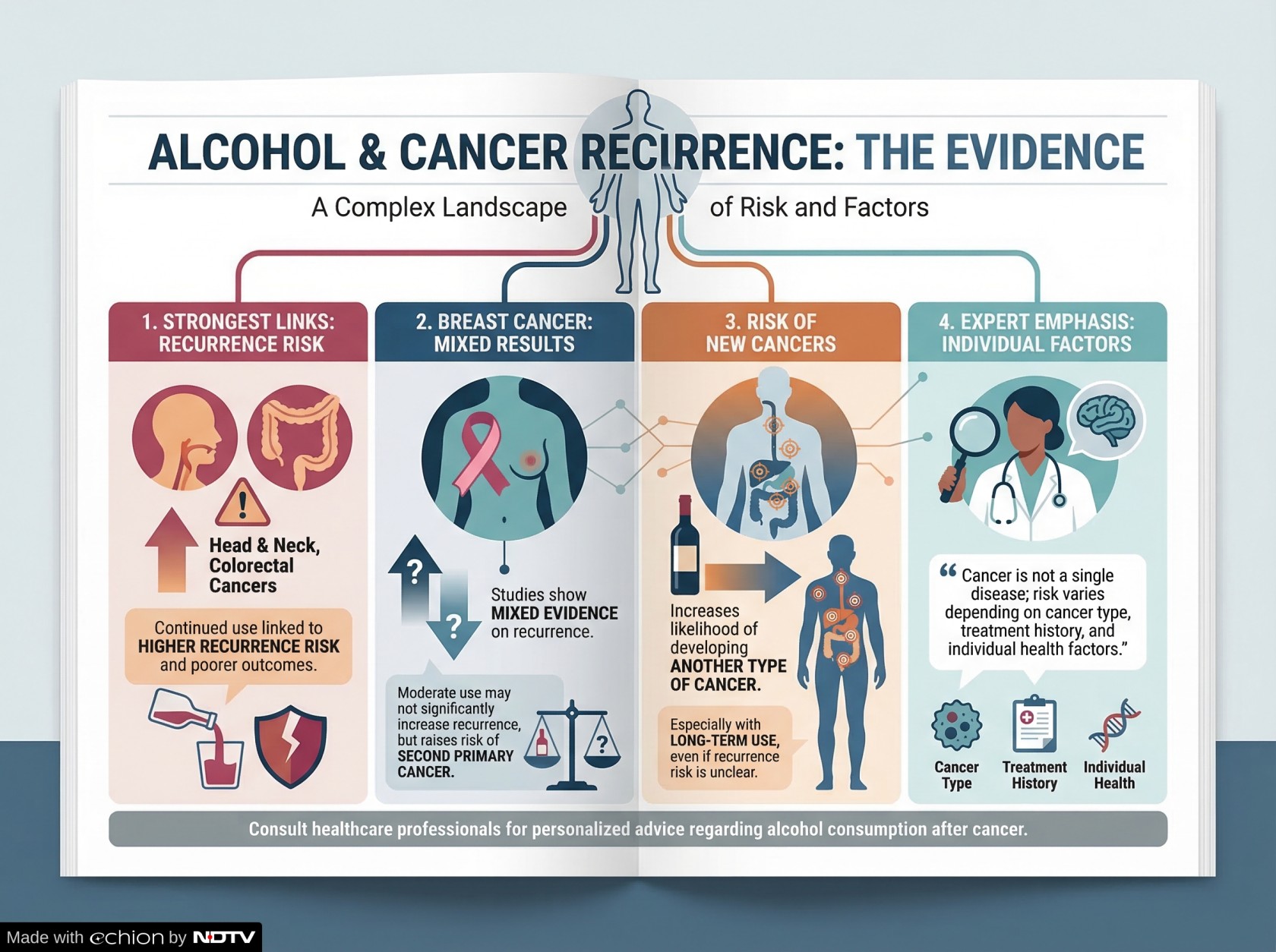
1. Some Cancers Show Stronger Links
Research suggests alcohol may increase the risk of recurrence or progression in certain cancers, particularly:
- Head and neck cancers
- Colorectal cancers
In these cases, continued alcohol use has been linked to higher recurrence risk and poorer outcomes.
2. Mixed Evidence In Breast Cancer
For breast cancer survivors, studies have shown mixed results. Some research suggests moderate alcohol may not significantly increase recurrence risk, but it can still raise the risk of developing a second primary cancer.
3. Increased Risk Of New Cancers
Even if recurrence risk is unclear, alcohol can increase the likelihood of developing another type of cancer, especially with long-term use. Experts emphasise that cancer is not a single disease, risk varies depending on cancer type, treatment history and individual health factors.
Why Doctors Advise Caution After Remission
Most oncologists recommend limiting or avoiding alcohol after cancer treatment, not necessarily because it guarantees recurrence, but because it adds avoidable risk.
Key concerns include:
- Increased Risk Of Secondary Cancers: Alcohol exposure continues to damage cells, increasing the risk of new cancers, especially in organs already affected.
- Weakened Recovery And Immunity: Alcohol can impair immune function and slow the body's recovery process after intensive treatments like chemotherapy.
- Interaction With Medications: Some cancer survivors continue long-term medications, which may interact negatively with alcohol.
- Lifestyle Compounding Effects: Alcohol is often linked with other risk factors such as poor diet and smoking, further increasing cancer risk.
According to the U.S. Centers for Disease Control and Prevention (CDC), reducing or eliminating alcohol intake can help lower overall cancer risk.
Is There A Safe Level Of Alcohol After Cancer?
This remains one of the most debated questions. Some experts suggest that occasional, light drinking may be acceptable for certain survivors, depending on cancer type and overall health. However, others argue that no level of alcohol can be considered completely safe. The World Health Organization (WHO) has stated that there is no safe level of alcohol consumption when it comes to cancer risk. This has led many doctors to adopt a precautionary approach, especially for high-risk individuals.
Factors That Influence Risk
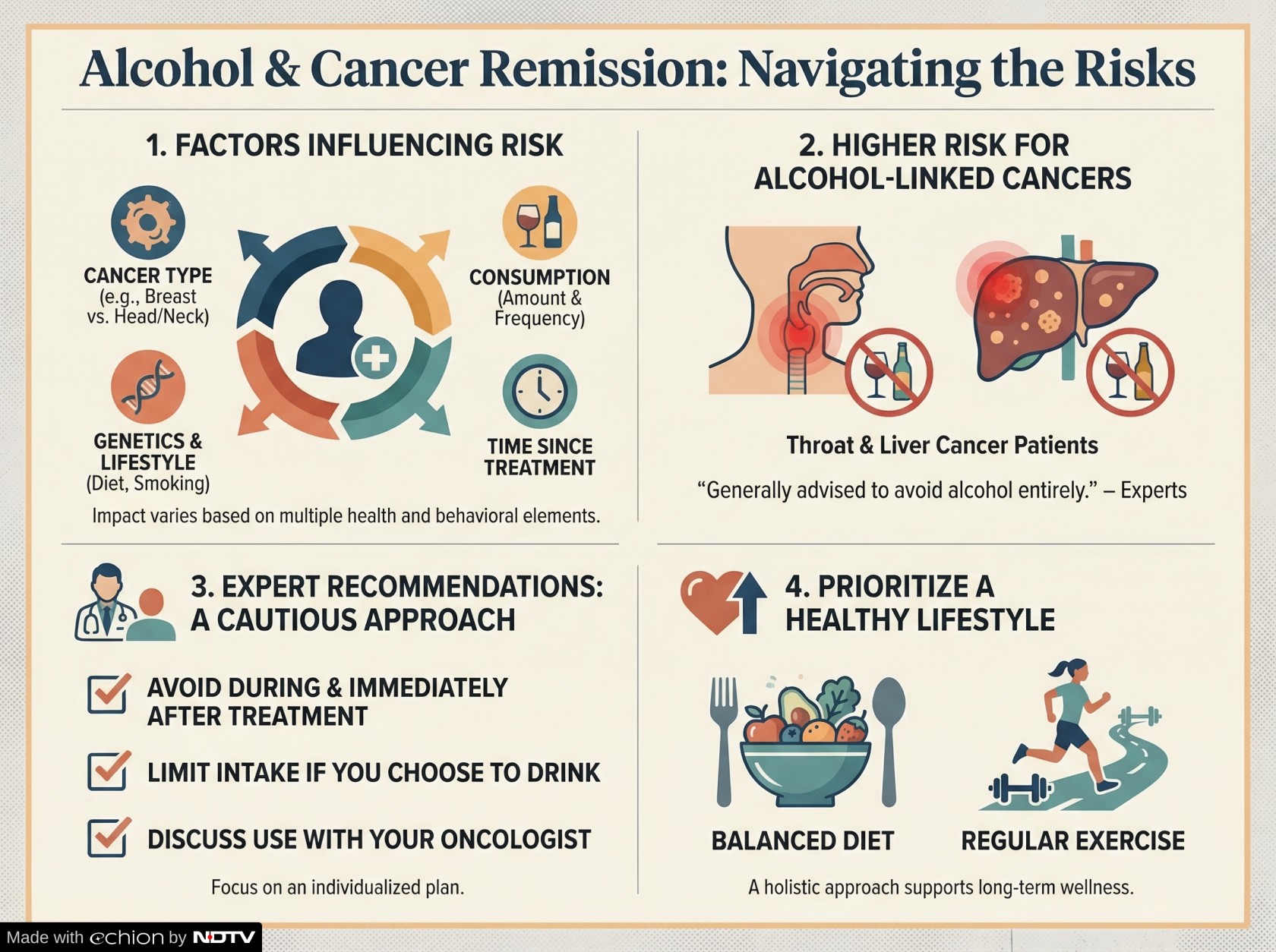
The impact of alcohol after cancer remission depends on several factors:
- Type of cancer (e.g., breast vs head and neck cancers)
- Amount and frequency of alcohol consumption
- Genetic predisposition
- Lifestyle factors such as diet and smoking
- Time since treatment completion
For example, individuals with cancers linked to alcohol, such as throat or liver cancer, are generally advised to avoid alcohol entirely.
What Experts Recommend
Most cancer guidelines suggest a cautious, individualised approach:
- Avoid alcohol during and immediately after treatment
- Limit intake if you choose to drink
- Discuss alcohol use with your oncologist
- Prioritise a healthy lifestyle, including diet and exercise
For many survivors, reducing or eliminating alcohol, like Kate Middleton, is seen as a proactive step toward long-term health.
The growing conversation around alcohol and cancer, sparked in part by public figures speaking openly about lifestyle changes, highlights an important truth: Recovery does not end with remission. While the exact relationship between alcohol and cancer recurrence varies, the evidence is clear that alcohol increases overall cancer risk and may affect long-term outcomes.
For cancer survivors, the safest approach may be moderation, or complete avoidance, guided by medical advice. As research continues to evolve, one message remains consistent: Informed choices can play a powerful role in protecting long-term health after cancer.
Disclaimer: This content including advice provides generic information only. It is in no way a substitute for a qualified medical opinion. Always consult a specialist or your own doctor for more information. NDTV does not claim responsibility for this information.
Track Latest News Live on NDTV.com and get news updates from India and around the world

