

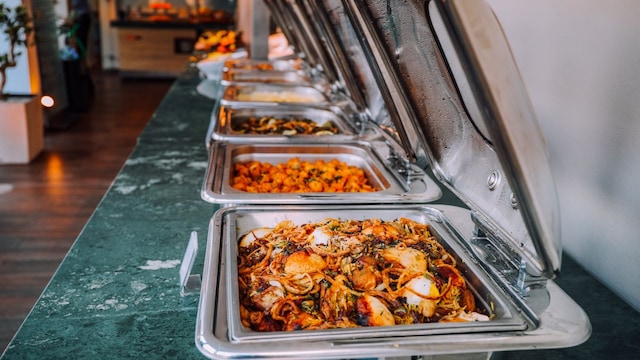
Eating out can make it difficult to make healthy decisions, whether it's at a wedding reception, an office party or when buying airport food. As a doctor, I want to highlight foods that require special attention, the importance of food safety, and how to enjoy social events without risking your health.
Food selection is often convenience-driven at airports, office parties and weddings. You might grab a sandwich before boarding a plane, try out a few samples at a wedding reception or just take a bite at a company party. Eating out occasionally isn't necessarily bad for you. However, if food is not properly handled, serving sizes are too large, or items contain excessive salt, sugar and saturated fat, this can have a negative impact on health.
As a doctor, I am especially mindful of food safety, freshness and nutritional balance. It is not about eliminating favourite dishes; it's about making informed choices.
1. Airport food: What deserves a second look?
- Sandwiches stored at unsafe temperatures: Chicken and egg sandwiches are easy to make, and mayonnaise sandwiches are safe to prepare and store if handled carefully.
- Temperature control: The Food and Drug Administration (FDA) recommends that refrigerated foods be stored at 4 degrees Celsius or below. Perishable food items should not be kept at room temperature for more than 2 hours (or 1 hour if the temperature is above 32 degrees Celsius).
What I would do:
- Buy fresh food from a reputable vendor.
- Make sure chilled foods have been kept at the correct temperature.
- Use an insulated bag with ice packs to transport perishable foods that need to be kept cool.
- Limit fried snacks and sugary beverages: The World Health Organization (WHO) suggests limiting free sugars to less than 10% of daily calorie intake, and ideally reducing it to 5%. Drink water or unsweetened beverages if available, or choose a balanced snack.
2. Wedding buffets: Beware of food safety risks
While wedding buffets offer great variety, food can become vulnerable to harmful bacteria when left at unsafe temperatures. Contaminated food does not necessarily look or smell any different.
Be cautious with:
- Leftover dairy products (e.g., puddings) that have been left unrefrigerated for long periods.
- Raw salads or pre-cut fruit from unknown sources.
- Food that has come into contact with unclean utensils or undergone excessive handling.
The Food Safety and Standards Authority of India (FSSAI) provides directions on safe food handling and hygiene. Selecting a well-managed venue will minimise risks, though no venue is guaranteed to be entirely risk-free.
My tactic: Take a walk around the buffet before you load up your plate. Select foods you truly enjoy, add some vegetables and protein, and savour your meal. You don't have to sample every single dessert.
READ | Bloating After Celebrations? Nutritionist Recommends This Simple Fibre Hack
3. Office social events: Don't forget, little bites add up!
- Pakoras, spring rolls and fried chicken can be high in calories, depending on portion size and preparation methods. They can be enjoyed as a treat now and then, but not every day.
- Processed meats like sausages and salami, as well as heavily salted crisps, also contribute to excessive sodium intake. The WHO recommends a daily sodium intake of <2,000 mg/day, which equates to less than 5 g of salt per day for adults.
Here are some easy-to-follow tips:
- Select a couple of the appetisers you love the most.
- Where possible, include lighter options.
- Limit extra portions of salty snacks.
- Pause before taking seconds and ask yourself if you are genuinely still hungry.
- Socialising doesn't mean eating continuously just for the sake of it.
How about mayonnaise, creamy desserts and leftovers?
Don't assume that mayonnaise is inherently unsafe. The primary concern is whether the ingredients have been properly handled and stored, especially when incorporated into a dish containing eggs, meat or other perishable items.
The same applies to creamy desserts - they are safe when prepared and refrigerated correctly. However, when perishable foods are exposed to temperatures outside their safe range for an extended period, the risk increases.
Cool leftovers quickly (within two hours) and reheat them thoroughly until piping hot. If you are unsure whether an item has been stored safely, do not eat it.
Foodborne illnesses can cause more serious complications in pregnant women, older adults, young children and individuals with compromised immune systems.
READ | Your Mithai Box Has A Secret: Which Diwali Sweet Is Actually The Lesser Evil?
A checklist for eating out
When selecting food at an airport, a wedding or an office gathering, keep these tips in mind:
- Check the temperature: Ensure food is served at the appropriate temperature (piping hot or properly chilled).
- Focus on hygiene: Look for sanitary service facilities and safe food preparation practices.
- Eat a balanced meal: Include vegetables, fruit, whole grains and protein where possible.
- Stay mindful of extras: Sweets, rich sauces and frequent appetisers quickly add up.
- Drink plenty of water: Stay hydrated, especially when travelling.
- Avoid over-restricting: Don't skip meals prior to social events, and refrain from attempting to make up for indulgence with crash diets afterwards.
Ultimately, I am most cautious about perishable foods that have not been kept at the correct temperature, foods from unknown sources, and frequently eating items that are fried, salty or sugary. Labelling an entire category of food as off-limits is far less important than prioritizing freshness, safe handling and moderation.
(By Dr. Kapil Kumar Kursiwal, Senior Consultant - GI Surgery & GI Oncology, Dharamshila Narayana Superspeciality Hospital, Delhi)
Disclaimer: The opinions expressed within this article are the personal opinions of the author. NDTV is not responsible for the accuracy, completeness, suitability, or validity of any information on this article. All information is provided on an as-is basis. The information, facts or opinions appearing in the article do not reflect the views of NDTV and NDTV does not assume any responsibility or liability for the same.