

)
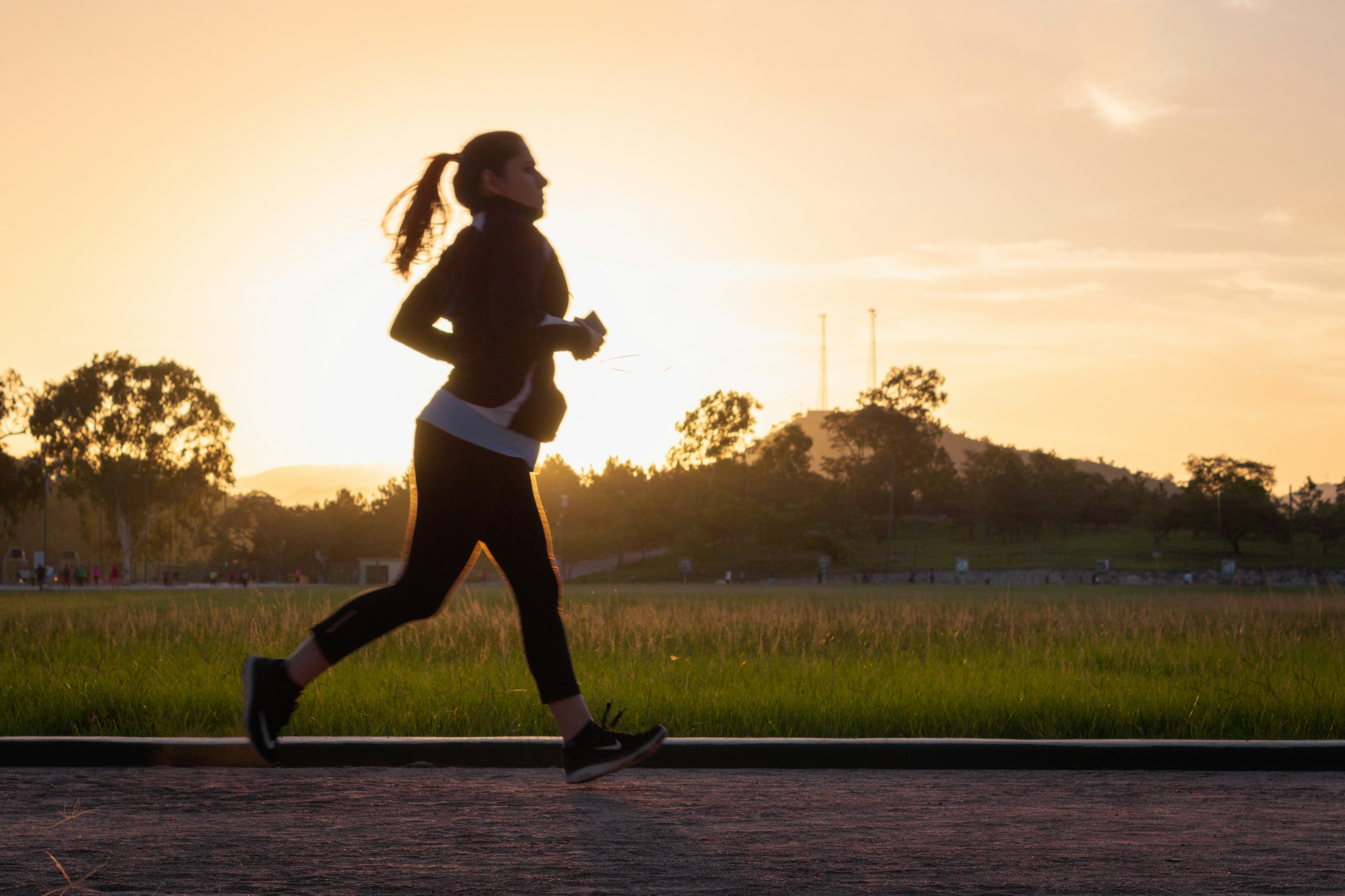
We all know walking is the simplest form of exercise. Researchers who looked at physical activity and sleep found that regular walking is associated with better sleep quality, fewer night awakenings and improved sleep efficiency. In other words: consistent gentle activity helps you fall asleep faster and stay asleep. The key is intensity like brisk, high-intensity workouts within an hour before bed can raise adrenaline and body temperature and make sleep harder; moderate-paced walking usually doesn't. Physiologically, walking after a meal helps muscles use up the glucose circulating in blood, which blunts post-meal sugar spikes which is useful for people with glucose intolerance. Multiple studies show short bouts of even just 10–15 minutes after meals can improve 24-hour glycemic control better than doing one long walk at some other time of day. Keep reading as we share health issues that could benefit from you walking before bed.
Health issues that could benefit from a walk before bed
1. Poor sleep quality
Gentle walking helps regulate the sleep–wake cycle and reduces time awake at night. Studies evaluating evening, moderate exercise report improved sleep onset and deeper sleep for many adults especially if the walk is relaxed and not a sprint.
2. High post-meal blood sugar
A 10–15 minute walk after dinner helps muscles soak up glucose, lowering spikes. Trials in older adults at risk for glucose intolerance showed that short post-meal walks improved 24-hour glucose control. This is a small habit with strong metabolic impact.
3. High blood pressure
Evening aerobic activity can produce a meaningful blood-pressure reduction in some people, possibly more so than morning exercise. Short, regular evening walks may be a simple addition to medicines and diet for people tracking blood pressure but always check with your doctor first.
4. Mild depression and low mood
Walking releases endorphins, improves sleep and provides a low-barrier social/activity cue. Recent reviews show walking reduces depressive symptoms; evening walks can be especially calming after a stressful day. Even small changes like 5,000–7,000 steps were linked with mood improvement in large population studies.
5. Anxiety & nervous energy before bed
A slow, mindful walk lowers adrenaline and gives the brain time to downshift. Pair it with deep breathing and you get a small nightly ritual that signals “winding down” to your nervous system.
6. Acid reflux or indigestion after a heavy dinner
Gentle movement helps food transit and reduces post-meal bloating. A calm 10–20 minute walk after a big meal can ease reflux or the uncomfortable fullness that sometimes keeps people awake. Avoid lying down immediately.
7. Constipation or slow digestion
Walking stimulates intestinal motility. Regular post-meal walks are an old digestive trick and modern studies back that movement helps bowel transit time.
A short, calm walk before bed is an easy, low-cost habit with real evidence behind it: it can help sleep for many people, blunt post-meal blood sugar spikes, reduce blood pressure acutely, lift mood, and aid digestion. It's not a miracle cure, but for a large number of everyday problems it's a friendly, research-backed nudge in the right direction.
Disclaimer: This content including advice provides generic information only. It is in no way a substitute for a qualified medical opinion. Always consult a specialist or your doctor for more information. NDTV does not claim responsibility for this information.
References
Walk to a Better Night of Sleep: Testing the Relationship Between Physical Activity and Sleep Quality — NCBI — 2019.
Three 15-min Bouts of Moderate Postmeal Walking Versus 45 Min of Sustained Walking: effects on 24-h glycemic control — NCBI — 2013.
Morning versus Evening Aerobic Training Effects on Blood Pressure in Treated Hypertensives — NCBI — 2019.
Association between blood pressure and circadian timing of physical activity: exercising in the evening may have greater hypotensive effect — NCBI — 2022.
The Effect of Walking on Depressive and Anxiety Symptoms: systematic and empirical findings — JMIR Public Health — 2024.
Does exercising at night affect sleep? (Review of evidence) — Harvard Health Publishing — 2024.
Walking After Meals: Small Habit, Big Metabolic Gains (reviews and commentary on post-meal walking studies) — News-Medical / literature synthesis — 2025.
Effect of exercise for depression: systematic review and meta-analysis — BMJ — 2024.